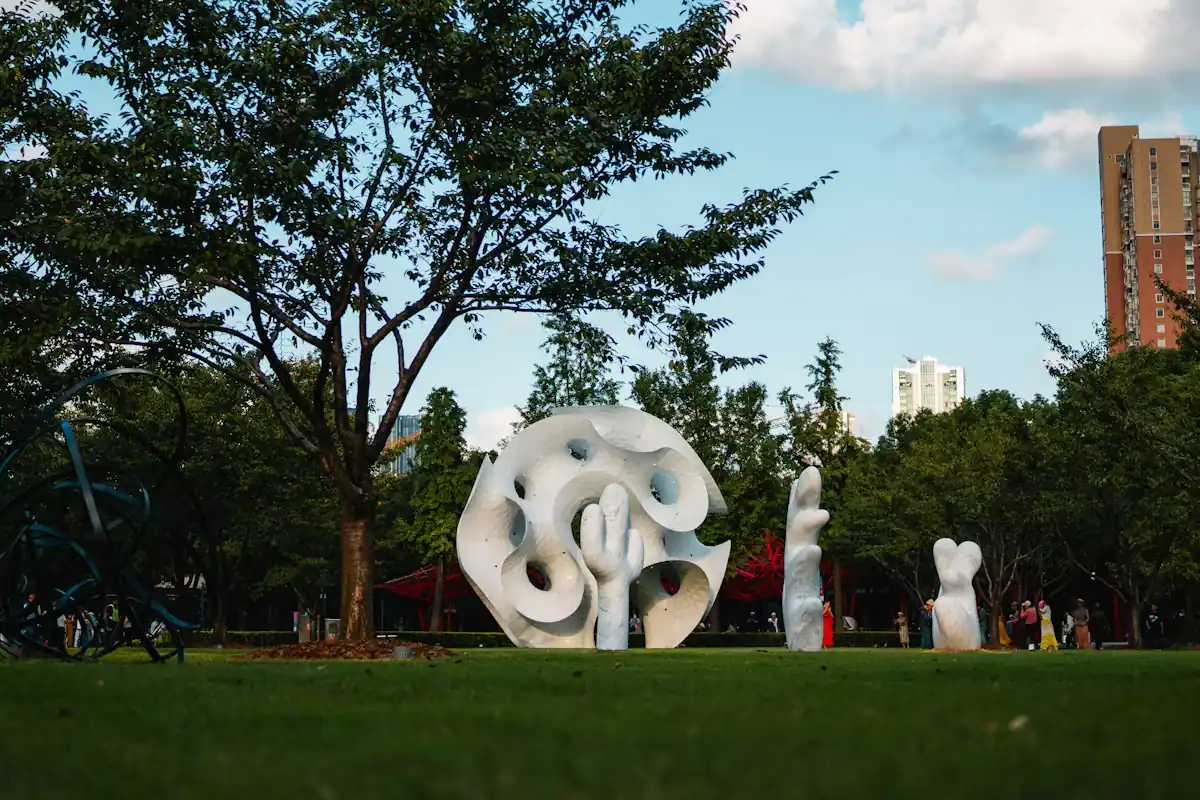
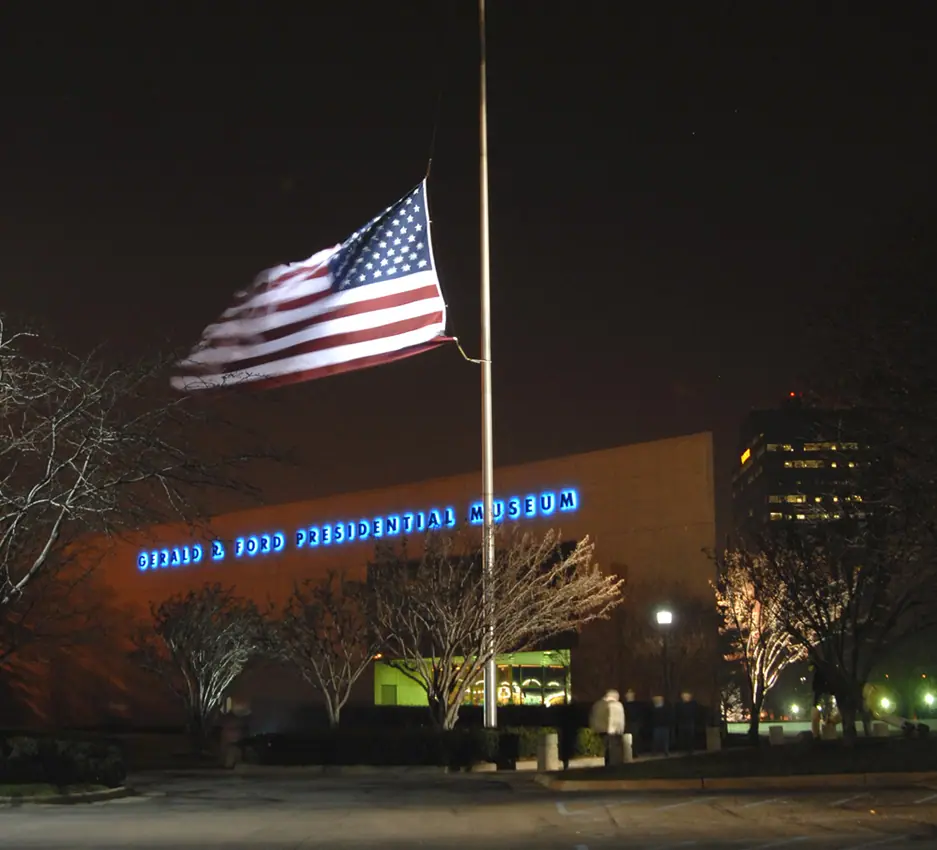
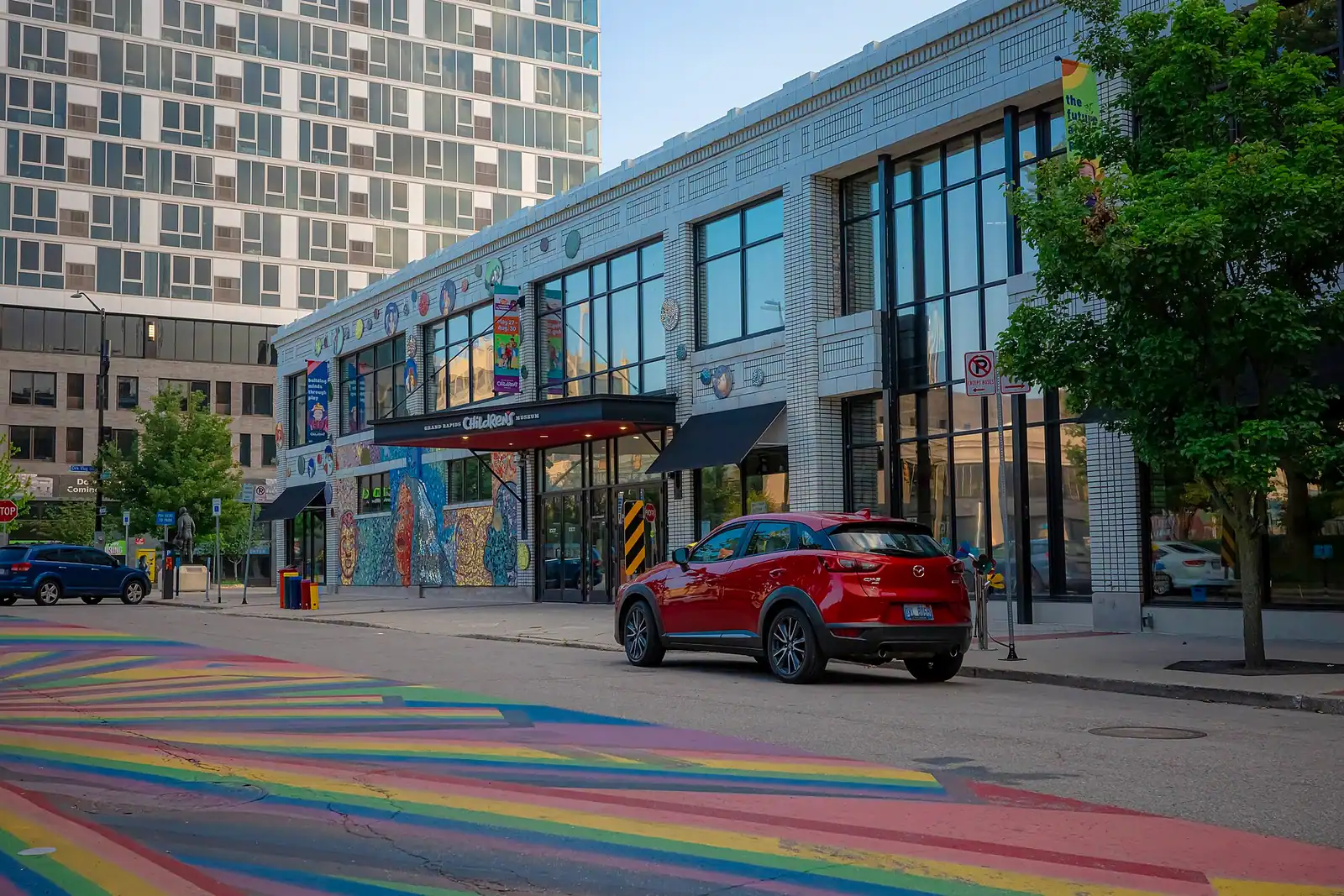
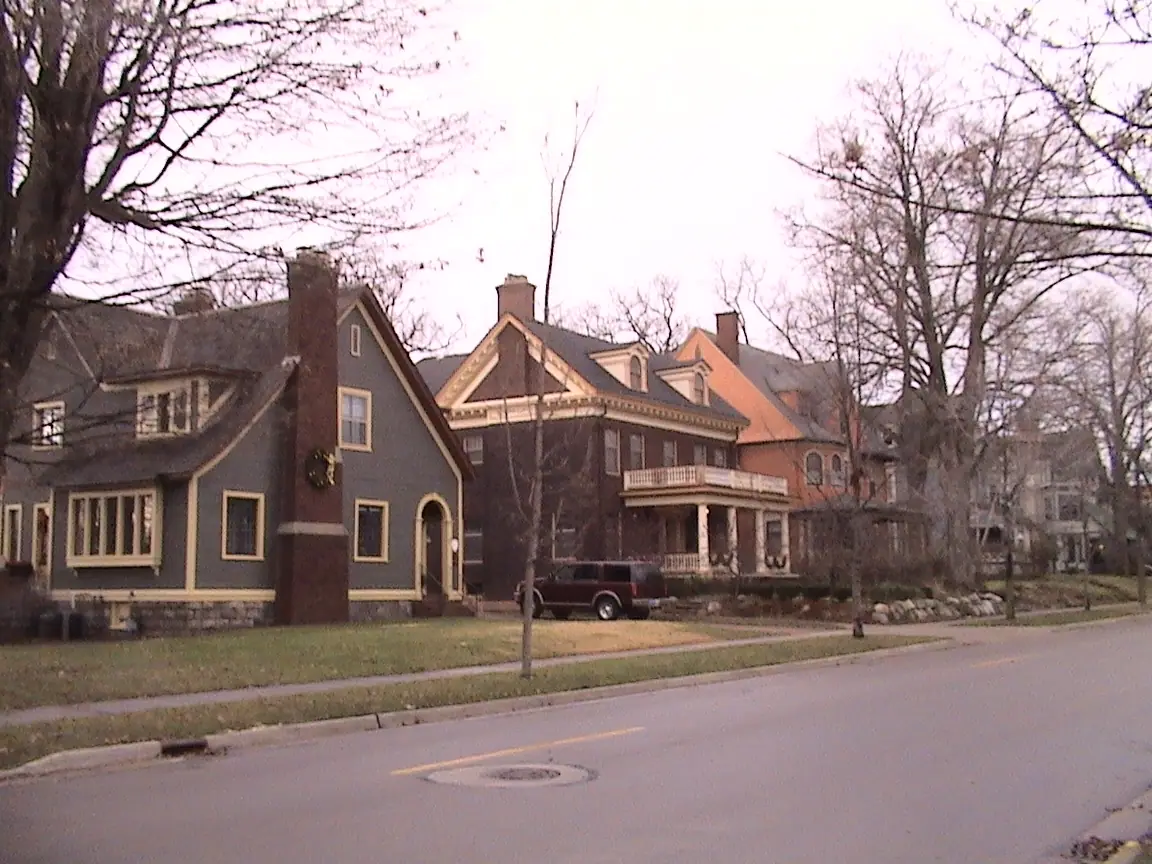
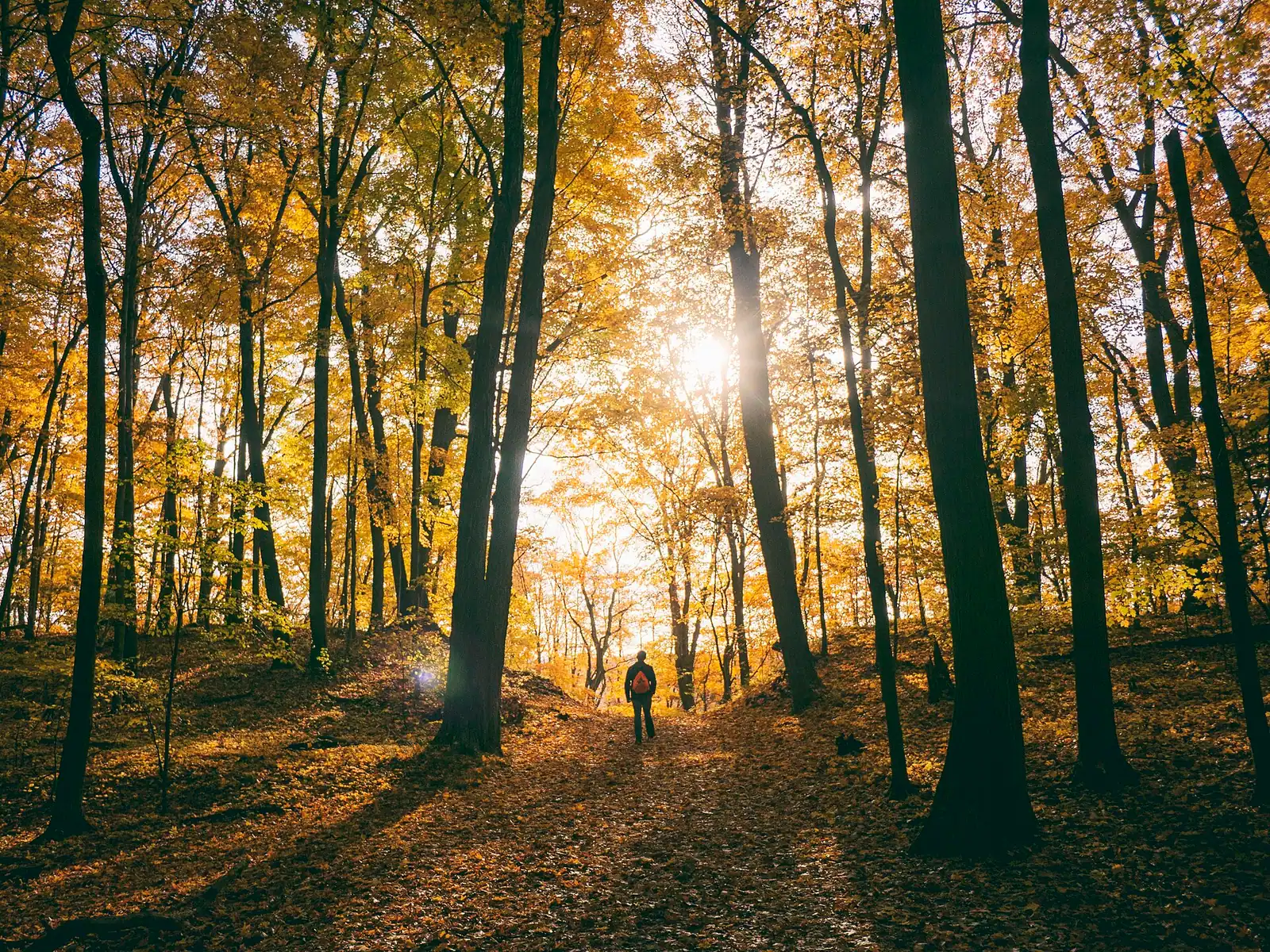
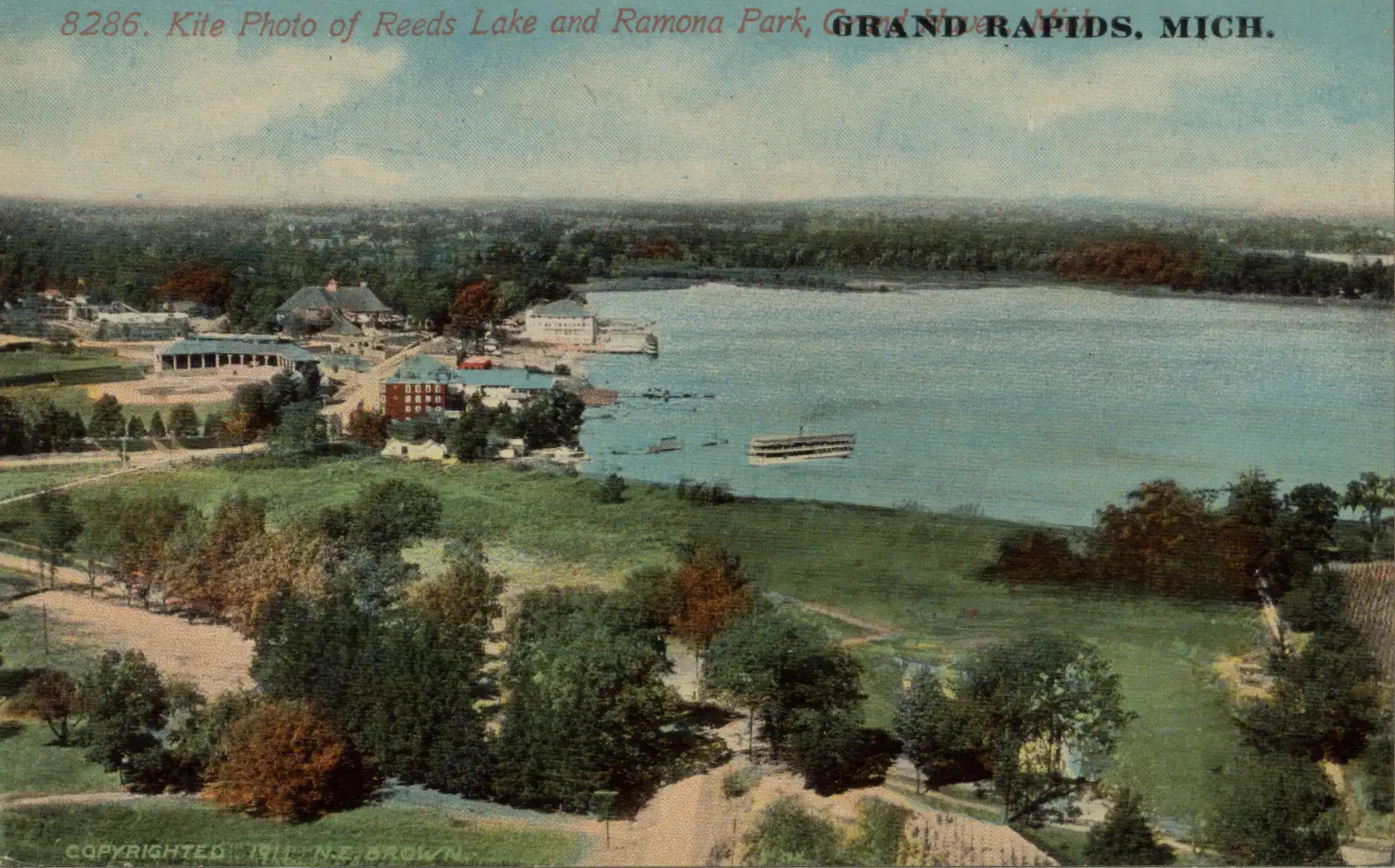
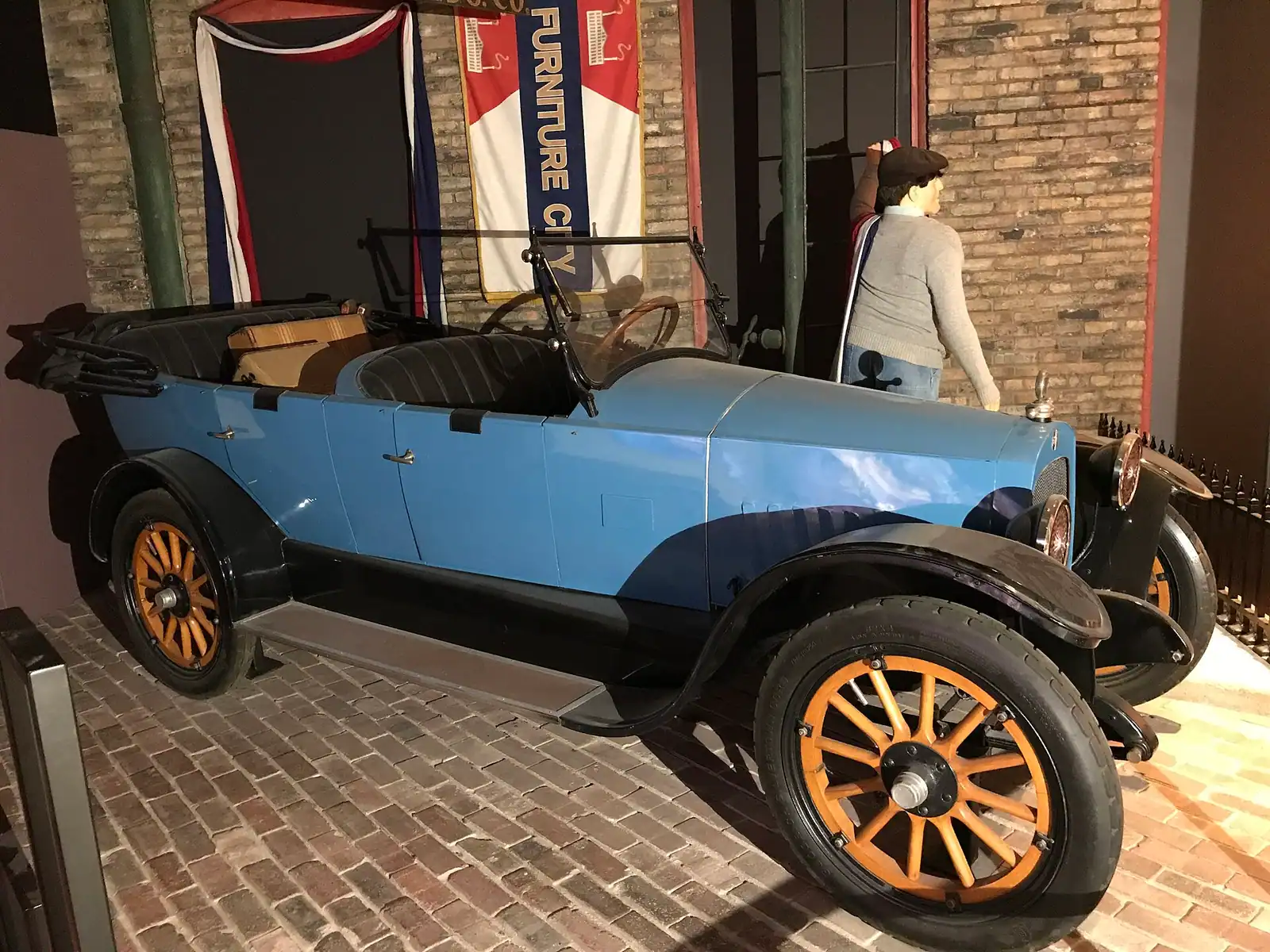
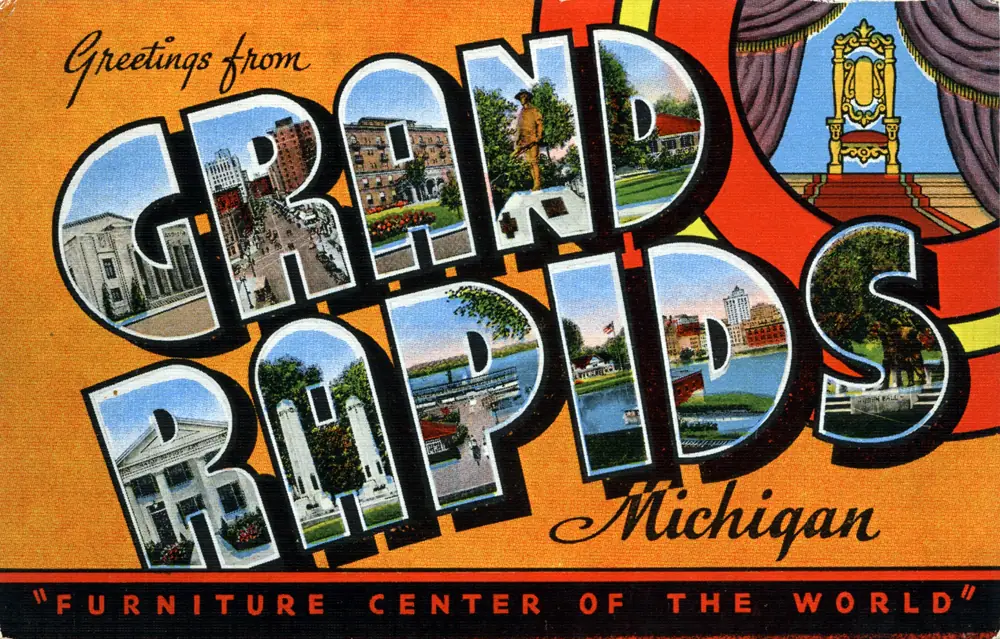
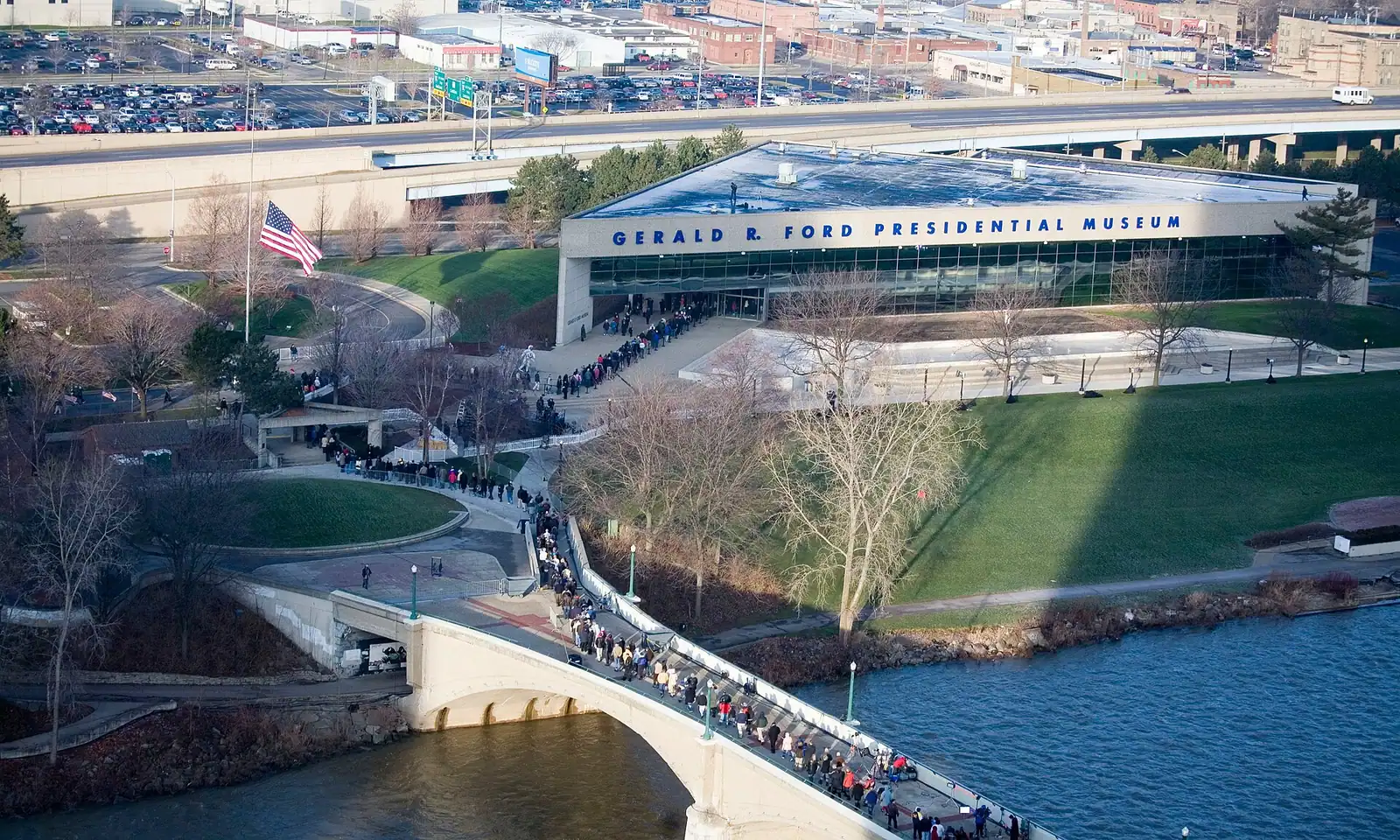
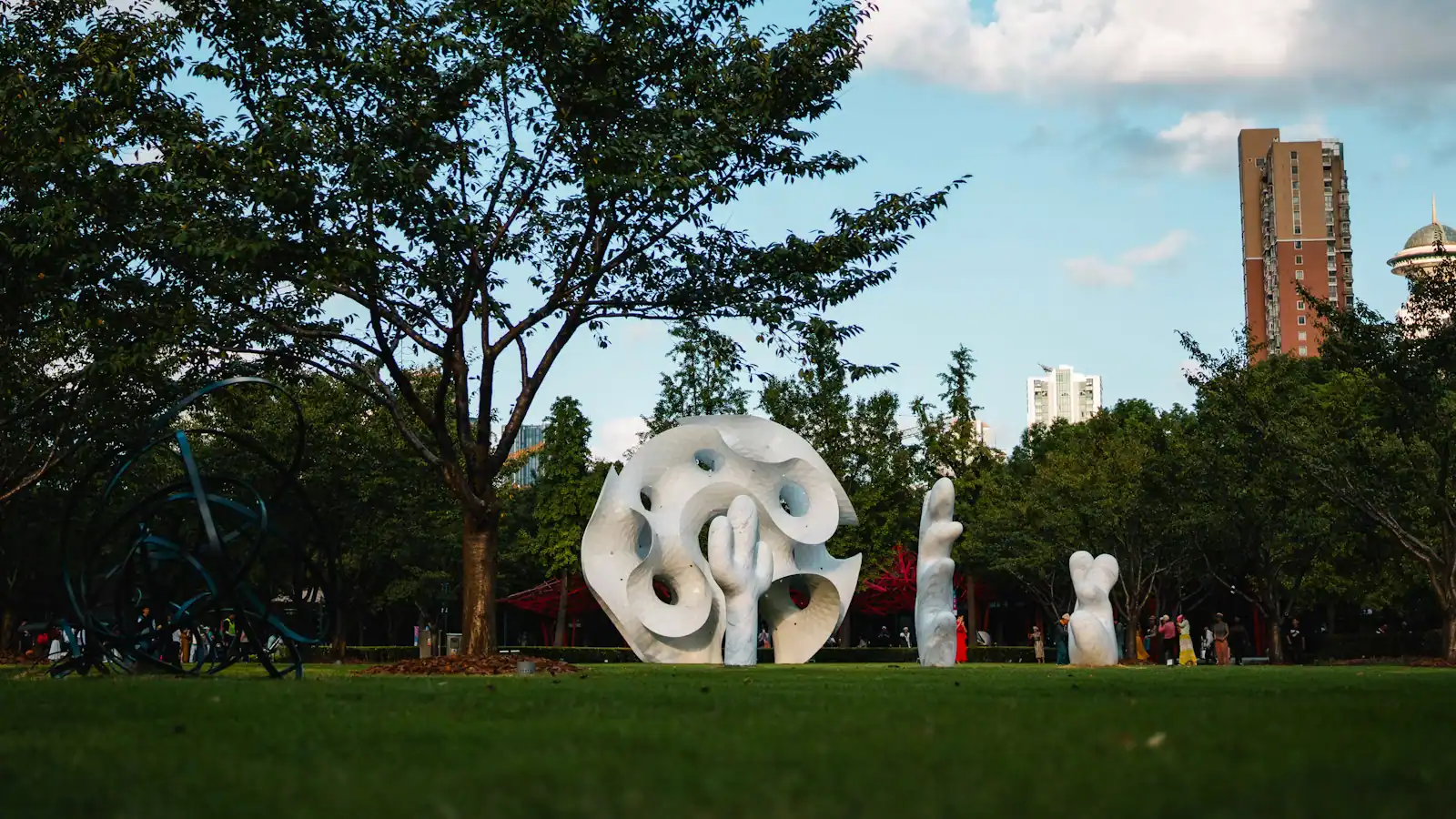
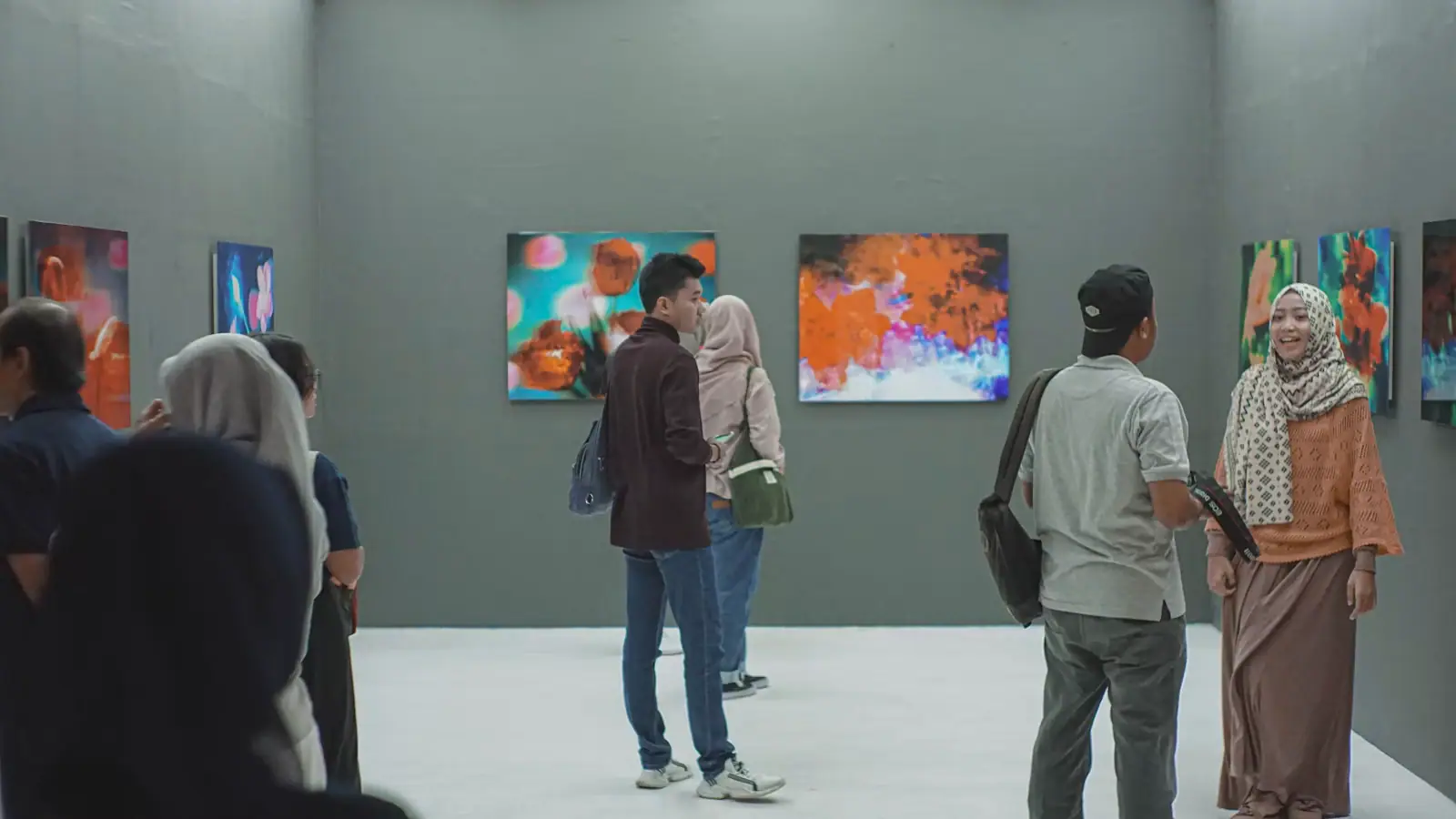
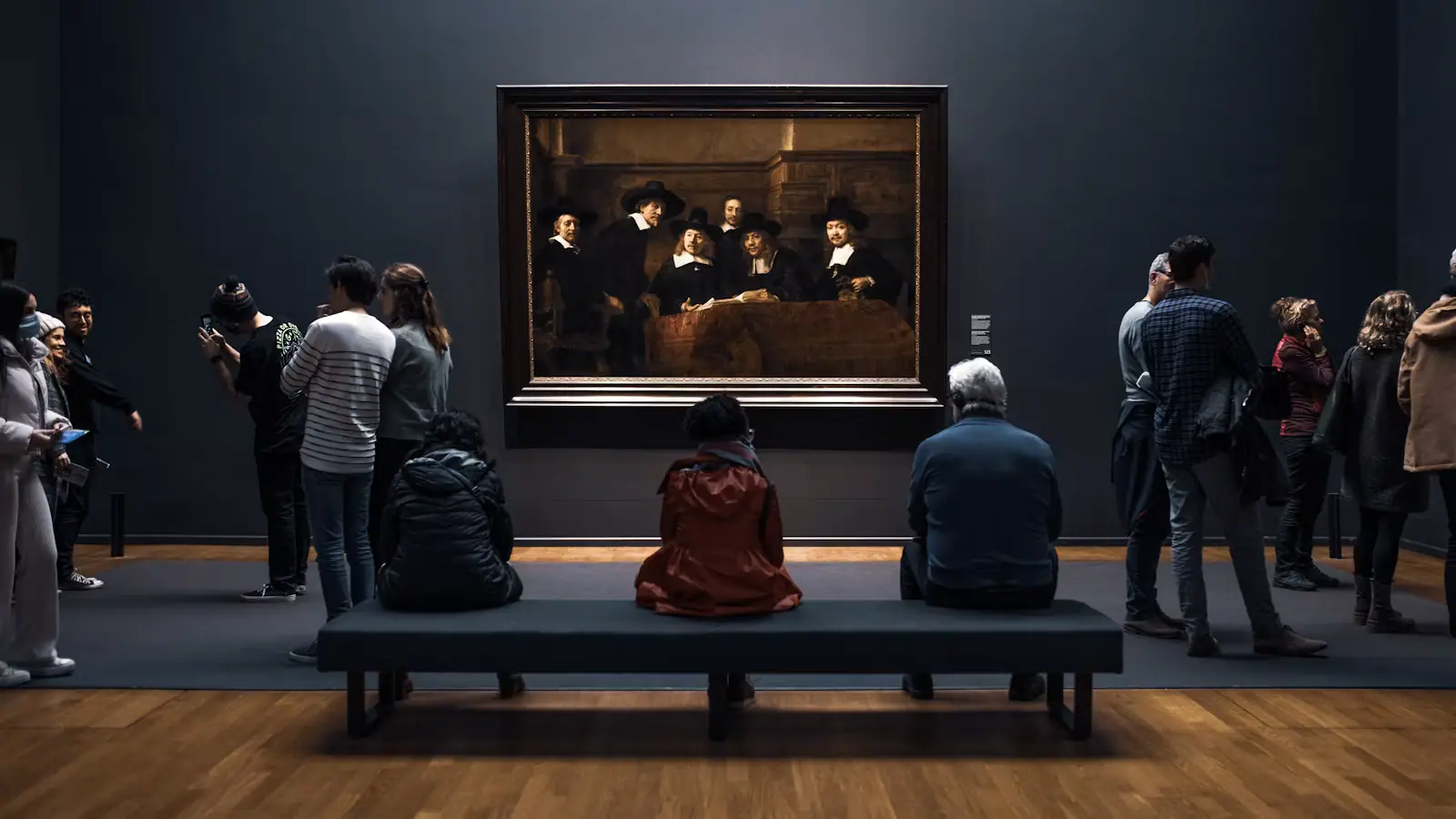
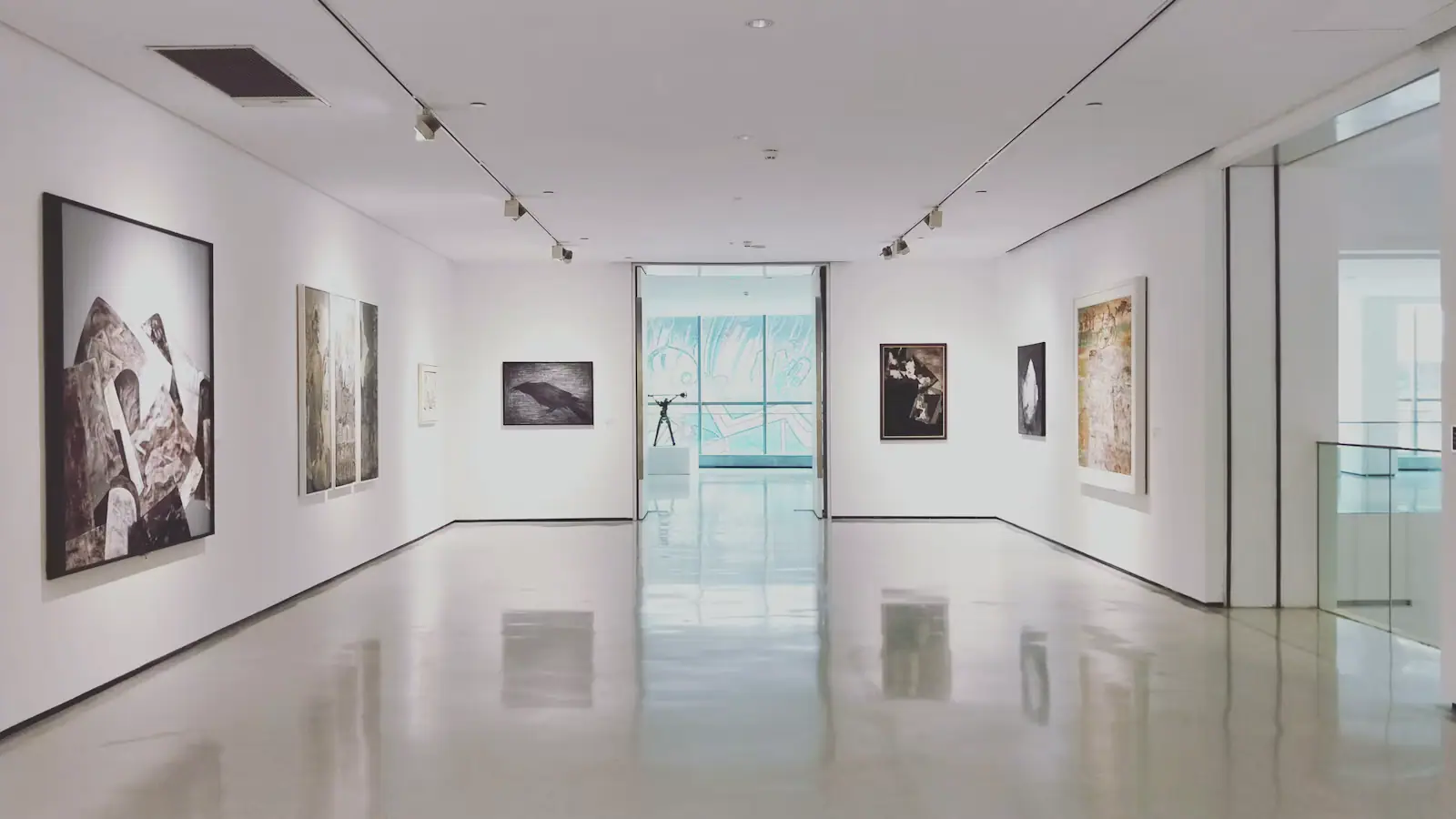
Furniture paid for this city, and then it paid for everything worth coming to see in it. That is the single idea a visitor needs. Grand Rapids made its name at the Philadelphia Centennial Exposition of 1876, where cabinet firms from a river town in west Michigan put bedroom suites in front of the East Coast trade and came home with an international reputation and orders to match. For the next half century the industry employed an enormous share of the people here. The fortunes it built, and the retail and office-furniture fortunes that followed, carry the names you now see on the grocery chains and the desk catalogues. That money was spent locally and spent on culture. A 158-acre sculpture park. The first art museum anywhere certified LEED Gold. A presidential museum on the river with the president buried outside it. An art competition every autumn that turns a three-square-mile downtown into a gallery. None of that is what a city of two hundred thousand people would normally have.
So set your expectations correctly. This is not a scenic destination and it will not reward being treated like one. It is a made place: brick, grid, river, and a design industry that never entirely left. The pleasure of a weekend here is that everything is close together, nothing is precious about itself, and the ratio of genuinely good things to visitor numbers is better than almost anywhere else you could fly to for the same money.
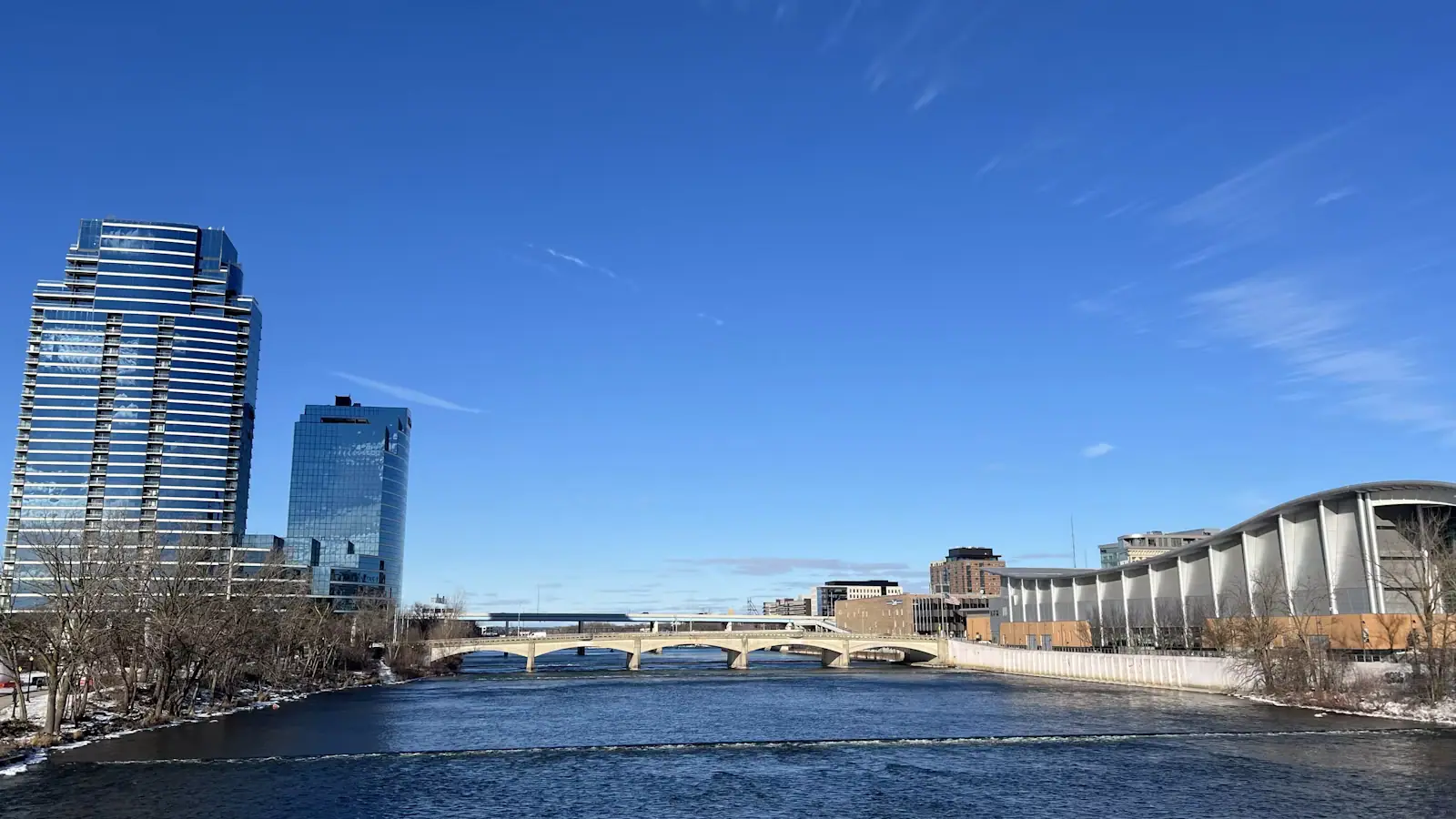
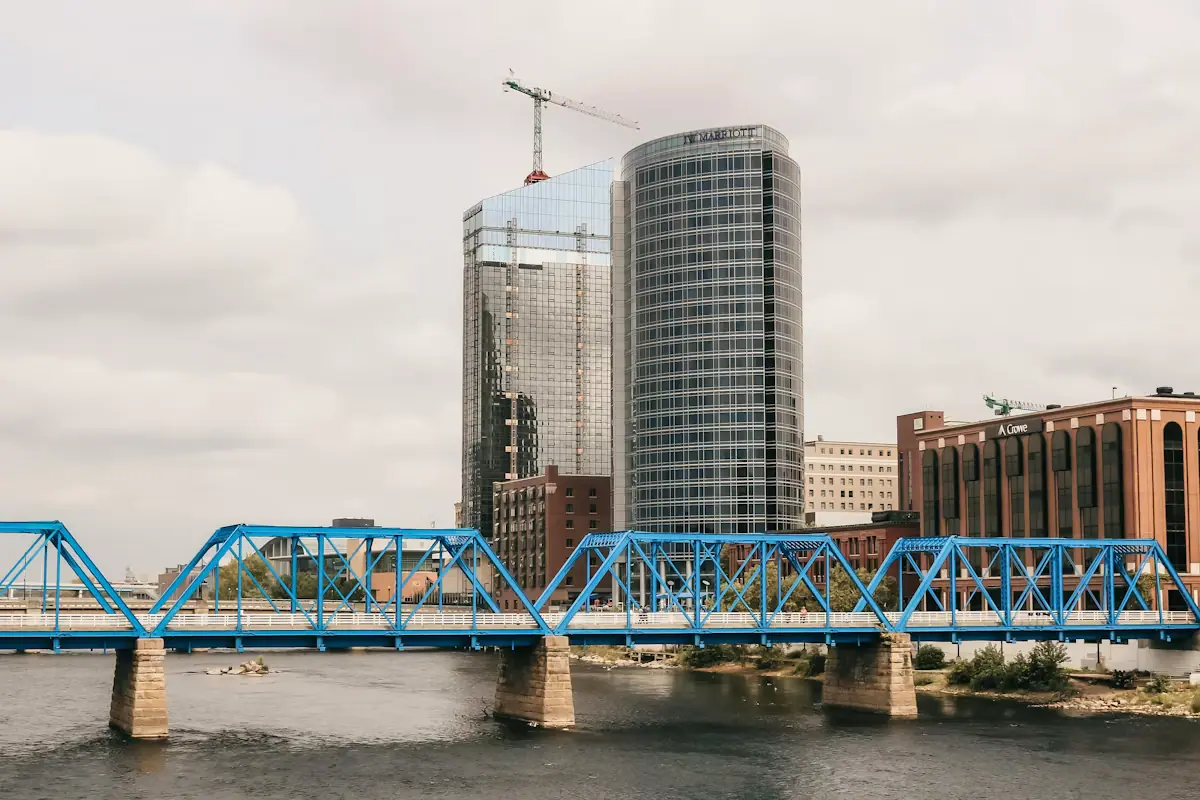
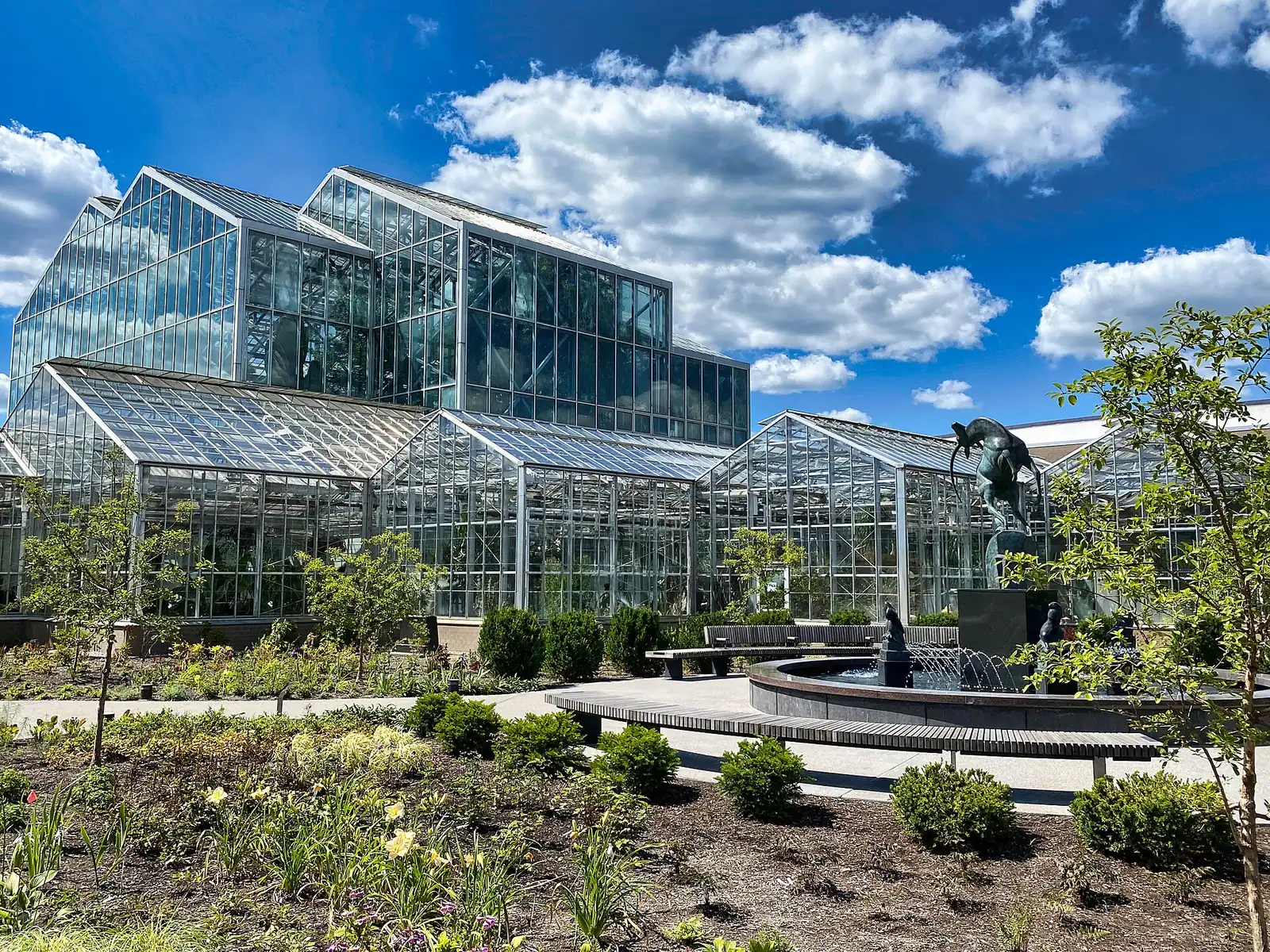
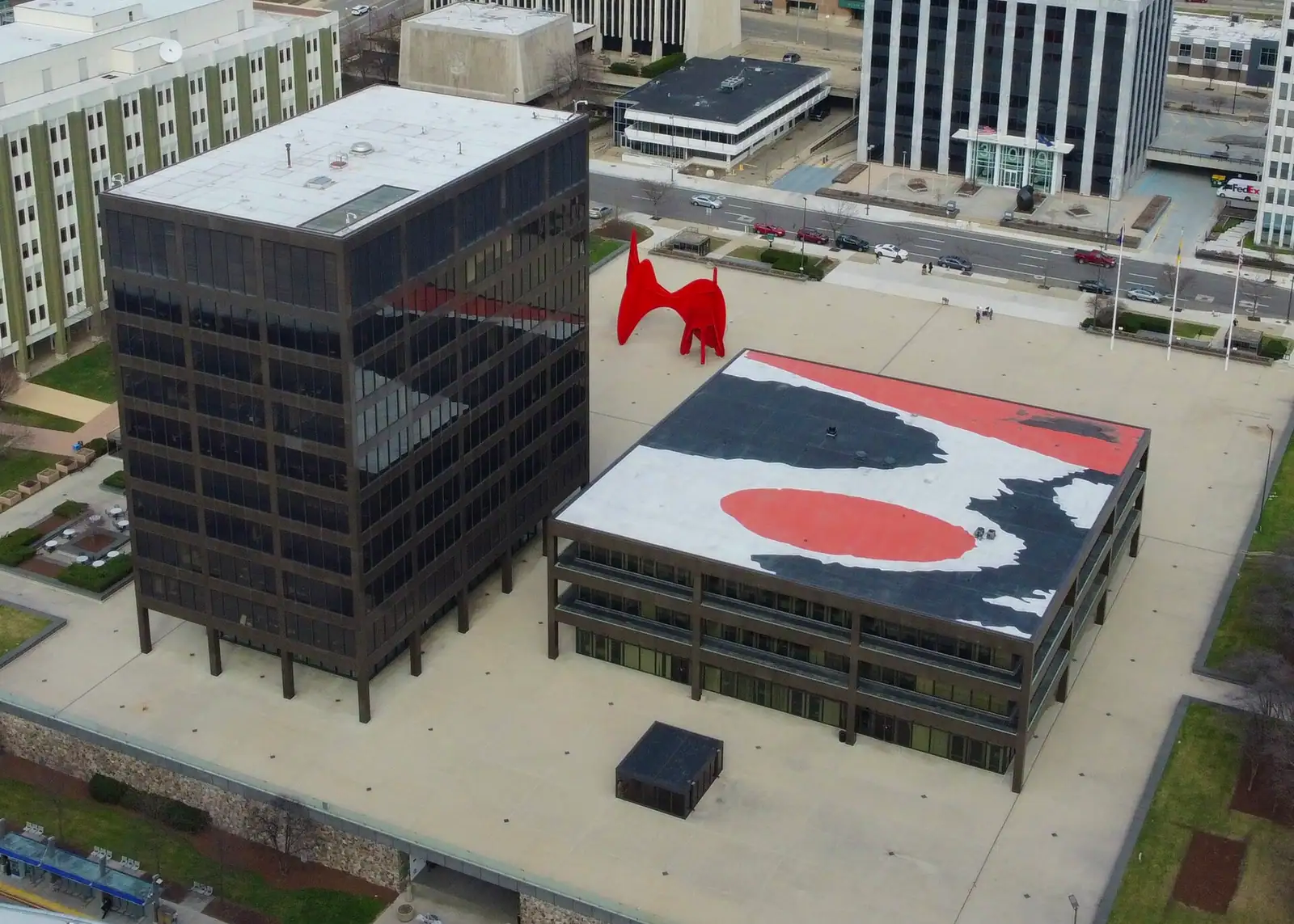
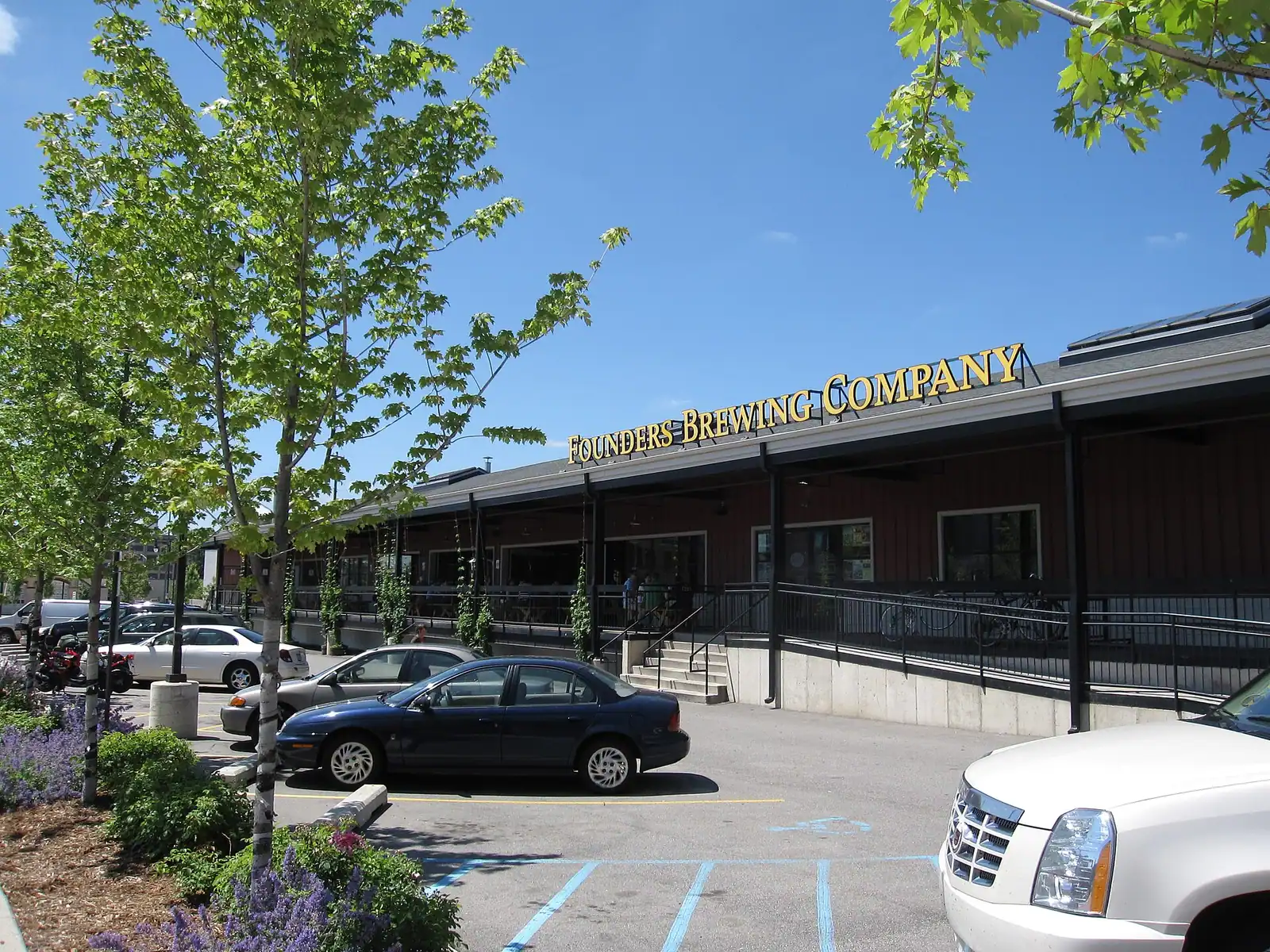
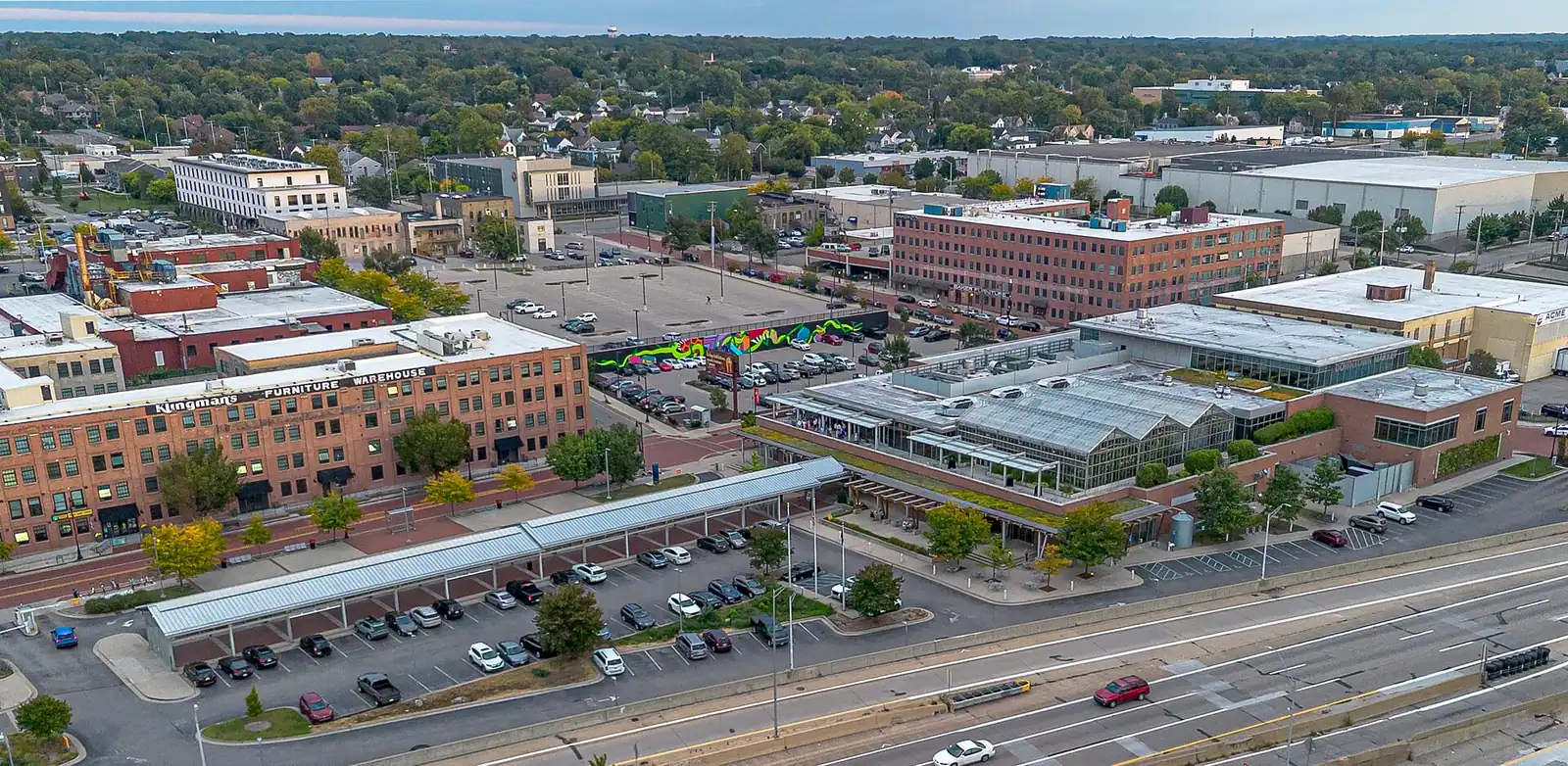
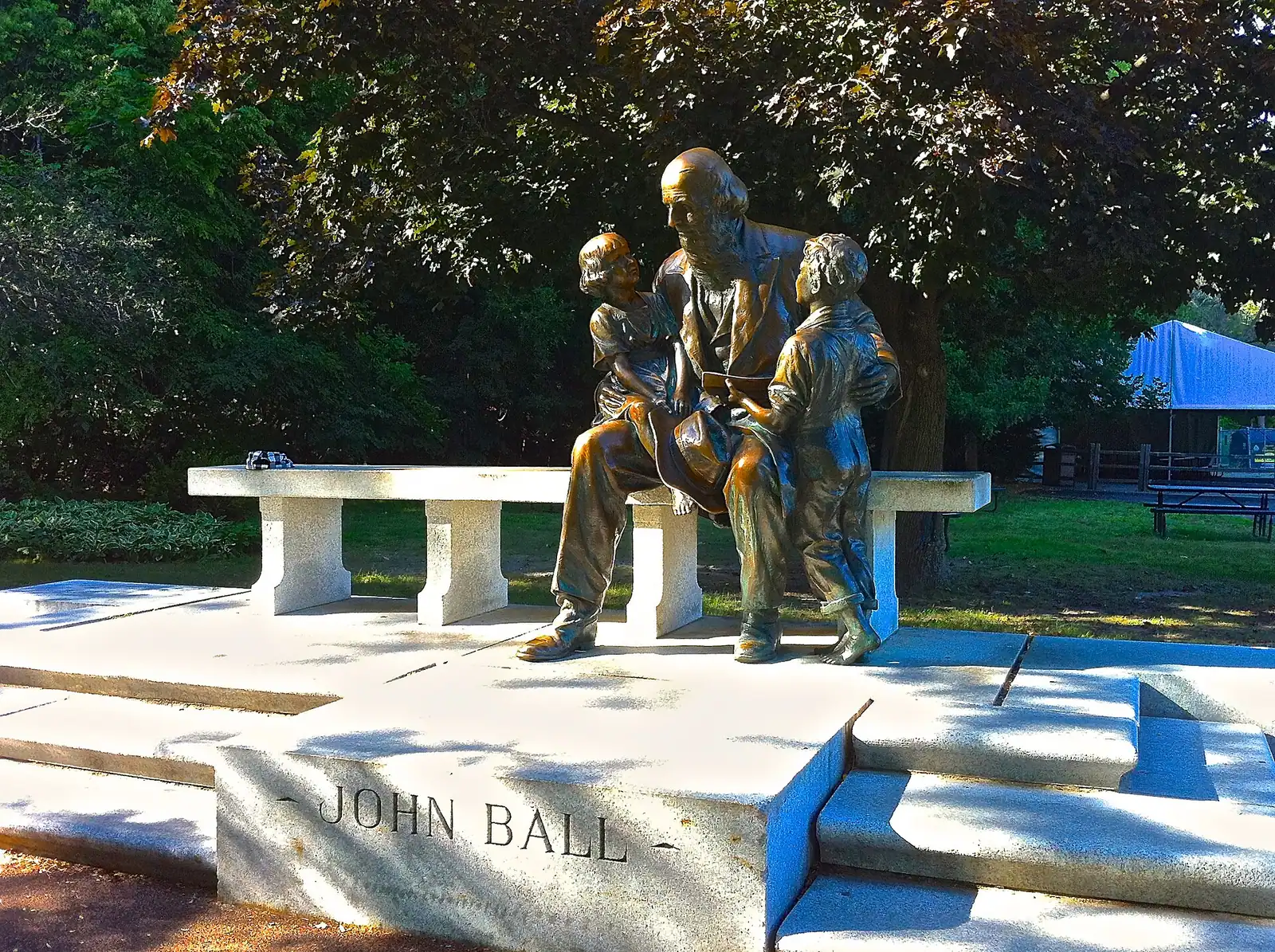
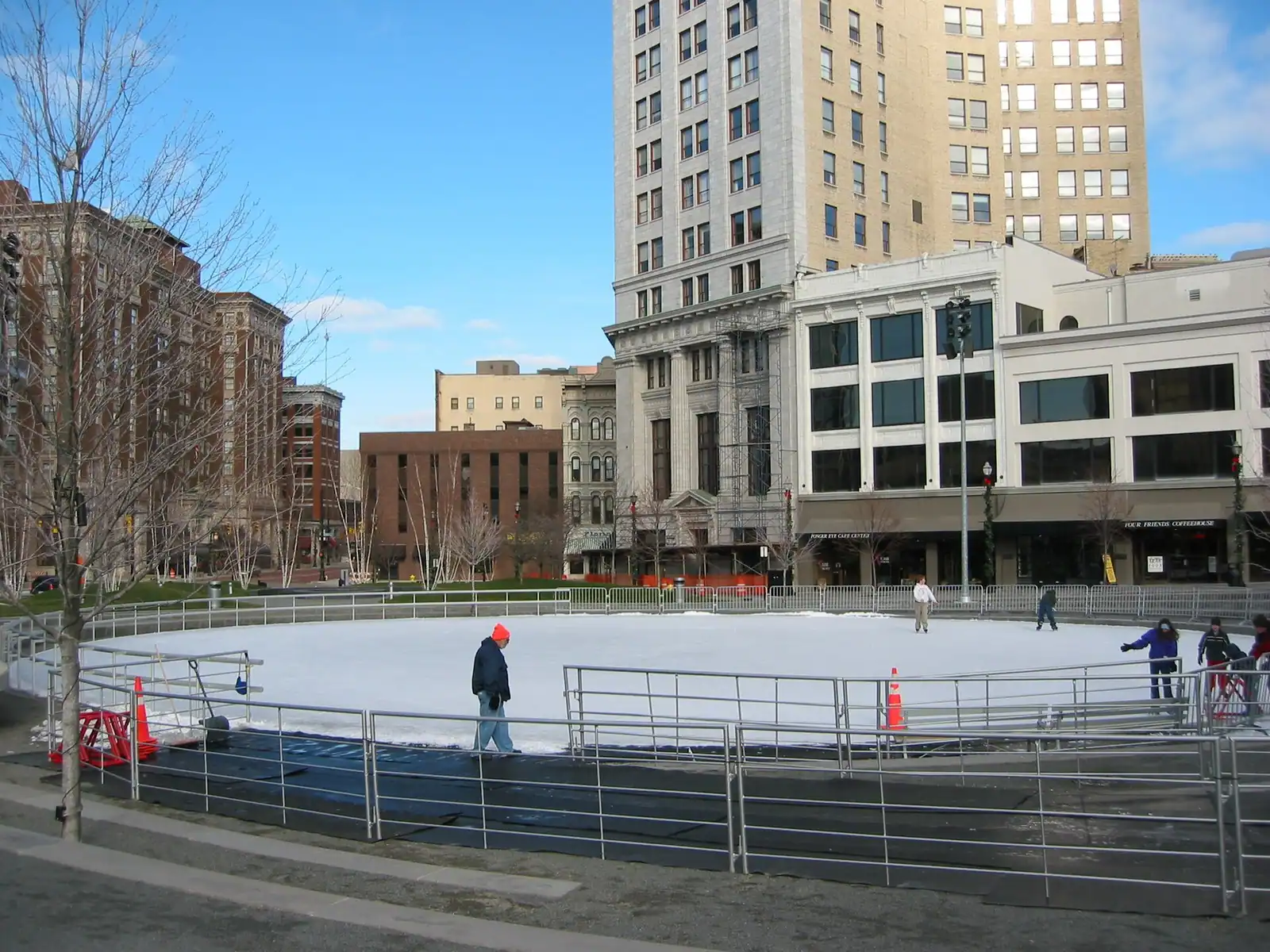
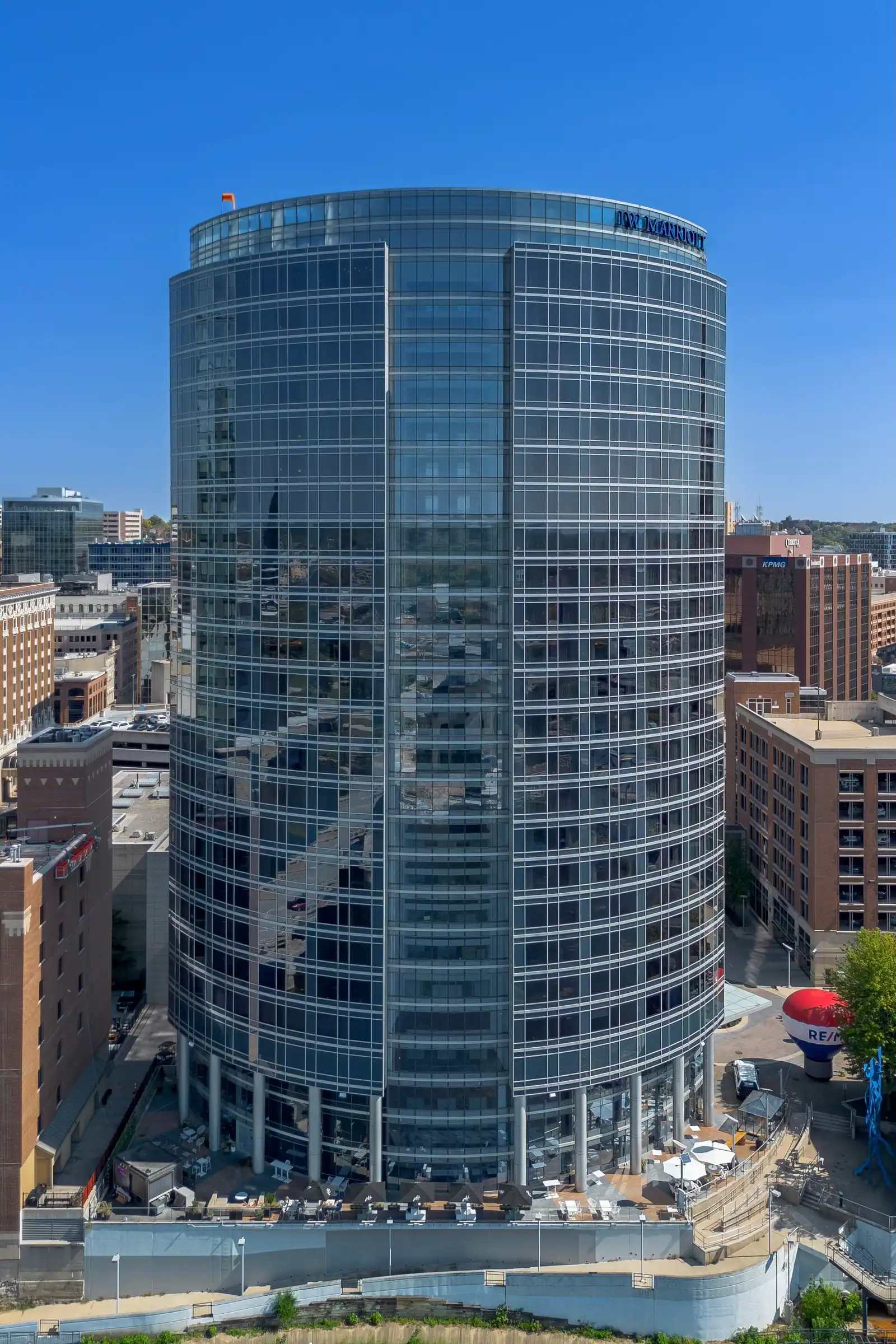
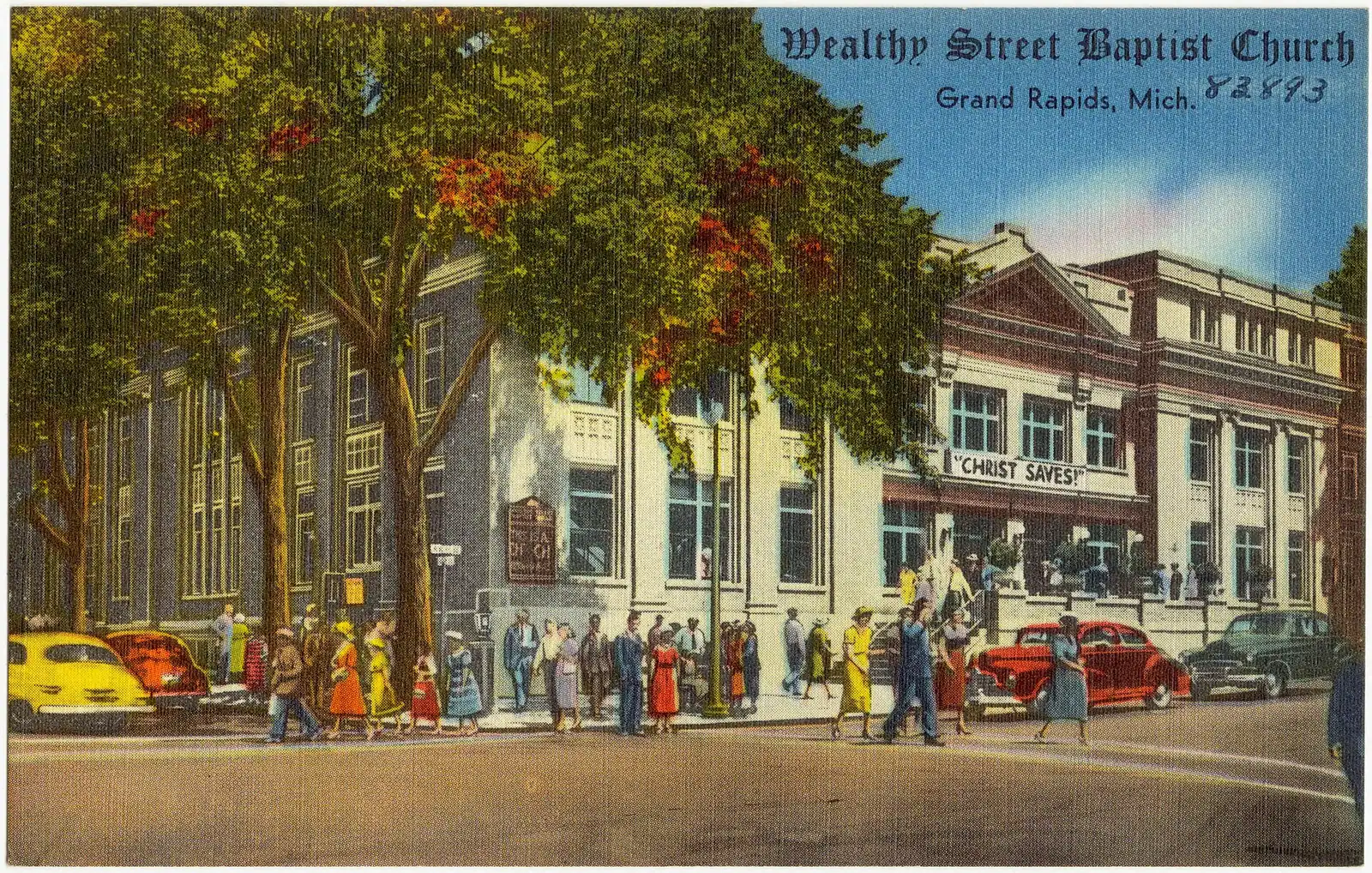
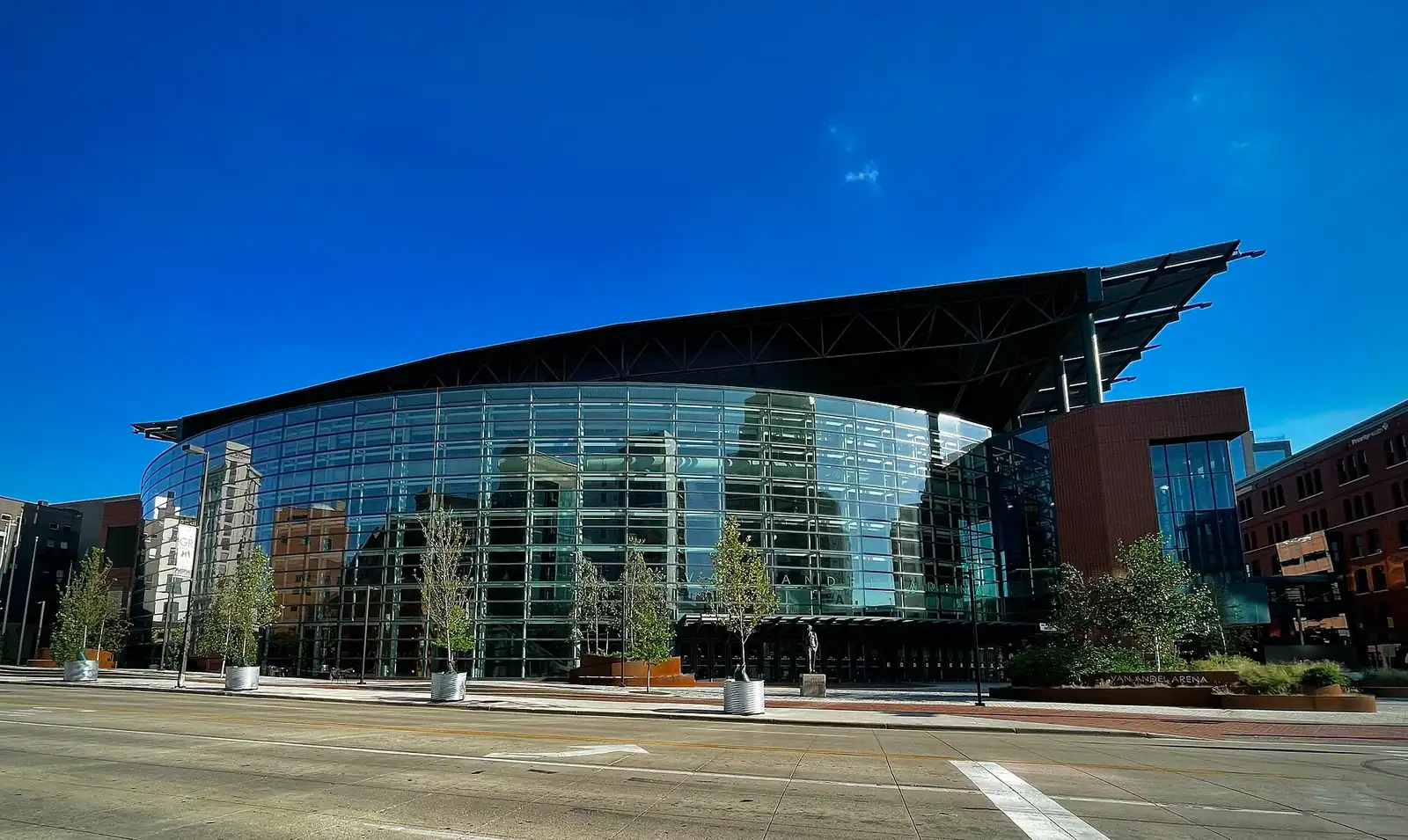
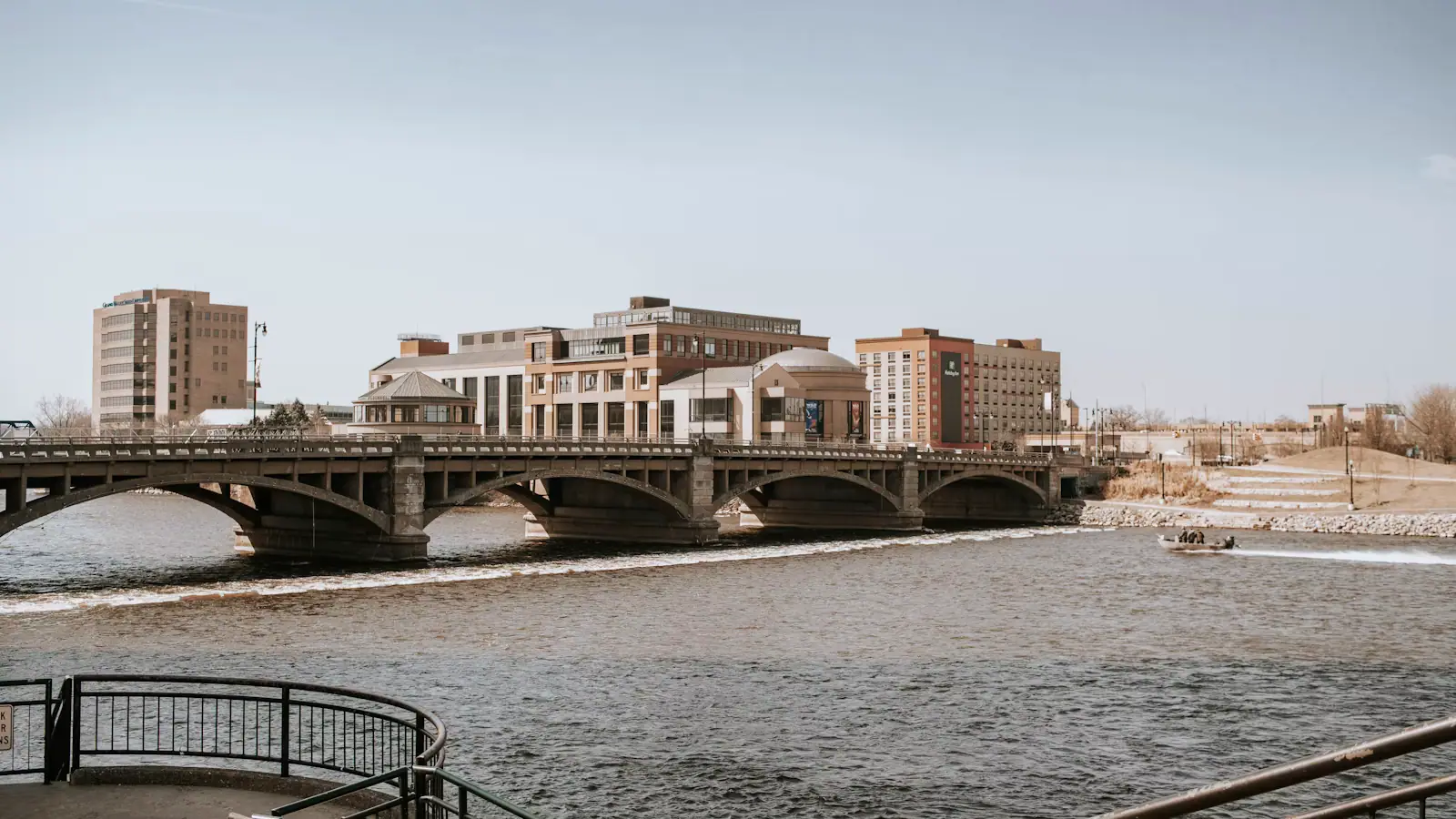
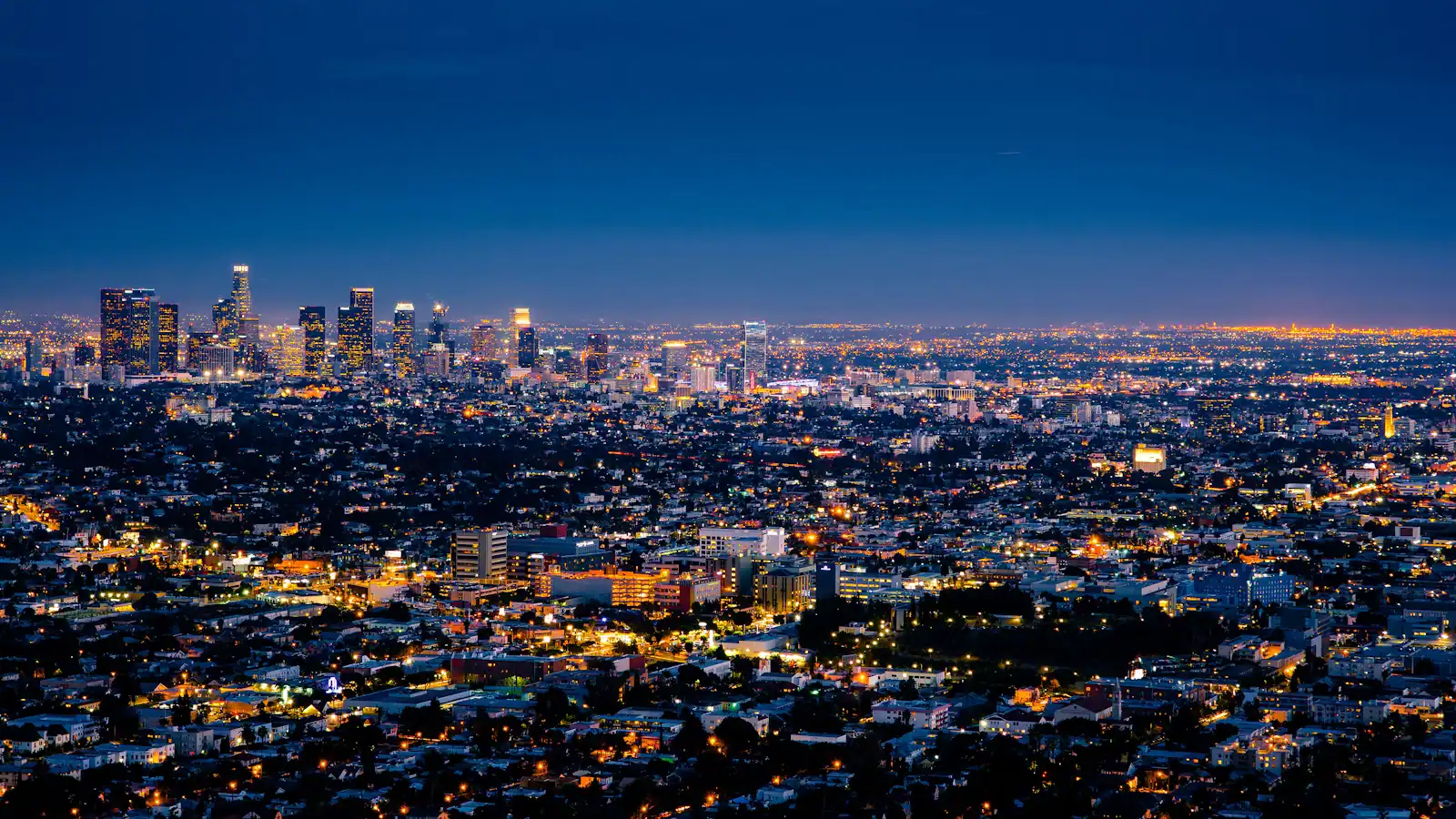
Geographically it is simple. The Grand River cuts the city north to south. Downtown, the arena, the two riverside museums and the Calder sit on the east bank; the Ford Museum, John Ball Zoo and the West Side breweries sit on the west. East of the centre the land rises into Heritage Hill, then the restaurant streets of East Hills, Wealthy Street and Eastown. Frederik Meijer Gardens is about seven miles east, out past the hospitals, and it is the one thing on this page worth organising a day around. Lake Michigan is thirty miles west. It is a day trip. It is not why you came.
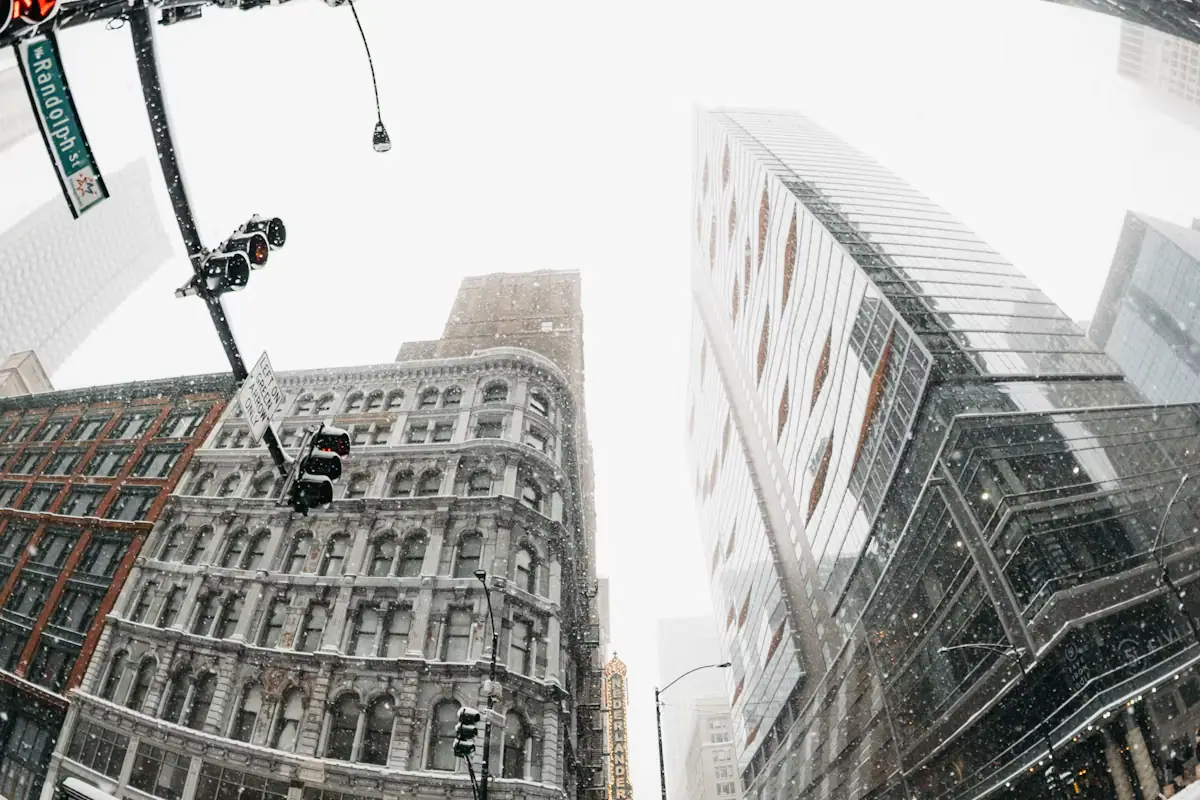
Two honest warnings before the good part. First, the river through downtown is an active construction site and will be for a while: work to put rapids back into the Grand began in the summer of 2026 between Bridge Street and Fulton Street, so the riverwalk is stitched with closures and the water is not currently the amenity the photographs suggest. Second, winter here is a real variable, not a seasonal flavour. Roughly seventy-six inches of snow falls in an average year, most of it blown in off the lake, and January is the cloudiest month. That does not ruin a trip. It changes which trip you take, and this guide says so on every page where it matters.
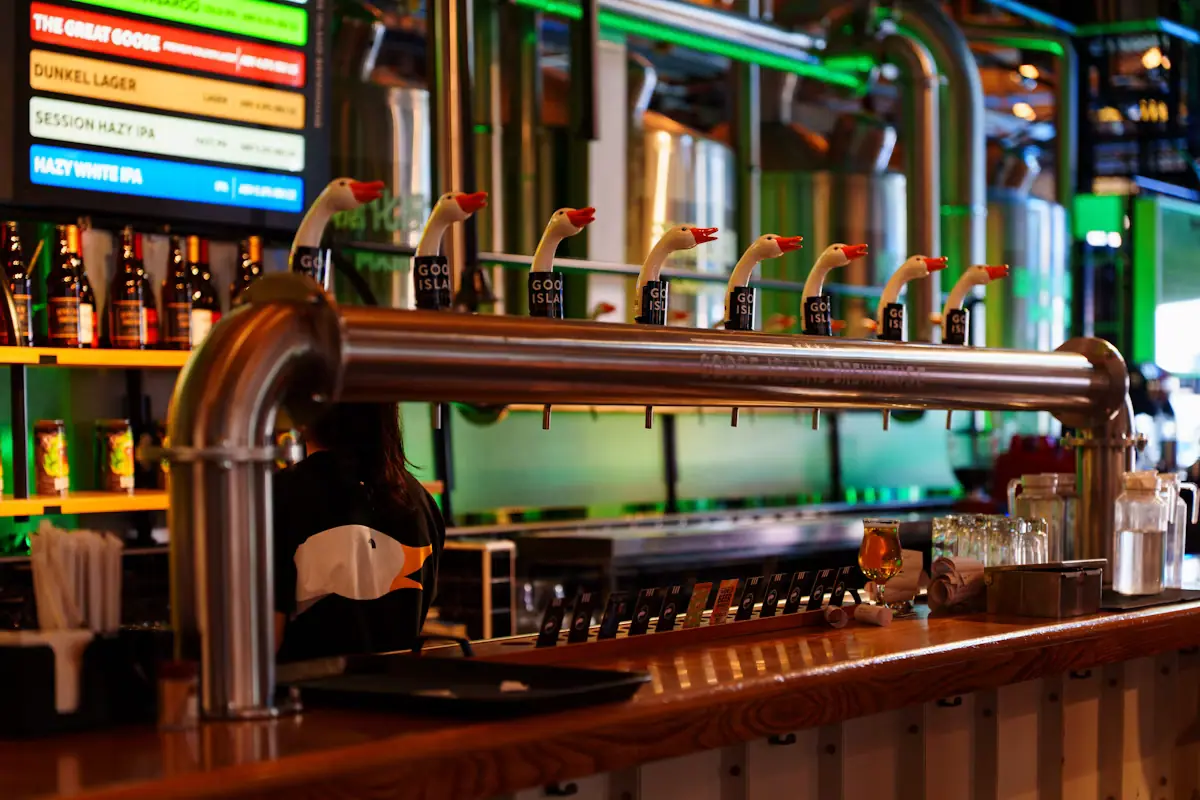
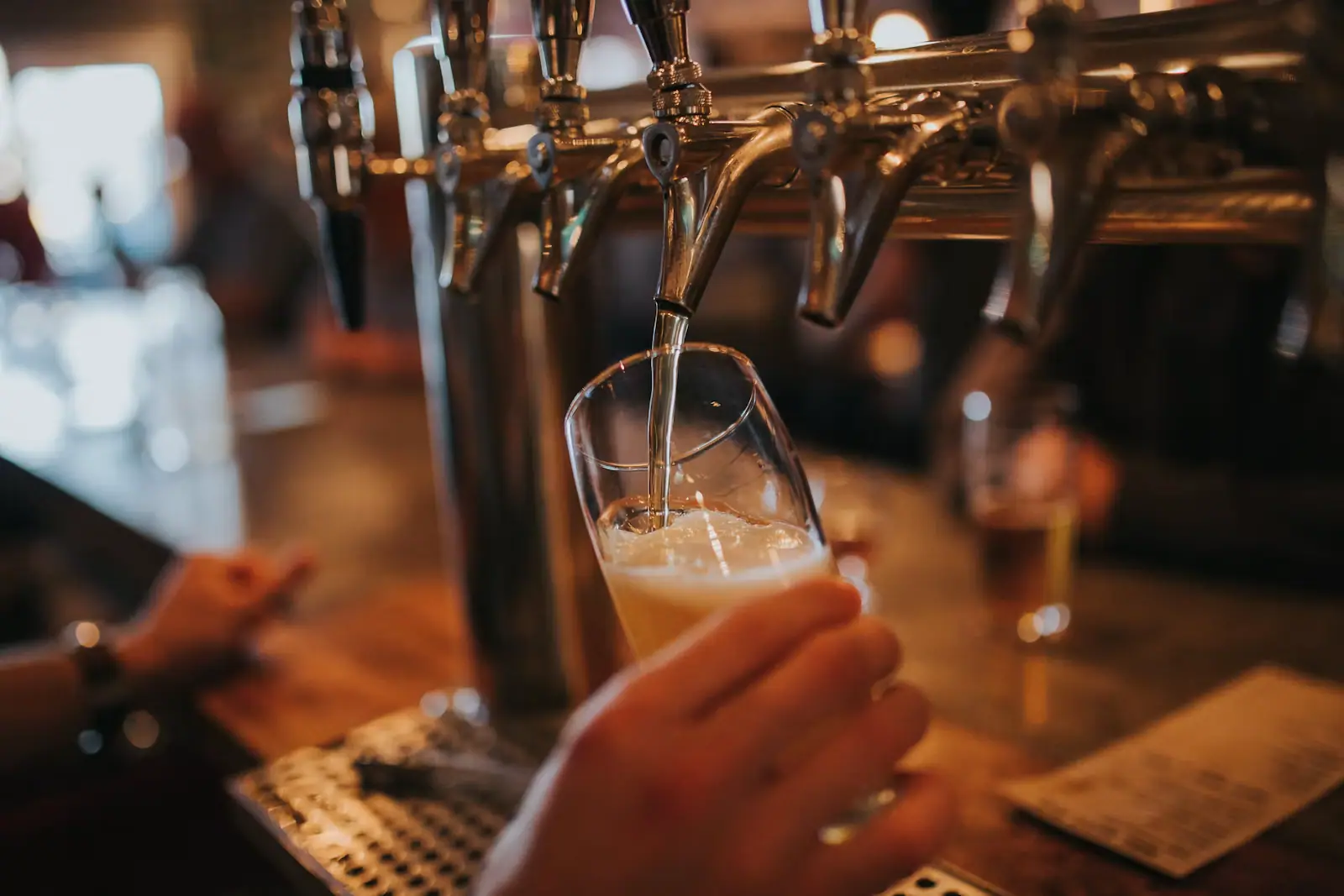
What follows is arranged the way you will actually meet the place: a first day on foot, the one thing outside the centre, the beer, the children, the autumn, the winter, and the lake.