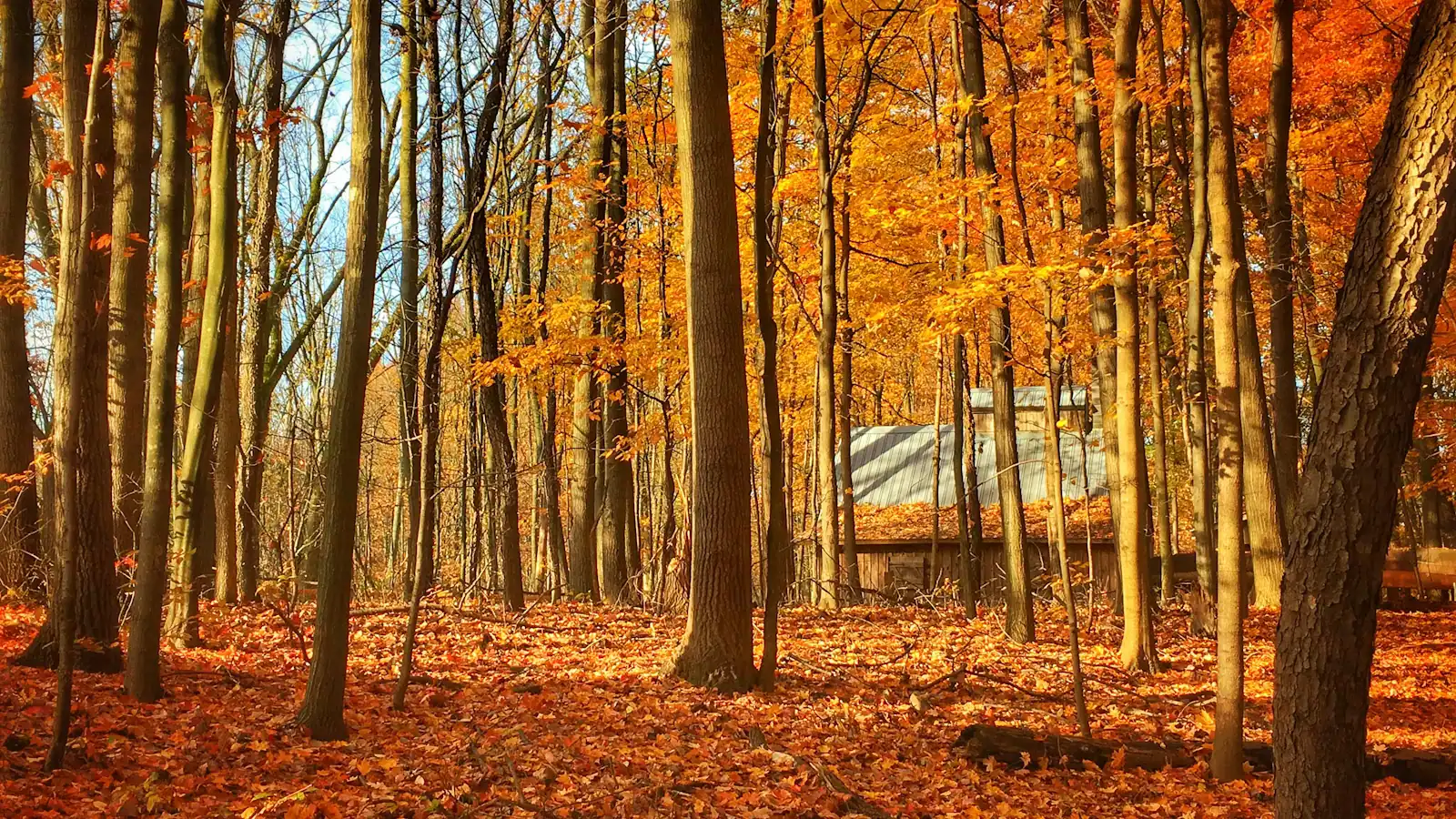
Nature preserve
Blandford Nature Center
Two hundred and sixty-four acres of woodland inside the city limits, with a sugarhouse that boils sap from late February.
1.5–3 hoursAround $5 per person; members and the youngest children free1.9 mi away
Wildlife
Last updated
A zoo built into a hillside, where a funicular carries you to the top so the rest of the day is downhill.
Photo: WMrapidsPublic domain
Most zoos are flat. This one is not, and everything about a visit follows from that.
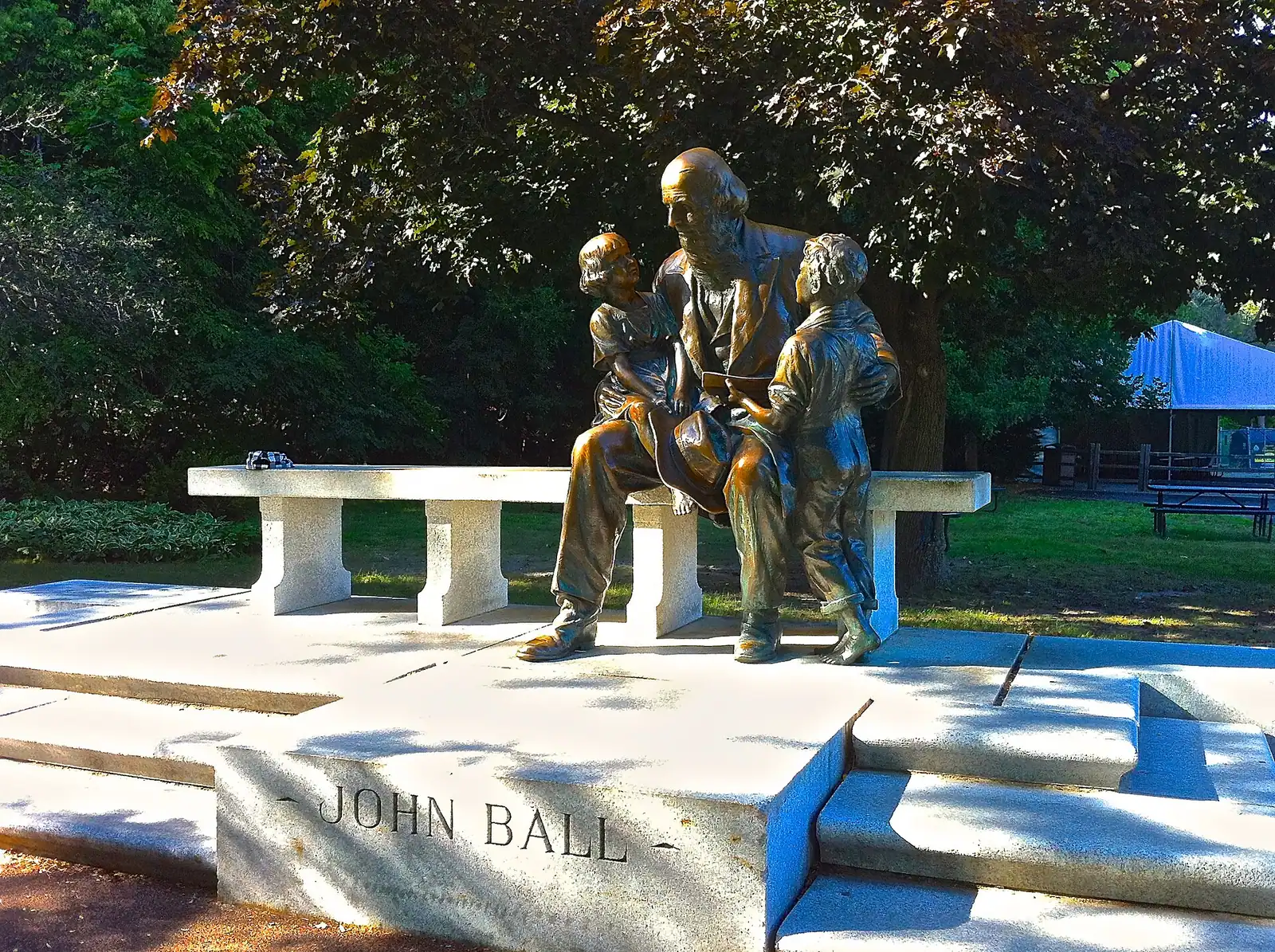
The land came from John Ball, a New Hampshire-born lawyer who crossed to Oregon in the 1830s, settled in Grand Rapids, and left forty acres to the city when he died in 1884. Another hundred acres followed. City records first mention animals on the site in 1891, starting with wounded and orphaned creatures and a pair of deer bought to stock a hillside deer park. The zoo now covers around 140 acres on the west side, a mile and a half from downtown, with a wooded ridge running through the middle of it.
The funicular is the single most useful thing here. It is a cable railway that lifts visitors, strollers and wheelchairs from near the entrance to the Idema Forest Realm at the top of the hill, where Amur tigers, red pandas and snowy owls live among the trees and the view opens back across the city skyline. From there, the sensible plan is to work your way down. Go the other way and you are climbing a wooded slope with a tired four-year-old on a July afternoon, which is a different holiday.
Elsewhere: chimpanzees and the Africa section, an indoor building of frogs, lizards, snakes and small primates for when the weather turns, a four-storey ropes course along the Wild Way Trail, and a set of paid add-on experiences that the zoo leans on more than most.
The critical planning fact is the season. John Ball is not a year-round zoo. The 2026 season opened on 20 March and runs to late November, with hours extending to 6pm through high summer and pulling back to 5pm either side. Confirm the current dates before you drive out in March or December.
The zoo sits on West Fulton Street about a mile and a half west of downtown, on the far side of the river from the museums. Driving takes five to eight minutes from Monroe Center outside peak hours, and there are lots on site.
The Rapid runs buses along Fulton, which makes this one of the few Grand Rapids attractions reachable without a car in a sensible amount of time. Check current routes and frequency before relying on it for the return leg, since evening service thins out.
Cycling in from downtown is straightforward along Fulton, with the caveat that the last stretch climbs. Bike parking is near the entrance. On summer weekends the on-site lots fill by late morning and the overflow is on-street in a residential neighbourhood, so read the signs.
This is the thing people get wrong. John Ball Zoo runs a season rather than a year, and in a city where the snow is measured in feet that makes sense, but it catches visitors who assume a major zoo is open in January.
The 2026 season opened on 20 March and runs through to late November. Hours moved with it: roughly 9am to 5pm in spring, 9am to 6pm from late May into early September, then back to 9am to 5pm through the autumn. Last admission is before closing, so a 4:30pm arrival in September buys you very little.
Outside the season the grounds are closed to general admission, though the zoo runs ticketed special events in some winters. Do not build a December family day around it without checking first.
Within the season, the shoulder weeks are the good ones. Late March and early April are cold but empty, and several of the animals are far more active at 45°F than at 85°F. Mid-July weekends are the busiest hours of the year, and the hill is unforgiving in humidity.
Season dates shift. Check the current calendar before travelling.
The collection is mid-sized and well sited rather than enormous. The hill does a lot of the work: habitats are cut into slopes and screened by mature trees, so sightlines are closer and less zoo-like than a flat site allows.
Up top, the Forest Realm: Amur tigers, red pandas, snowy owls. Cold-climate animals in a Michigan woodland, which is the one place in the zoo where the setting and the species genuinely agree with each other.
Africa holds the chimpanzee group, which is the exhibit most visitors spend longest at, along with lions and other African species.
Indoors, a building of frogs, lizards, snakes, bees and small primates gives you somewhere to stand when a West Michigan spring squall arrives, which it will.
Paid add-ons are extensive: the ropes course, zip line, an aerial adventure, animal encounters, and in recent seasons an adults-only escape room. They are charged separately from admission and can add up quickly for a family. Decide before you are standing in front of them with children.
The zoo participates in species survival programmes and is accredited, and the signage is better than average on what the conservation work actually involves rather than just asserting that it exists.
Straight-line distances, so allow more on the road — the island is long and has one main parkway.
Nature preserve
Two hundred and sixty-four acres of woodland inside the city limits, with a sugarhouse that boils sap from late February.
1.5–3 hoursAround $5 per person; members and the youngest children free1.9 mi away
Park
Fifteen hundred acres of former gypsum mine and gravel pit, now West Michigan's largest urban park, with a swimming beach in the middle.
1.5–5 hoursPark free; the beach and splash pad area carries a daily charge2.8 mi away
Trail
A downtown loop on both banks of a river that is currently being torn up so it can have its rapids back.
1–1.5 hoursFree. Parking is the only cost and that is a downtown ramp1.1 mi away
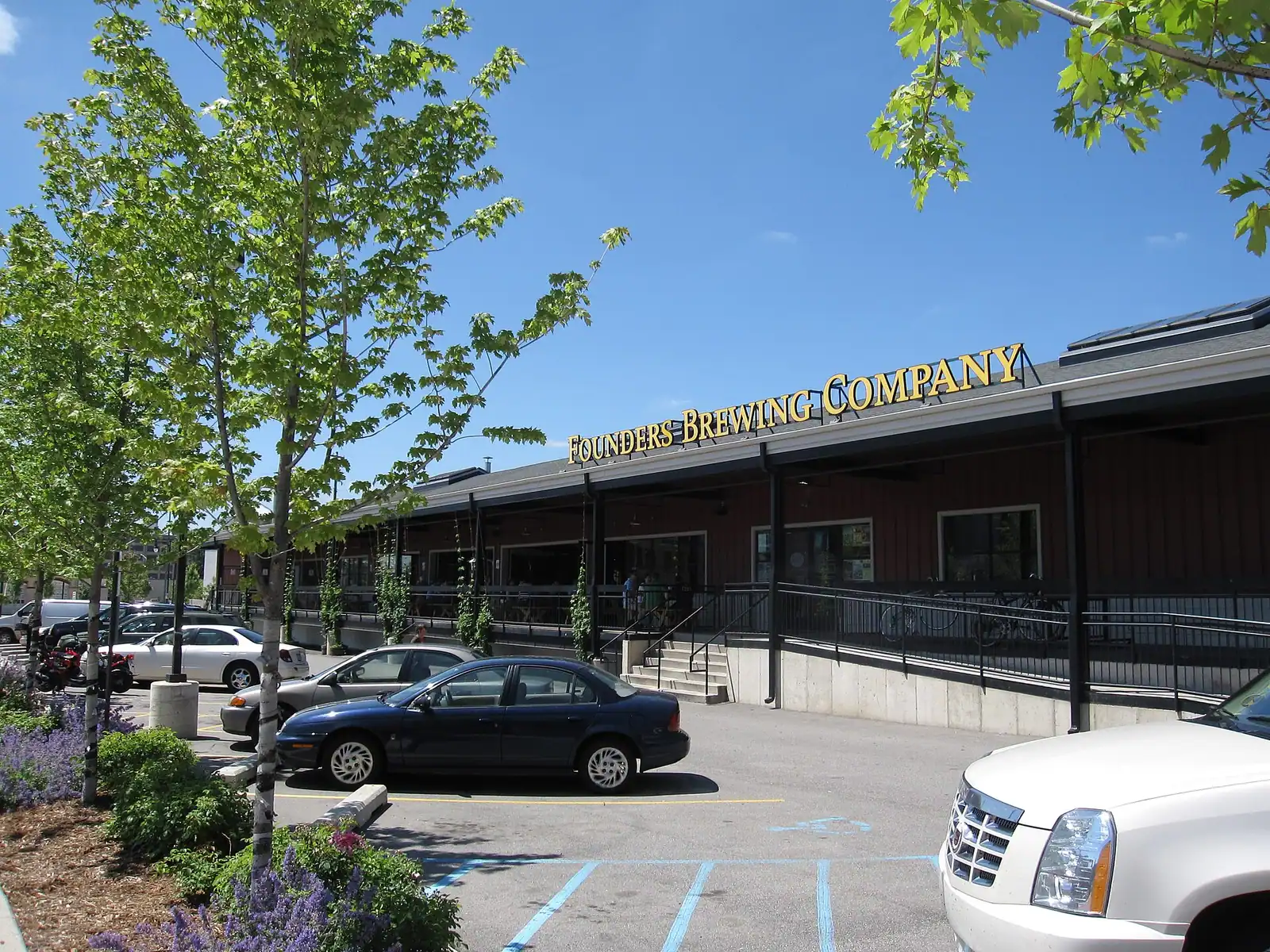
Dining district
A converted trucking depot laid out like a German beer hall, and the address that turned Grand Rapids into Beer City.
1–2.5 hoursFree to enter; you pay for what you drink1.3 mi away
Where this place fits into a day, and the pages that plan one.
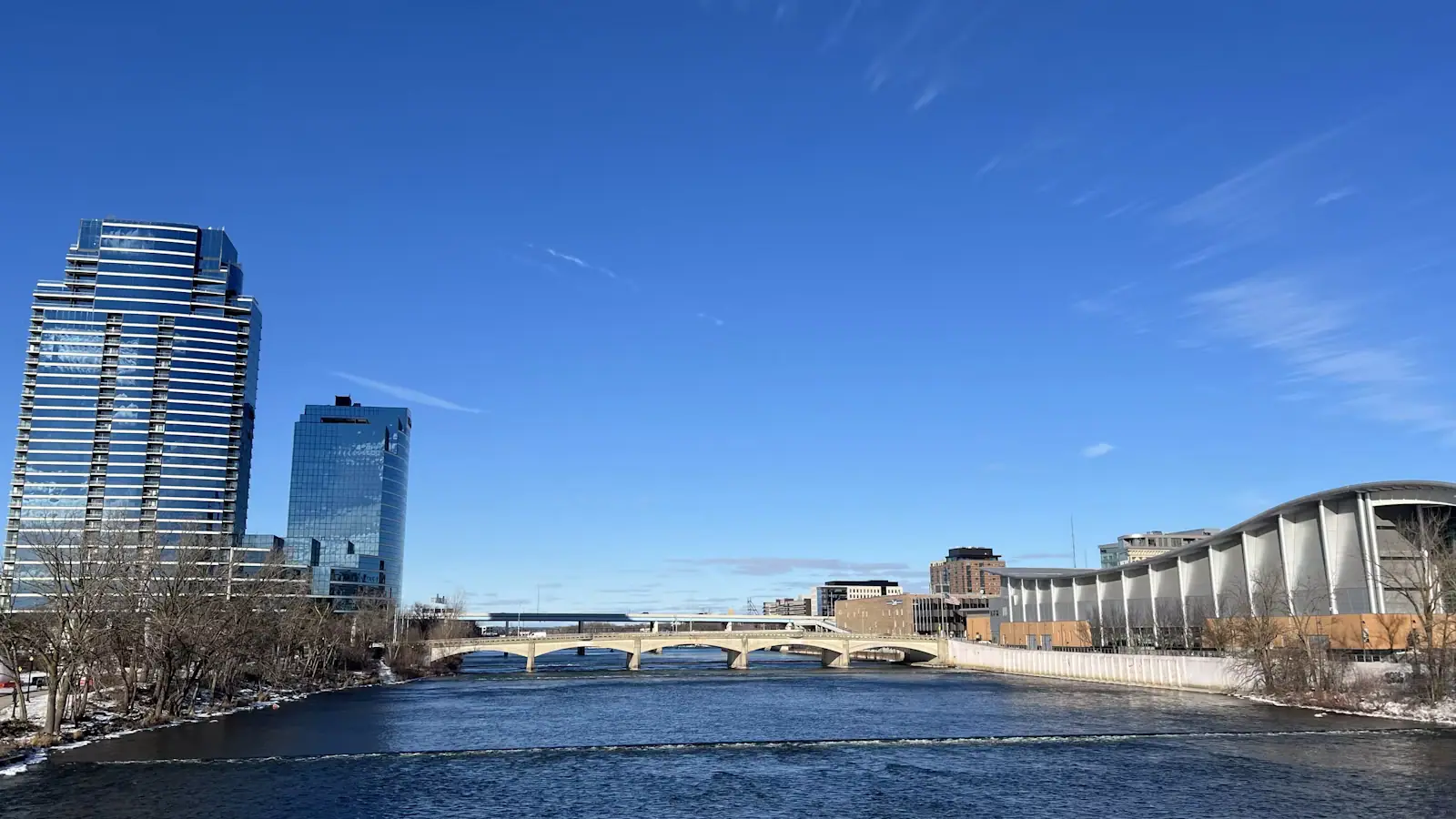
Guide hub
Furniture paid for this city, and then it paid for everything worth coming to see in it. That is the single idea a visitor needs. Grand Rapids made…
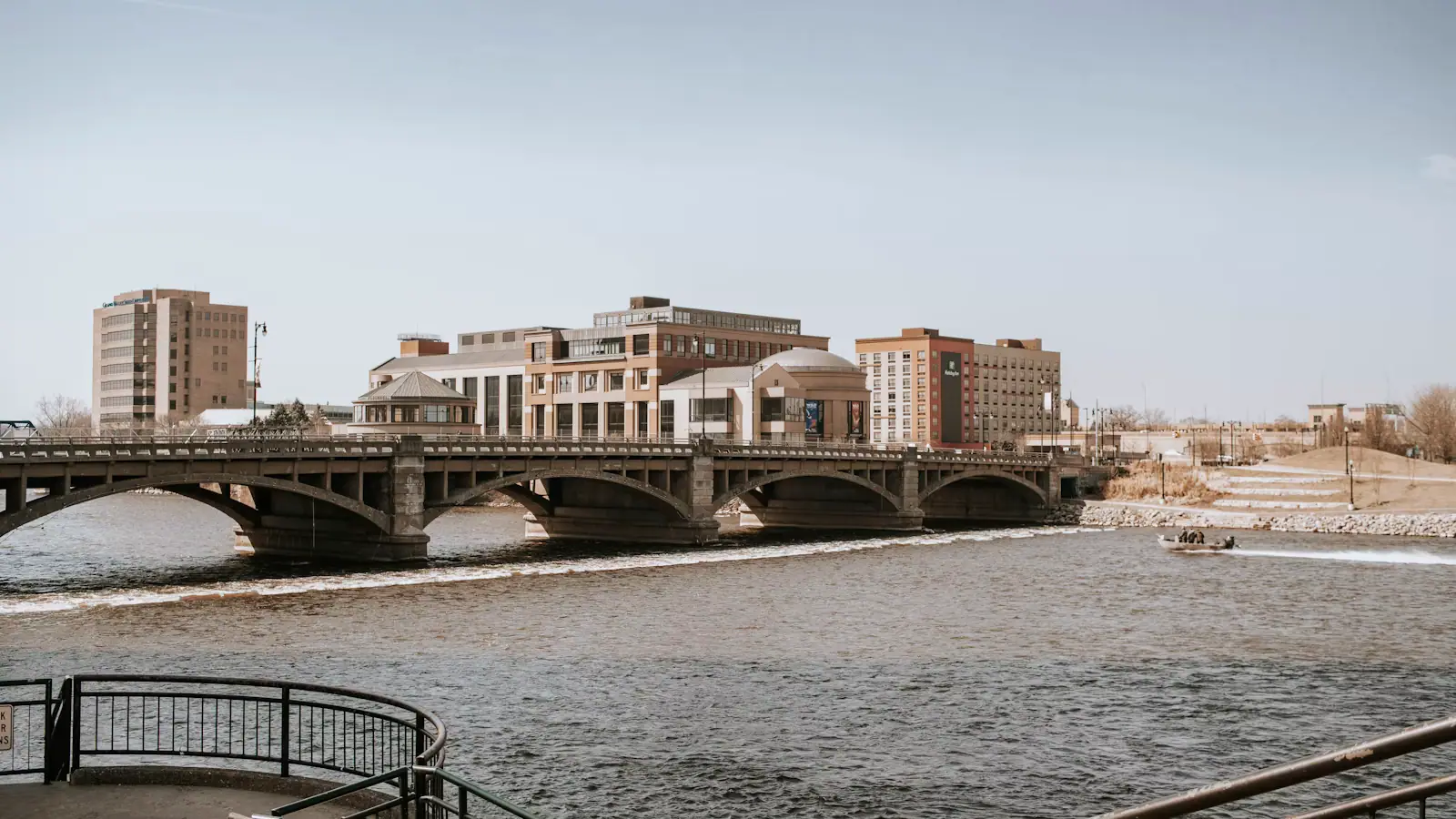
Guide hub
A city of two hundred thousand people should not have this list. Grand Rapids does, and the reason is a hundred and fifty years of manufacturing…
Plan your trip
Grand Rapids runs on a different calendar from most American cities, and getting that wrong is the commonest planning mistake made here. Summer is…
Who it suits
Grand Rapids is better with children than its reputation suggests, and the reason is the same reason it is better with adults: a century of local…
Things to do
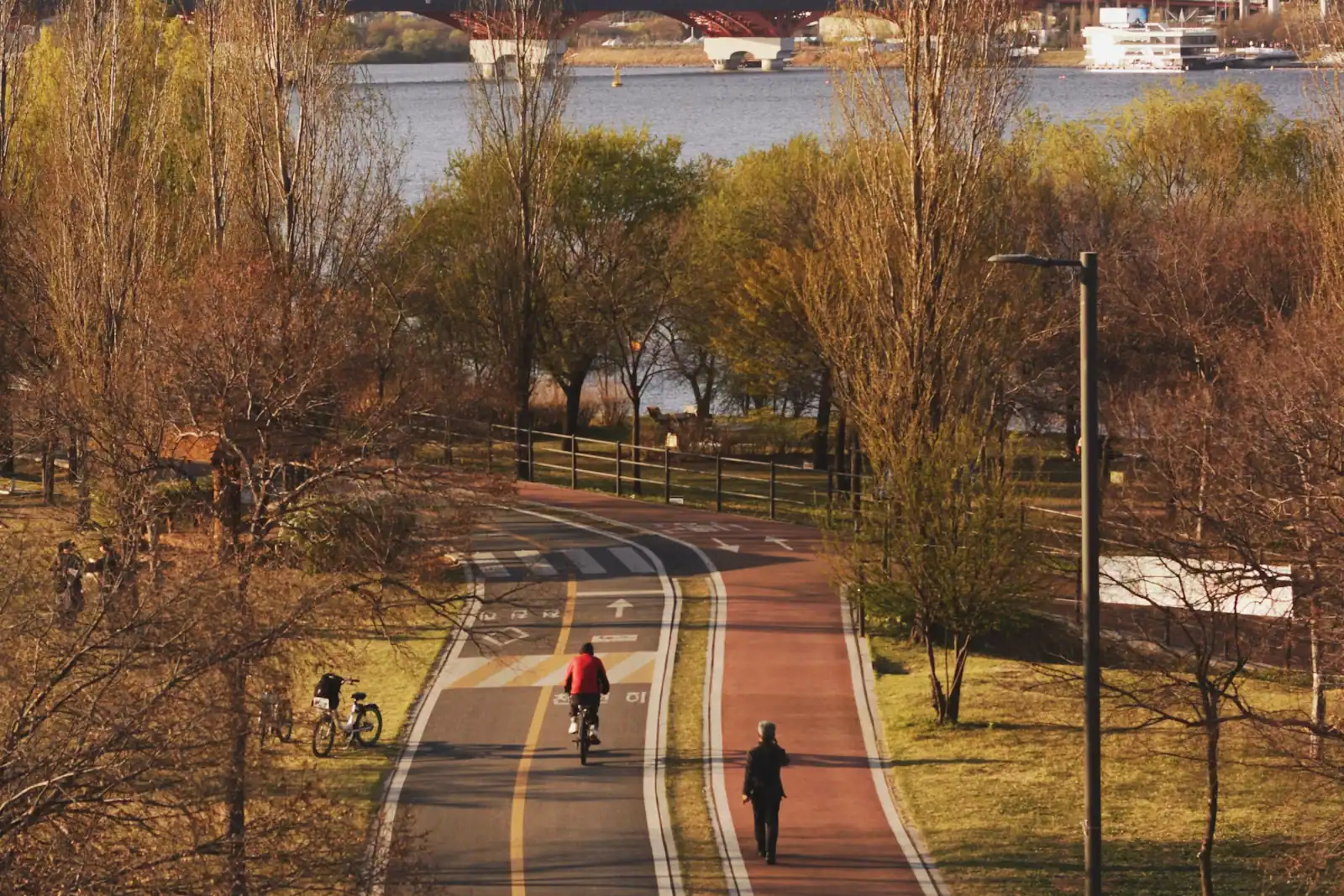
Almost nothing green in Grand Rapids is original. The largest park in the city is fifteen hundred acres of former gypsum workings and gravel pits…

Guide
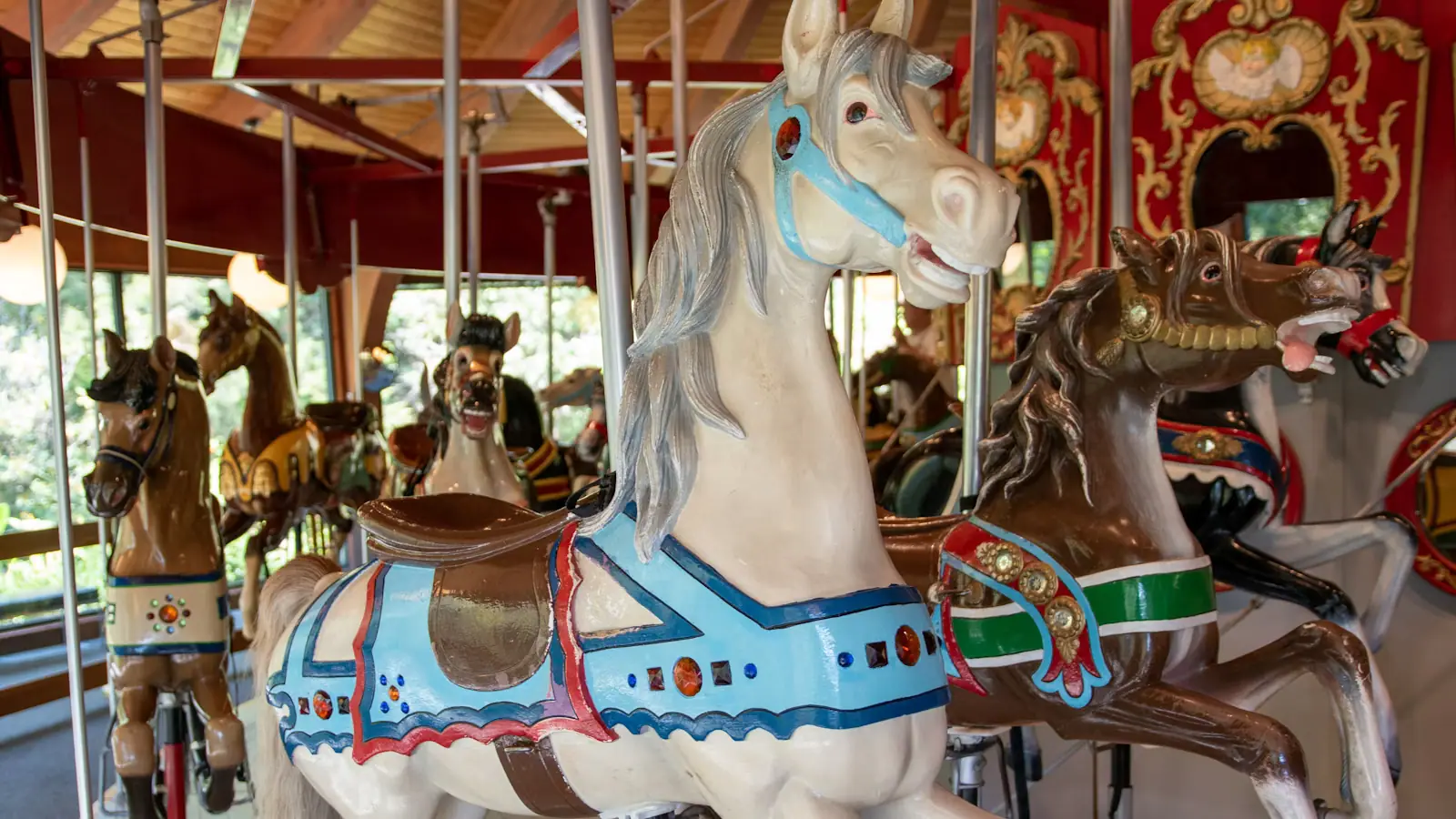
The zoo shuts for the winter, the carousel does not, and the best hour of a family day here costs three dollars and runs on a platform out over the river.
5 min readMarguerite Vanderhoff

Guide
A grocery fortune bought 158 acres, a five-storey glasshouse and a 24-foot bronze horse built from Leonardo's unfinished commission. The calendar decides whether you enjoy it.
5 min readIlse Hoekstra
Guide
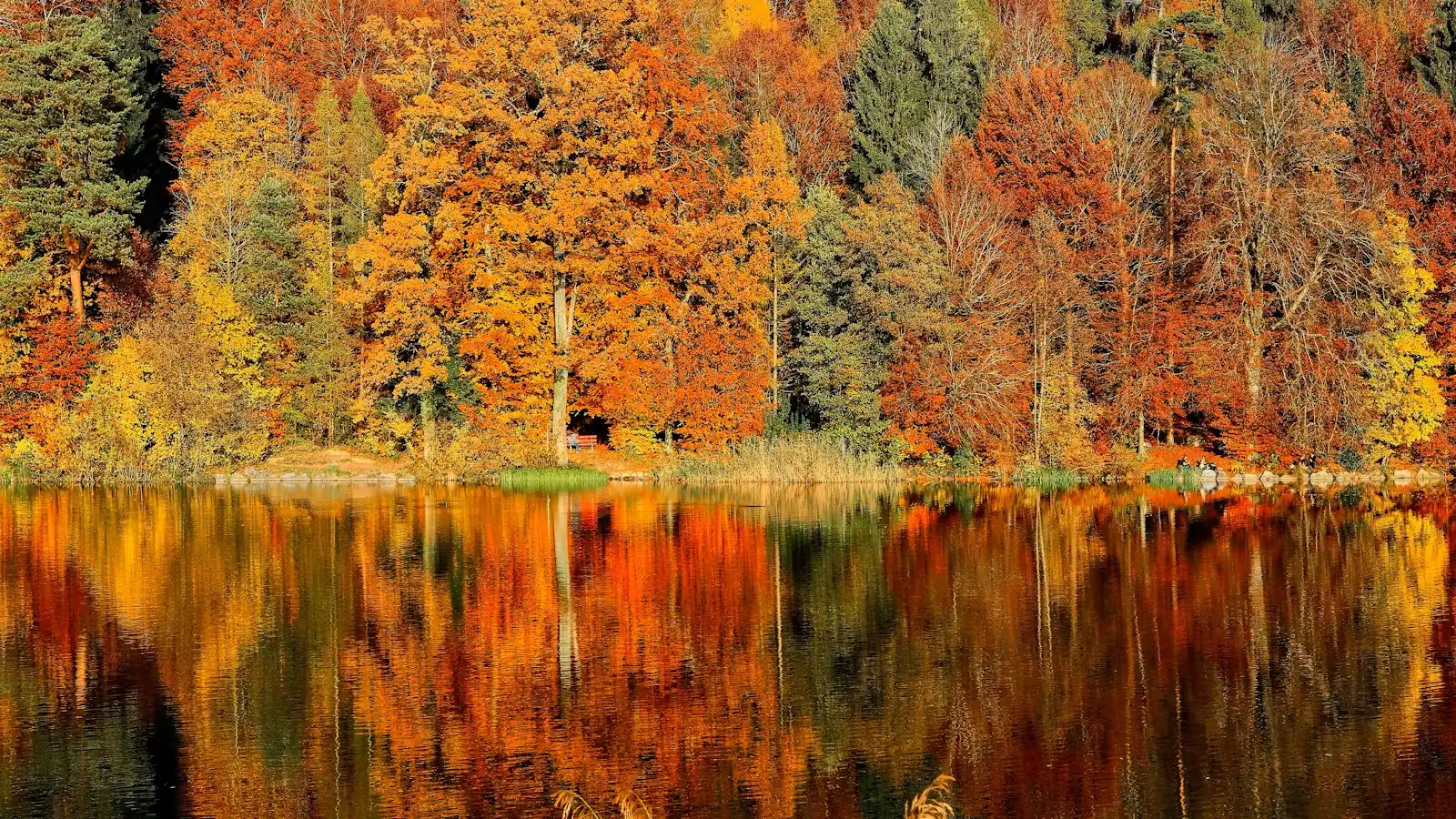
Late September is the best fortnight and the most expensive one. March is the worst month and nobody says so. Here is the year, month by month, without the tourism-board gloss.
5 min readMarguerite Vanderhoff
No. It runs a season rather than a full year. The 2026 season opened on 20 March and runs to late November, closing for the winter afterwards, although ticketed special events sometimes run outside those dates. Hours shift within the season, roughly 9am to 5pm in spring and autumn and 9am to 6pm through high summer. Check the current calendar before making the drive in early spring or late autumn.
A cable railway that carries visitors from near the entrance to the Idema Forest Realm at the top of the zoo's wooded hill. Strollers and wheelchairs are allowed on it. The smart plan is to ride up first and then walk the whole visit downhill, arriving at the highest point with a view over the Grand Rapids skyline. An elevated boardwalk offers an alternative route if the queue is long.
About three hours at a steady pace, or four with young children or any of the paid add-ons. The site covers around 140 acres on a hillside, so the walking is more demanding than the acreage suggests. The ropes course alone can absorb an hour. If you are short on time, ride the funicular, see the Forest Realm and the chimpanzees, and walk down.
Adult admission is in the region of $22 to $27 in season, with reduced rates for seniors and children aged three to twelve and free entry for under-threes. Buying online is normally cheaper than paying at the gate. The Sky Trail ropes course, zip line, aerial adventure and animal encounters are all separate charges, which is how a family visit gets expensive fast. Verify current prices before you go.