Skip to content
Search
Menu

These bookings earn us a commission through Viator. You pay the same, and the money played no part in the selection.

Things to Do

Repaired Ground

Last updated

Grand Rapids parks and trails: 1,500 acres on old gypsum workings, the river rebuild, spring wildflowers at Aman Park and the 92-mile White Pine Trail.

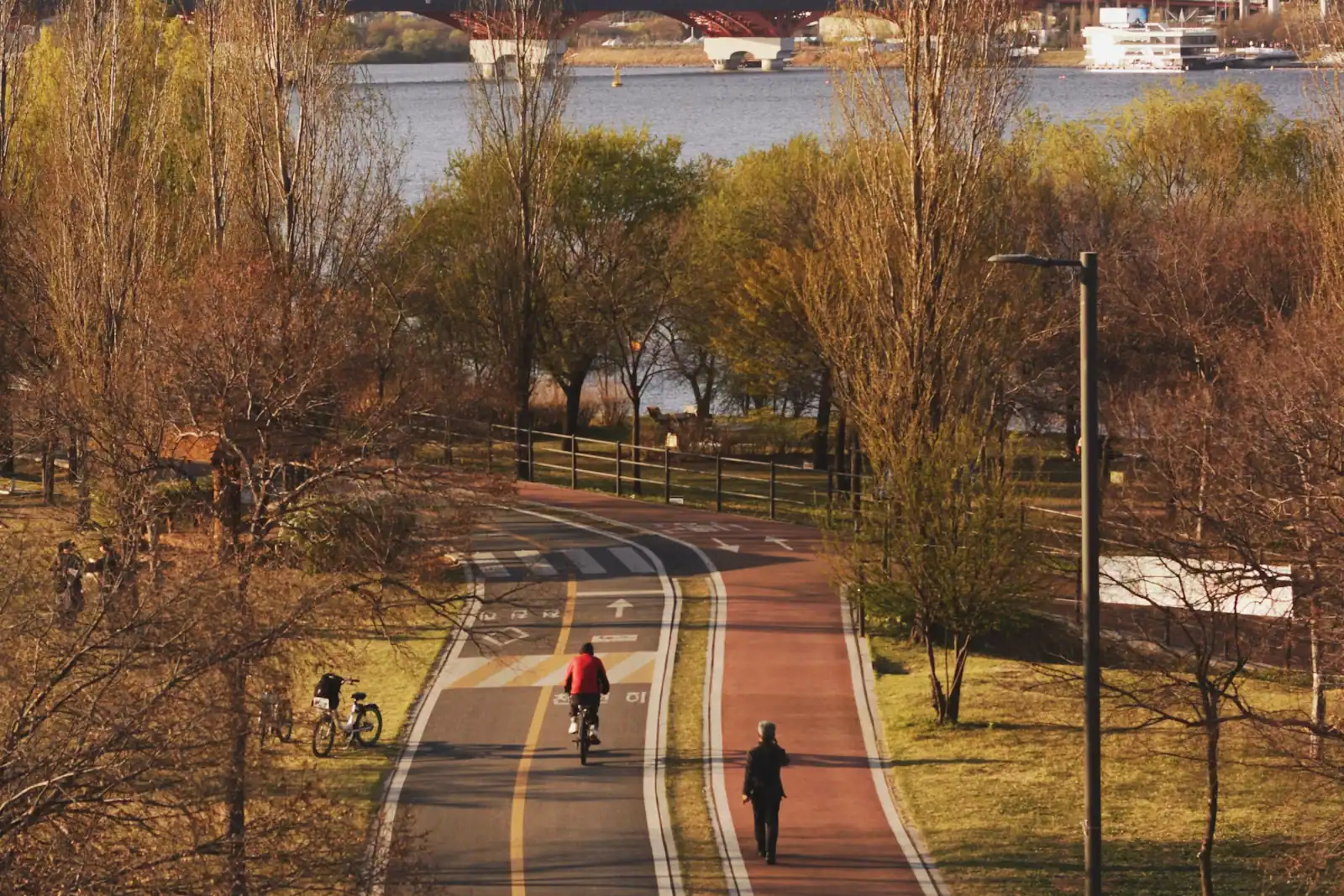
People cycling and walking along a paved park path beside a riverUnsplash

Almost nothing green in Grand Rapids is original. The largest park in the city is fifteen hundred acres of former gypsum workings and gravel pits. The river running through the middle of it lost the rapids it was named for to a line of dams a century ago. The hills that make the east side streets hard work on a bicycle are glacial moraine, left by ice that also dropped the sand the trails run on. This is a city whose outdoors is repaired industrial ground, and once you see it that way the parks get considerably more interesting than a list of playgrounds.

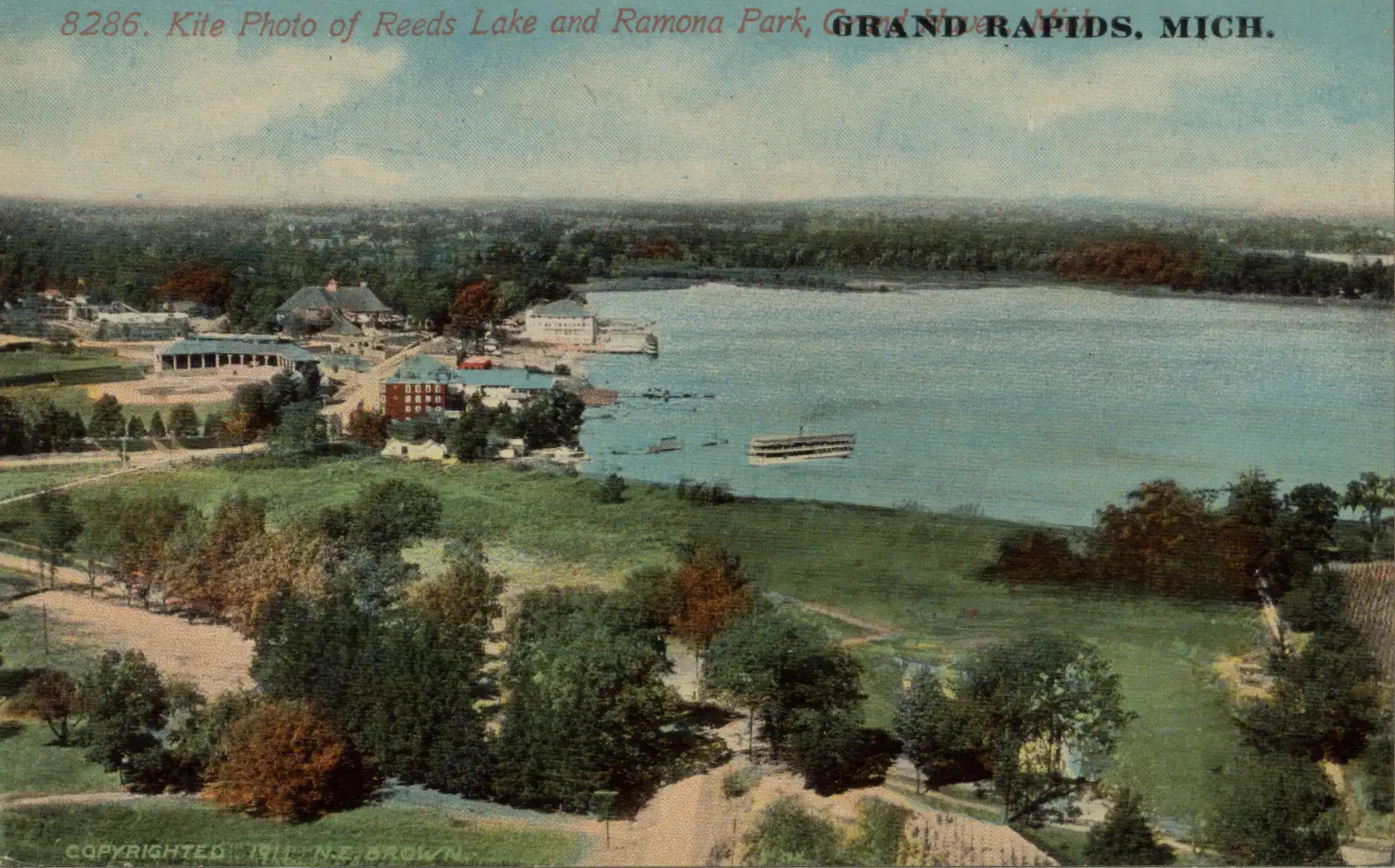
The geology is worth two minutes because it explains the rest. In 1827 somebody noticed a white outcrop along a creek south of the settlement. The state geologist Douglass Houghton confirmed it as gypsum in 1838, commercial quarrying began in 1841, and the creek has been called Plaster Creek ever since. By the end of the century there were thirteen operators, and from 1898 the workings ran underground beneath the bed of the Grand River itself. The mines are closed, mostly flooded and entirely off limits. What is left above them, on the southwest side, is Millennium Park.

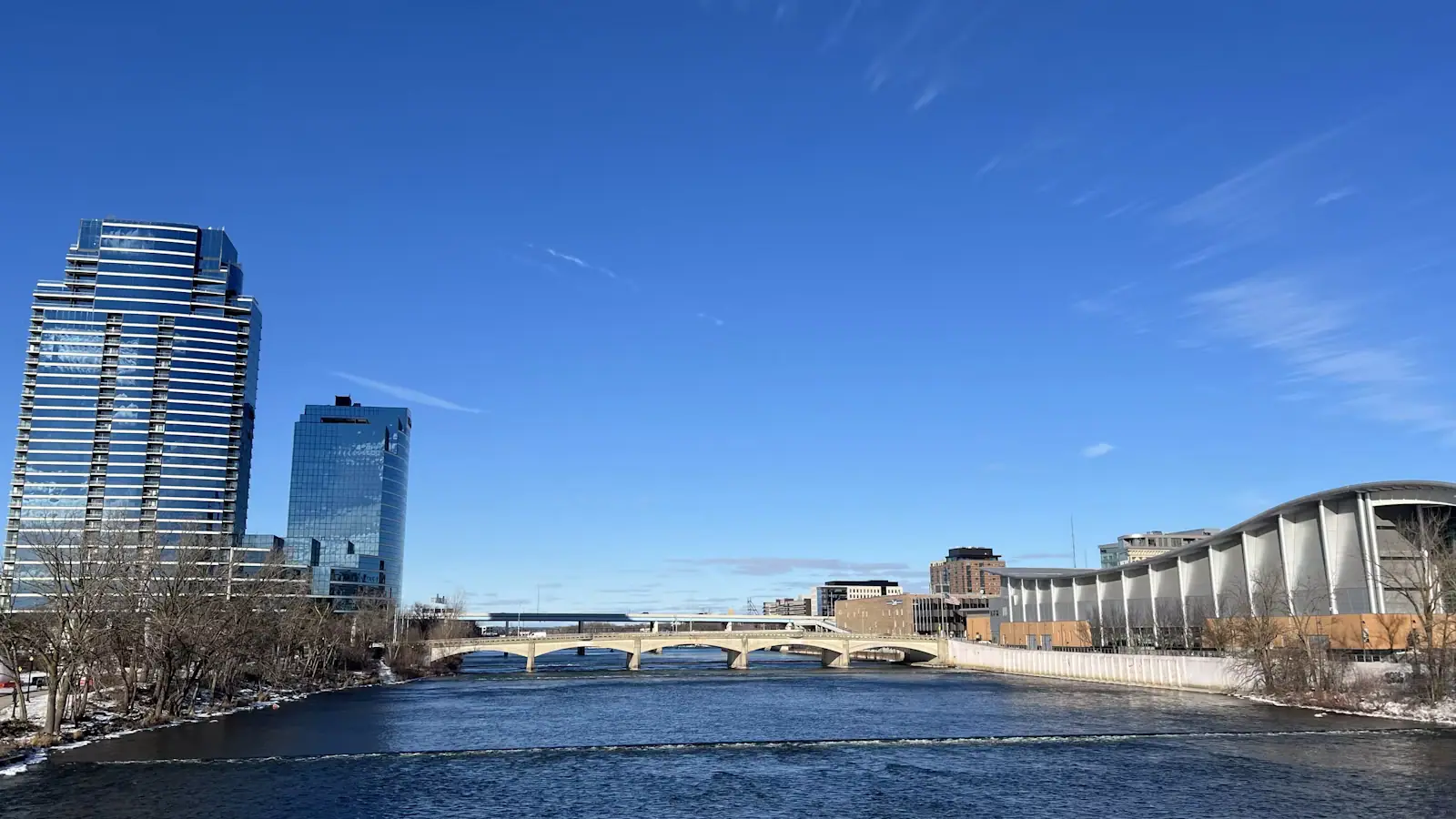
The second thing to understand is that the river is currently a construction site, and that this is good news rather than bad. The rapids that gave the city its name were destroyed by dams built to drive furniture mills. The long project to rebuild them broke ground on its lower reach, between Fulton Street and Bridge Street, in June 2026, with dam removals and engineered rock structures under a construction contract worth about fifteen million dollars. It is expected to take around two years. That means fencing, closed sections of riverside path and heavy plant through the middle of downtown for the whole of your visit. It also means that in a few years this city will have whitewater running through its centre, which almost no American city can say.

Third, and this needs saying plainly because the lake is close enough to confuse people: this is not a beach page. Lake Michigan is thirty to forty-five minutes west and it is a genuine day trip, covered separately. What Grand Rapids itself offers is inland: a fifteen-hundred-acre park on repaired mine land, a ninety-two-mile rail trail starting fifteen minutes north, four hundred acres of wildflower forest six miles west, and a salmon run you can watch from a concrete sculpture in the middle of the city.

Fourth, the honest seasonal note. The good outdoor window here is April to late October, and it has holes in it. April is mud. June and July bring mosquitoes to the wetland trails and ticks to the grass. The best fortnight of the year is the second half of October.
Millennium Park: fifteen hundred acres of made ground

Open grass and tree line under summer daylight in a large parkUnsplash
Open grass and tree line under summer daylight in a large park

On the southwest side, where the gypsum mills and the gravel operations used to be, Kent County assembled roughly fifteen hundred acres of worked-out industrial land into the largest urban park in West Michigan. It is bigger than Central Park by a considerable margin, and it does not look remotely like it.

What the mining left behind was holes, and the holes filled with water. The park is therefore a chain of lakes and ponds joined by about eighteen miles of paved and unpaved trail, with a six-acre swimming beach and a splashpad at the middle of it, boat rental in season, and long stretches where the only evidence of a city is the noise of the expressway somewhere behind the trees.

Three things to know before you go. It is genuinely large and the parking areas serve different ends of it, so decide which entrance you want rather than following the first sign. The beach is the busiest thing in the park on a hot Saturday and the trails half a mile away will be nearly empty. And swimming is seasonal and supervised only at certain times, so check rather than assume.

The reason to come here rather than drive to the lake is honesty about your day. Millennium Park is fifteen minutes from downtown. Grand Haven is forty. If you have half a day and small children, this is the correct trade, and the water is warmer.

Aman Park, and the two weeks it is famous for

When to go

Six miles west of the city on Lake Michigan Drive, Aman Park is about three hundred and thirty acres of mature hardwood forest on Sand Creek, and for roughly two weeks each spring it does something no other park in the region does at that scale.

Before the canopy closes, the forest floor carpets. Trillium, Virginia bluebells, trout lily and dutchman's breeches come up in numbers that are genuinely difficult to photograph convincingly, across something like seventy-five spring-blooming species. The park has been inducted into the Old-Growth Forest Network on the strength of what stands above them.

The timing is the whole game and it moves with the year. The peak usually falls somewhere in the second half of April into early May, and it can shift a fortnight either way depending on the spring. Watch local reporting rather than a calendar, and if the choice is between arriving slightly early and slightly late, choose early.

Two practical notes. The trails cross Sand Creek repeatedly and the low ground is wet in exactly the season you want to be there, so boots rather than trainers. And the car park is small for what the park becomes at peak bloom, so a weekday morning is worth arranging.

The land came to the city in 1926, when a farmer named Jacob Aman gave over two hundred and fifty acres of it two years before he died, with neighbours adding more. It has been public for a century, which is why it was never logged flat.

Blandford, and the close-in woods

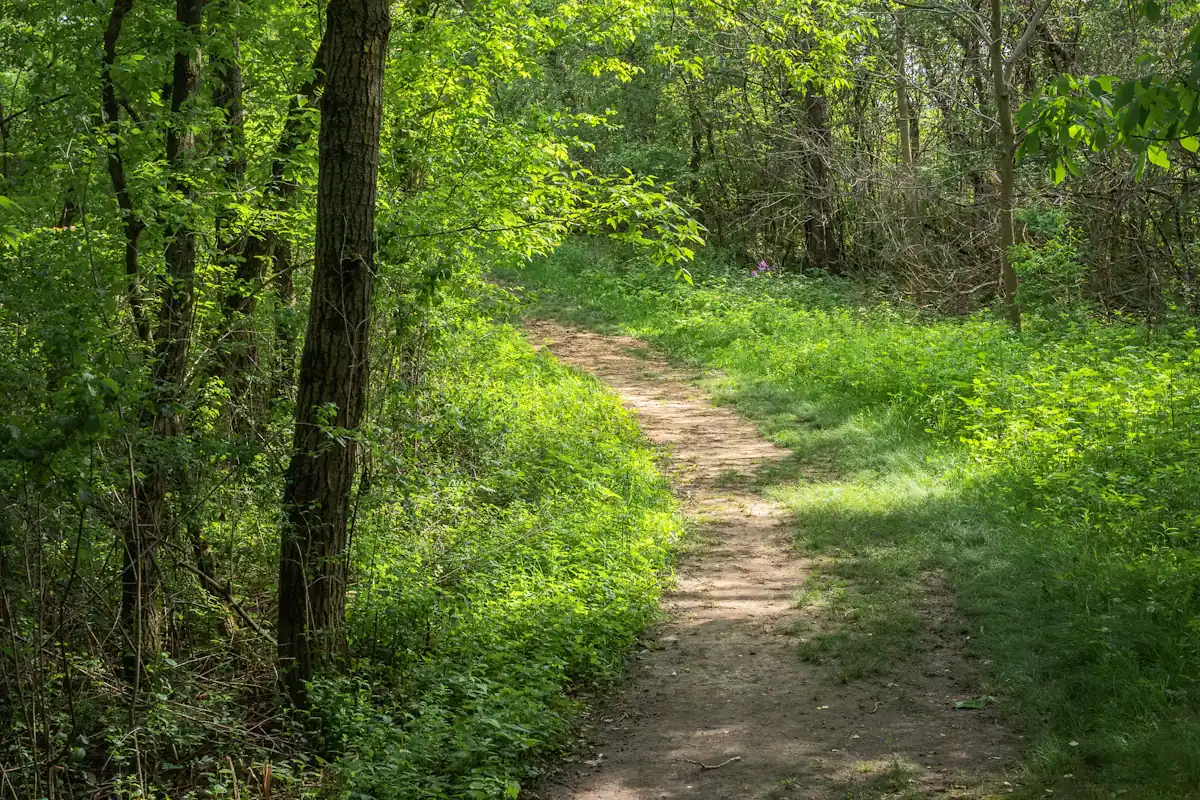
A narrow earth footpath running between tall trees in a deciduous forestUnsplash
A narrow earth footpath running between tall trees in a deciduous forest

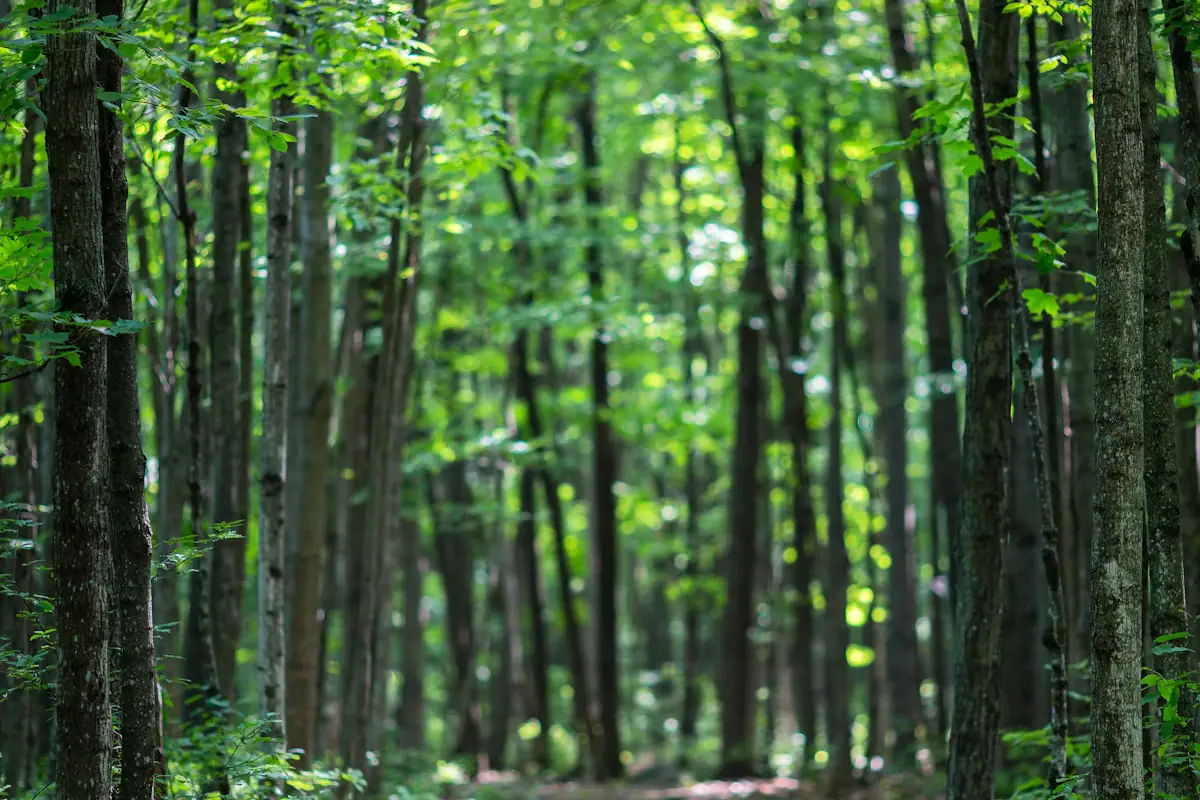
Blandford Nature Center sits about ten minutes from downtown on the northwest side and manages two hundred and sixty-four acres of meadow, wetland, working farm and forest, with more than seven miles of trail through it. It is the default answer for a family with two hours and no car-hire plans, and it is unusually good at the education side: wildlife that cannot be released back into the wild lives on site, and the farm is a real one.

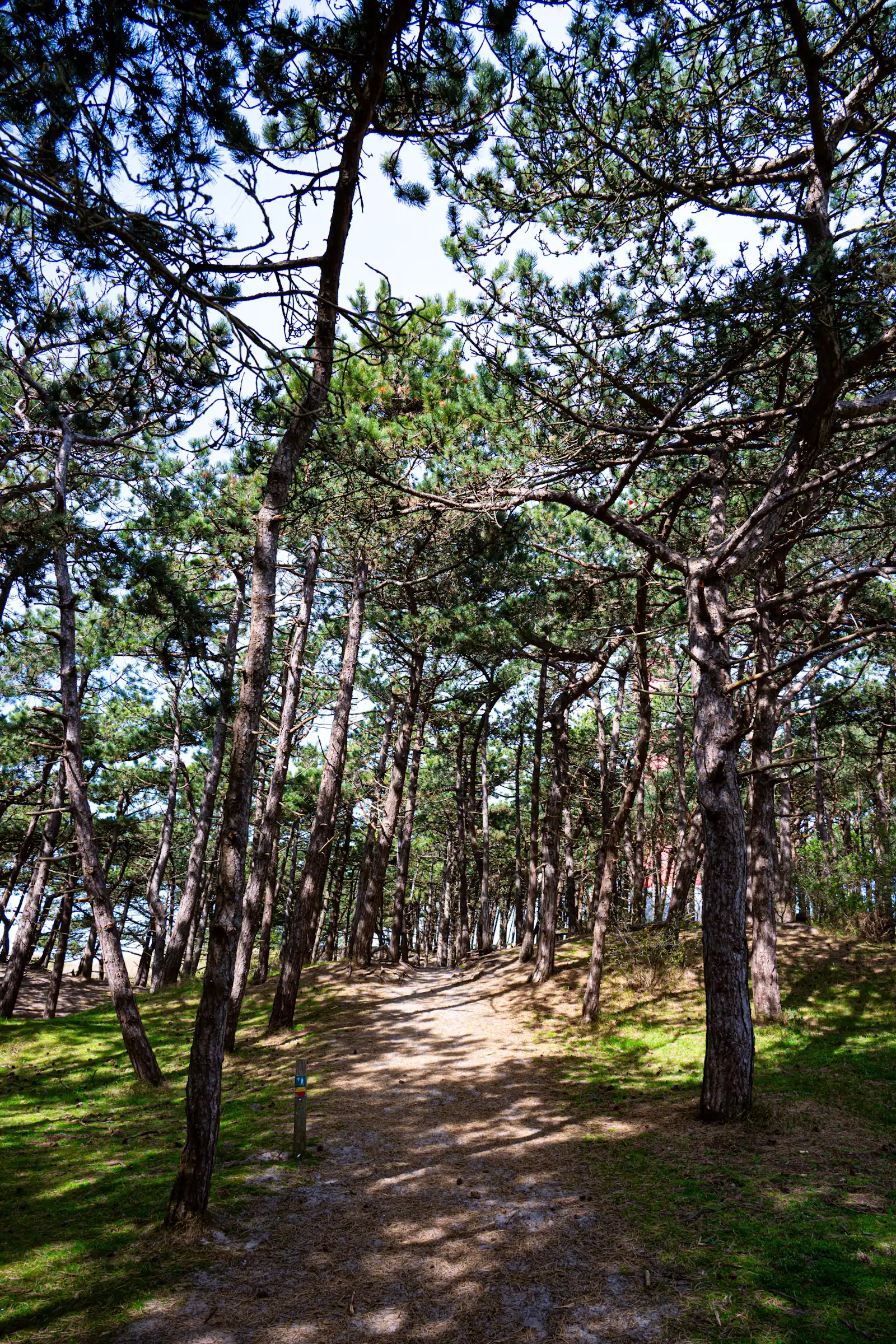
Beyond it, the city keeps a set of smaller woods that locals use and visitors never hear about. Provin Trails Park on the north side is sandy pine forest laid over old dune and moraine, quiet and good for running. Riverside Park gives you flat riverbank north of downtown with the best unobstructed views of the Grand in the city. Huff Park has a boardwalk over a wetland. Palmer Park and Richmond Park are neighbourhood spaces that tell you more about how Grand Rapids actually lives than any attraction does.

The useful mental model: nothing in this list is more than twenty minutes from a downtown hotel, most are free, and none of them will be crowded on a weekday. In a city where the headline attractions are a garden and a zoo that both charge admission, the free woodland is an underused half of the day.

The outdoor year, with the bad weeks included

When to go

Late March to mid-April is mud. Frost comes out of the ground, the unpaved trails turn to porridge and the wetland boardwalks are the only reliable footing. Paved trails are fine. Everything else is a wet-boot proposition.

Late April into early May is the best two weeks in spring, for one reason, which is the wildflower bloom at Aman Park and in the older woodlots. Cool, green, no insects yet.

June through August is warm and busy and comes with a bug tax. Mosquitoes are serious on the wetland trails at dusk, and ticks are a genuine issue in long grass across West Michigan now rather than a theoretical one. Long trousers on grassy trails, and check yourself afterwards. Millennium Park's beach is the summer centre of gravity.

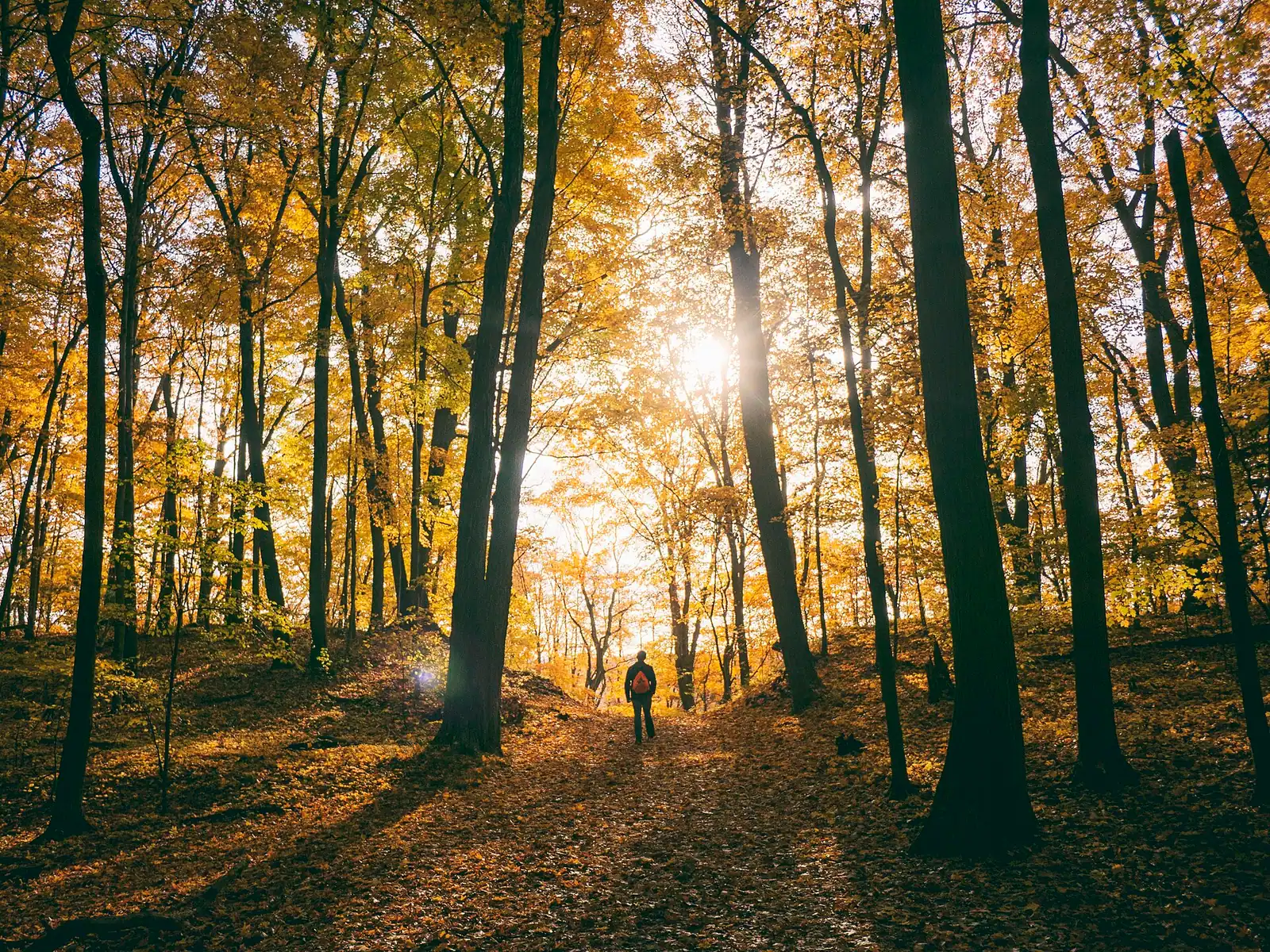
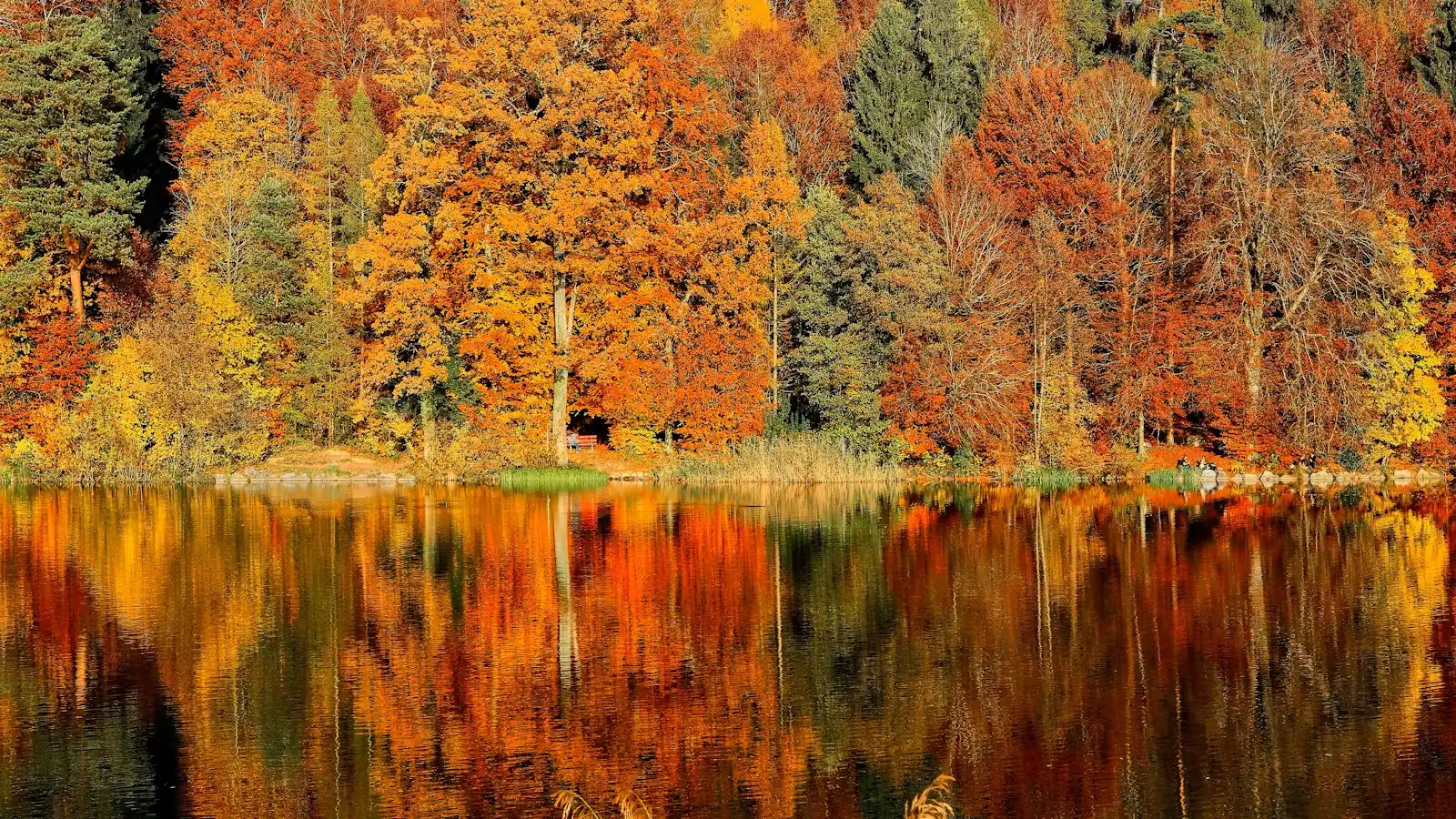
The second half of October is the best fortnight of the year outdoors. Colour peaks across Kent County in mid to late October, the insects are gone, the light is low and long, and the trail network is nearly empty on a weekday.

November to March closes most of this. Days are short, the ground freezes and then does not, and the useful outdoor activity shifts to snowshoe and cross-country ski on the same trails. The city sits at the western edge of the Eastern time zone, so the earliest sunset of the year comes just after five in early December. Plan any daylight activity for the morning.

Things worth knowing before you walk

Local tips

  • This city has hills. Heritage Hill is not a marketing name. The east side climbs away from the river on glacial moraine, and a walk that looks flat on a phone map is not. Cycling east from downtown is real work.
  • Check the river works before any downtown riverside plan. The lower reach construction between Fulton and Bridge started in June 2026 and runs about two years. Paths close and reopen in sections.
  • Ticks are the real hazard, not anything dramatic. Long trousers on grassy and brushy trails from May to September, and a check afterwards. Nothing else in these woods will bother you.
  • Poison ivy is common on the edges of trails in every park on this page. Learn the three leaves before you let a child off the path.
  • Millennium Park needs an entrance decision. It is large, the lots serve different ends, and the walk between them is longer than it looks. Choose beach or trails before you drive.
  • Aman Park rewards a weekday. At peak bloom the car park fills, and a small forest with a full car park is a different experience.
  • Bring water to the White Pine Trail. Trailheads have facilities at the towns and long stretches in between do not.
  • Free is the default. Most city parks and the trail network cost nothing. The paid attractions here are the gardens and the zoo, not the outdoors.

The Grand River, the fish ladder and the rebuild

Before you book

The city is named after rapids that no longer exist. A series of dams built from the middle of the nineteenth century to power the furniture mills drowned them, and what runs through downtown now is a slow, wide, flat river.

At the Sixth Street Dam, on the west bank, sits one of the odder pieces of public art in the Midwest. Joseph Kinnebrew's fish ladder, built in the mid-1970s, is a working fish passage and a walk-through concrete sculpture at the same time: you stand directly over stepped pools and watch salmon throw themselves up two flights of them. Chinook and coho run roughly from early September to late October. Steelhead follow from early November into mid-December, then again from mid-February to late April. It is free, it takes ten minutes, and in the right week it is the best thing happening outdoors in the city.

Now the caution. The project to restore the rapids broke ground on its lower reach in June 2026, running from Fulton Street to Bridge Street through the heart of downtown, and is expected to take about two years. Dams are coming out and engineered rock structures are going in. For the whole of that period, expect closed sections of riverside path, fencing, construction traffic and a river that looks like a work site because it is one.

Plan accordingly. Do not build an itinerary around a continuous riverside walk downtown, and check the current state of the fish ladder access before you go, because the works are in the same stretch of water.

The long trails, and which one suits which day

How they compare

West Michigan's rail corridors were abandoned in the same wave that closed the furniture factories, and the state and county bought the beds. The result is a trail network out of proportion to the city.

TrailLengthWhere it startsBest for
Fred Meijer White Pine Trail State Park92 milesComstock Park, 15 minutes northLong paved riding; Michigan's second-longest rail trail, on the old Grand Rapids & Indiana bed
Kent TrailsRoughly 15 milesMillennium Park and the southwest sideAn easy half day linking parks without touching a main road
Millennium Park's internal networkAbout 18 milesInside the parkMixed paved and unpaved loops, no traffic at all
Riverside and downtown riverbank pathsShort sectionsNorth of downtownShort walks, but check closures during the river works

The White Pine is the one worth a deliberate morning. Ride north from Comstock Park and within half an hour you are through Rockford, a small river town with a dam, a cider mill in autumn and somewhere to eat, which makes an easy out-and-back with a reason to stop in the middle. The surface was reported fully paved as of spring 2025, so a road bike is fine.

Hire is the weak link. Grand Rapids has bike shops rather than a dense trailhead rental market, so arrange a bike before you arrive rather than assuming you can pick one up at the trail.

On the ground

Where to go

Every place below has its own page — hours, parking, what it costs and what to expect when you get there.

  • Tall tropical plants and palms growing under the glass roof of a large conservatory

    Park

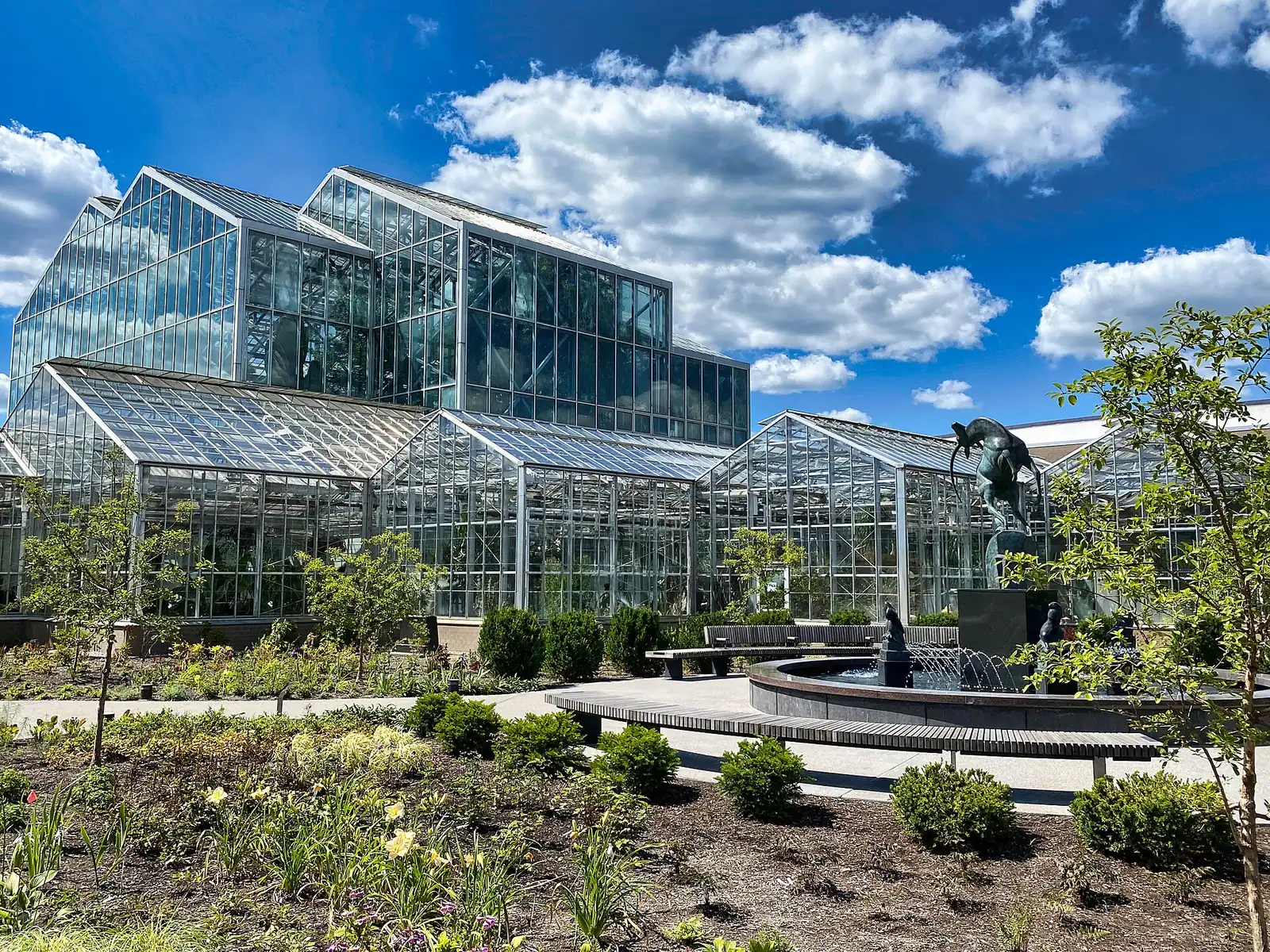
    Frederik Meijer Gardens & Sculpture Park

    A grocery fortune turned into 158 acres of Rodin, Oldenburg and orchids, plus the one glasshouse in Michigan that fills up in February.

    2.5–5 hoursAround $20–25 per adult, with lower rates for seniors, children and members

  • Orange and white koi swimming in a shallow garden pond

    Park

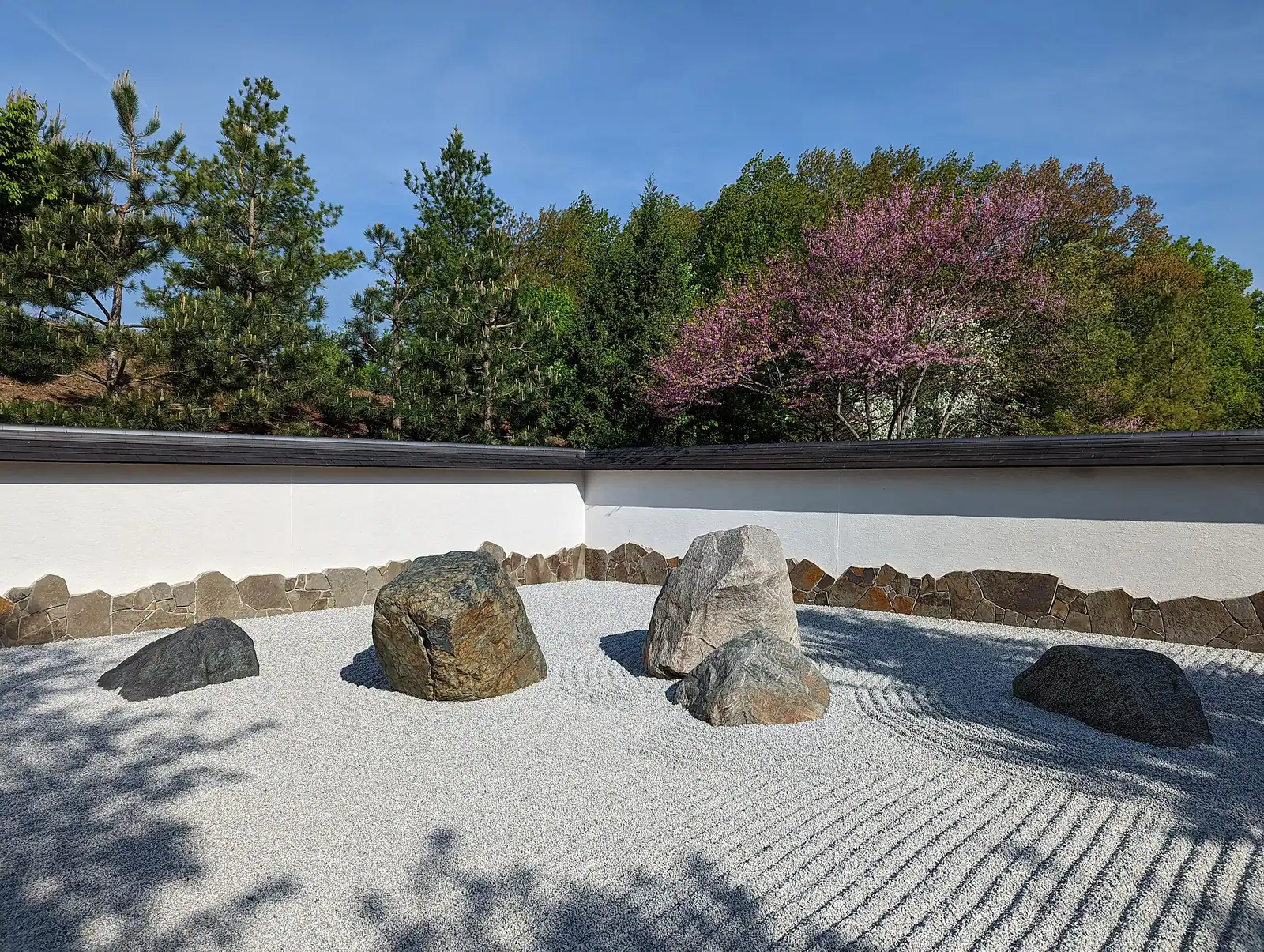
    Richard & Helen DeVos Japanese Garden

    Eight acres by Hoichi Kurisu, with four waterfalls, a teahouse built in Japan and a Zhang Huan head sitting in the moss.

    1–1.5 hoursIncluded in general admission to Meijer Gardens; there is no separate Japanese Garden ticket

  • A small town of pale rooftops and a church spire seen from above, wrapped by wooded hills and river water

    Beach

    Free

    Saugatuck

    A hand-cranked ferry across the Kalamazoo River, 302 steps up a dune to a Cold War radar dome, and a beach on the far side.

    5–10 hoursThe town is free to walk; the ferry, beach parking and the state park each charge separately.

  • A lighthouse rising above a harbour-side building at the water's edge

    Beach

    Free

    Grand Haven

    Forty minutes west of the city: two red lights on a pier, a boardwalk along the channel and a fountain that plays to music after dark.

    4–10 hoursThe town, boardwalk, pier and fountain are free. The state park charges vehicle entry.

  • Purple flower heads standing above green foliage in a planted border

    Landmark

    Holland, Michigan

    Thirty miles south-west: a 250-year-old Dutch windmill that still grinds flour, and a downtown whose pavements are heated from below.

    4–10 hoursThe town and beaches are free; Windmill Island Gardens and the state park charge separately

  • A child watching a tiger through the glass of a zoo enclosure

    Wildlife

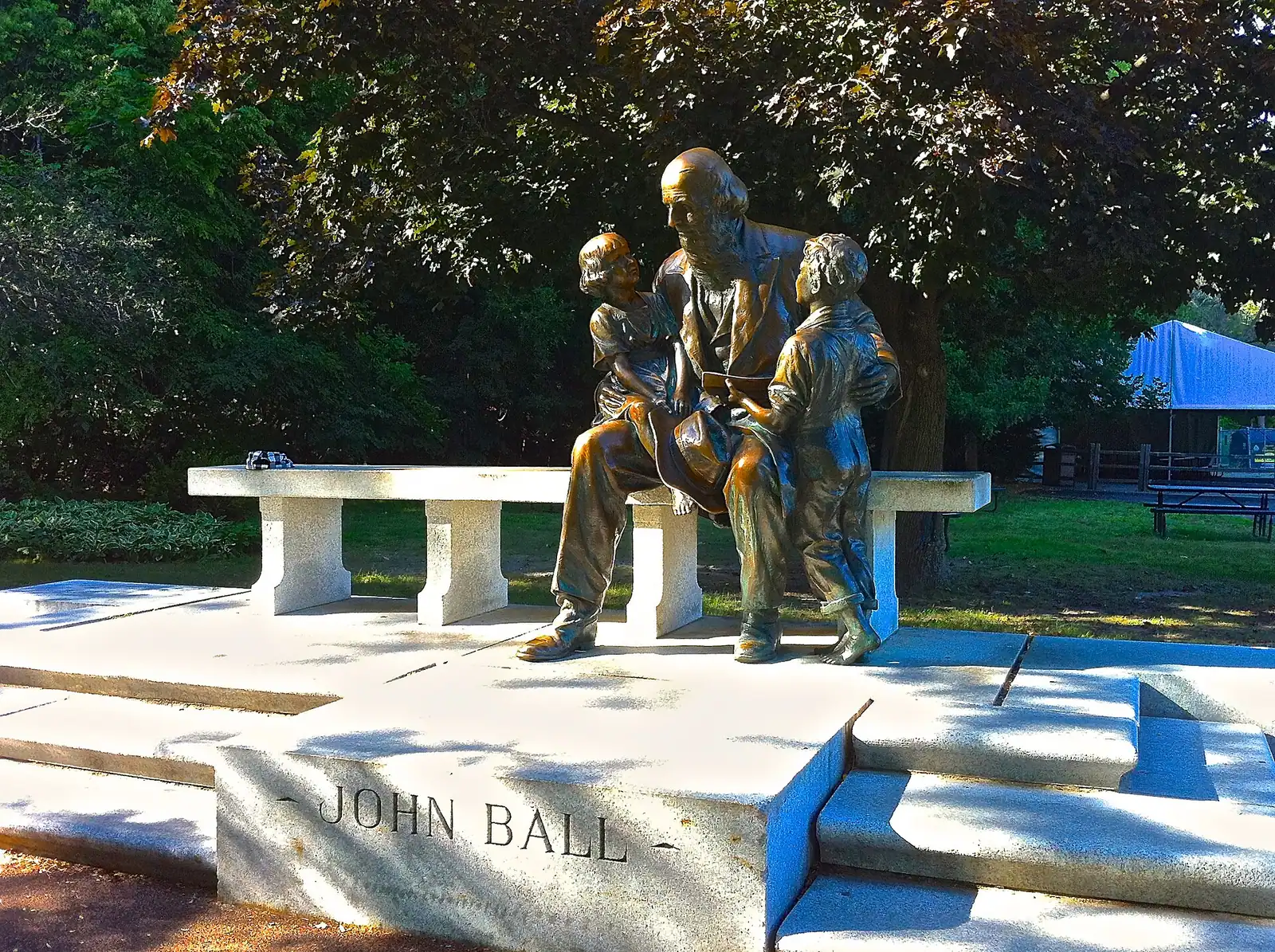
    John Ball Zoo

    A zoo built into a hillside, where a funicular carries you to the top so the rest of the day is downhill.

    2.5–4 hoursAround $22–27 per adult in season; lower for seniors and children, under-threes free

  • A blue steel pedestrian bridge crossing a river in front of downtown buildings

    Trail

    Free

    Grand River Riverwalk

    A downtown loop on both banks of a river that is currently being torn up so it can have its rapids back.

    1–1.5 hoursFree. Parking is the only cost and that is a downtown ramp

  • A woodland path covered in fallen autumn leaves between bare trees

    Nature preserve

    Blandford Nature Center

    Two hundred and sixty-four acres of woodland inside the city limits, with a sugarhouse that boils sap from late February.

    1.5–3 hoursAround $5 per person; members and the youngest children free

  • A sandy beach on calm inland water with trees along the far shore

    Park

    Millennium Park

    Fifteen hundred acres of former gypsum mine and gravel pit, now West Michigan's largest urban park, with a swimming beach in the middle.

    1.5–5 hoursPark free; the beach and splash pad area carries a daily charge

  • A river running past open ground with city buildings rising behind

    Park

    Free

    Ah-Nab-Awen Park

    Six and a half acres on the west bank whose name means resting place, with grass mounds that stand for the burial mounds once here.

    0.5–1 hoursFree. Some festivals held in the park are separately ticketed

  • Green trees crowding down to the edge of still river water under a bright sky

    Park

    Free

    Riverside Park

    A hundred acres of riverbank ten minutes north of downtown: free disc golf, a kayak launch and a paved route to the White Pine Trail.

    1–3 hoursFree, including the eighteen-hole disc golf course and the boat launch.

  • Tall pine trunks and open understorey in a sunlit stretch of sandhill forest

    Trail

    Free

    Provin Trails Park

    Forty-six acres of pine and glacial sand where the city goes to ski when the lake-effect snow arrives, ten minutes from the East Beltline.

    1–2 hoursNo admission charge for the park or the trails.

Straight answers

Questions people actually ask

What is the biggest park in Grand Rapids?

Millennium Park, at roughly 1,500 acres on the southwest side, which makes it the largest urban park in West Michigan. It sits on worked-out gypsum mine and gravel pit land, and the lakes in it are flooded excavations. There are about eighteen miles of trail, a six-acre swimming beach with a splashpad, and boat rental in season. It is about fifteen minutes from downtown.

Can you see the rapids in Grand Rapids?

Not yet. The rapids the city is named for were drowned by dams built to power the furniture mills, and the river downtown is flat. The project to rebuild them broke ground on its lower reach, from Fulton Street to Bridge Street, in June 2026, with dam removals and engineered rock structures, and is expected to take around two years. Until then, expect a construction site rather than whitewater.

Where can you see salmon in Grand Rapids?

At Fish Ladder Park on the west bank at the Sixth Street Dam, where Joseph Kinnebrew's mid-1970s sculpture doubles as a working fish passage you can stand directly above. Chinook and coho run roughly from early September to late October, steelhead from early November into mid-December and again from mid-February to late April. It is free. Check access during the river construction.

When do the wildflowers bloom at Aman Park?

Usually in the second half of April into early May, though it moves by up to a fortnight depending on the spring. The display covers around seventy-five spring-blooming species, including trillium, Virginia bluebells, trout lily and dutchman's breeches, across about 331 acres of mature forest six miles west of the city. Wear boots; the Sand Creek crossings are wet at exactly that time of year.

Are there good bike trails in Grand Rapids?

Yes, mostly on abandoned rail beds. The Fred Meijer White Pine Trail State Park runs 92 paved miles from Comstock Park to Cadillac on the old Grand Rapids & Indiana line and is Michigan's second-longest rail trail. Kent Trails covers about fifteen miles on the southwest side, and Millennium Park holds another eighteen internally. Arrange bike hire in advance; trailhead rental here is limited.

Is Grand Rapids flat?

The west side and the river corridor are. The east side is not. The city sits on glacial moraine, which is why Heritage Hill has that name and why a walk east from downtown climbs more than a map suggests. On a bicycle the difference is obvious within a few blocks. Plan walking routes along the river if you want flat, and expect gradients anywhere east of Division Avenue.

What is the best time of year for outdoor activities in Grand Rapids?

The second half of October, by a clear margin. Autumn colour peaks across Kent County in mid to late October, the mosquitoes and ticks are finished, and the trail network is quiet on a weekday. Late April into early May is the runner-up for the spring wildflowers. Avoid late March and early April, when the frost comes out of the ground and the unpaved trails turn to mud.

Do I need to worry about ticks in Grand Rapids parks?

Enough to take the ordinary precautions. Ticks have become a real presence in West Michigan grass and brush rather than a theoretical one, and the season runs roughly May to September. Wear long trousers on grassy and brushy trails, stay on the path where there is one, and check yourself and any children afterwards. Poison ivy is the other common nuisance and grows along most trail edges here.