Wildlife
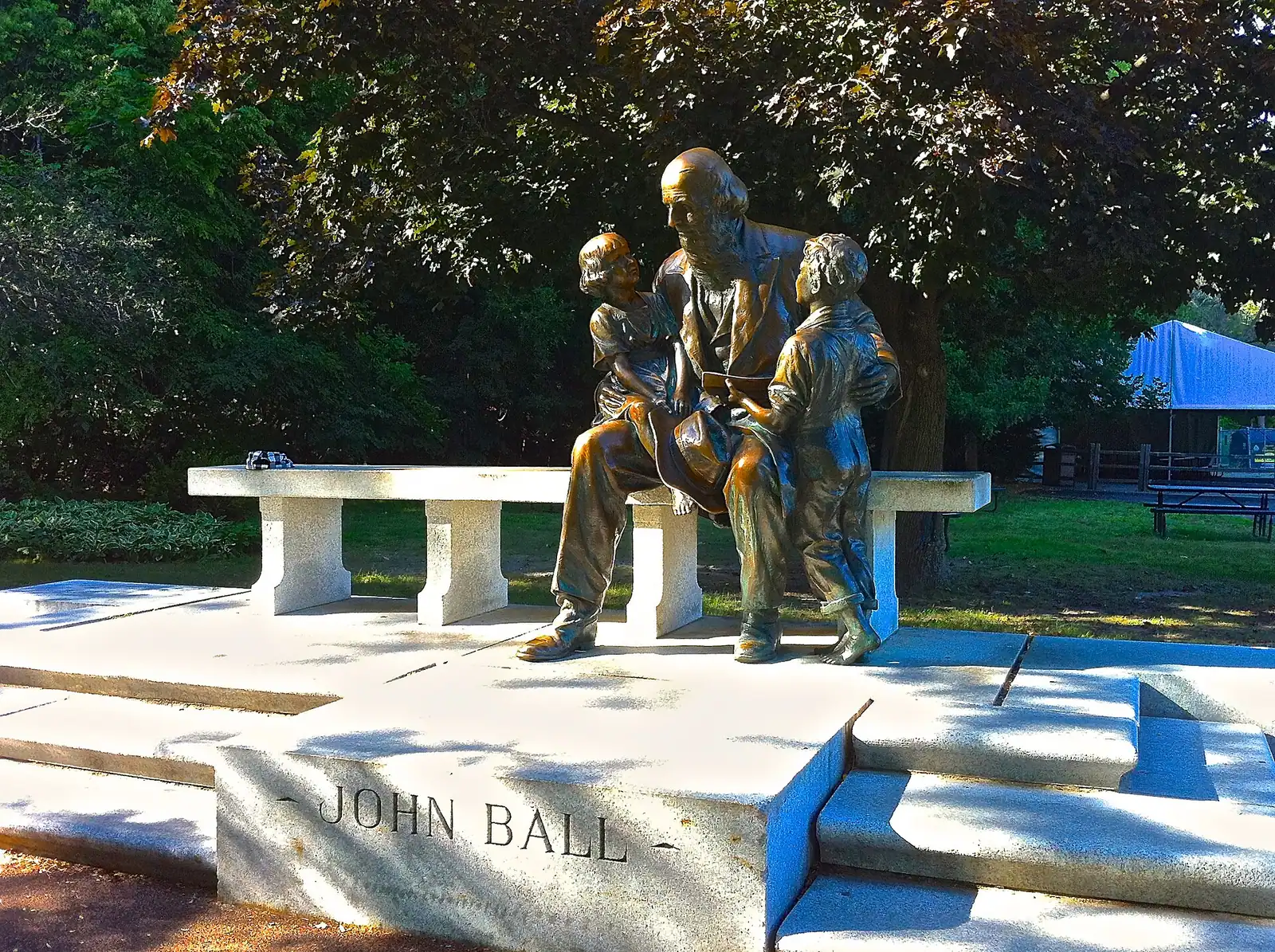
John Ball Zoo
A zoo built into a hillside, where a funicular carries you to the top so the rest of the day is downhill.
2.5–4 hoursAround $22–27 per adult in season; lower for seniors and children, under-threes free2.8 mi away
Park
Last updated
Fifteen hundred acres of former gypsum mine and gravel pit, now West Michigan's largest urban park, with a swimming beach in the middle.
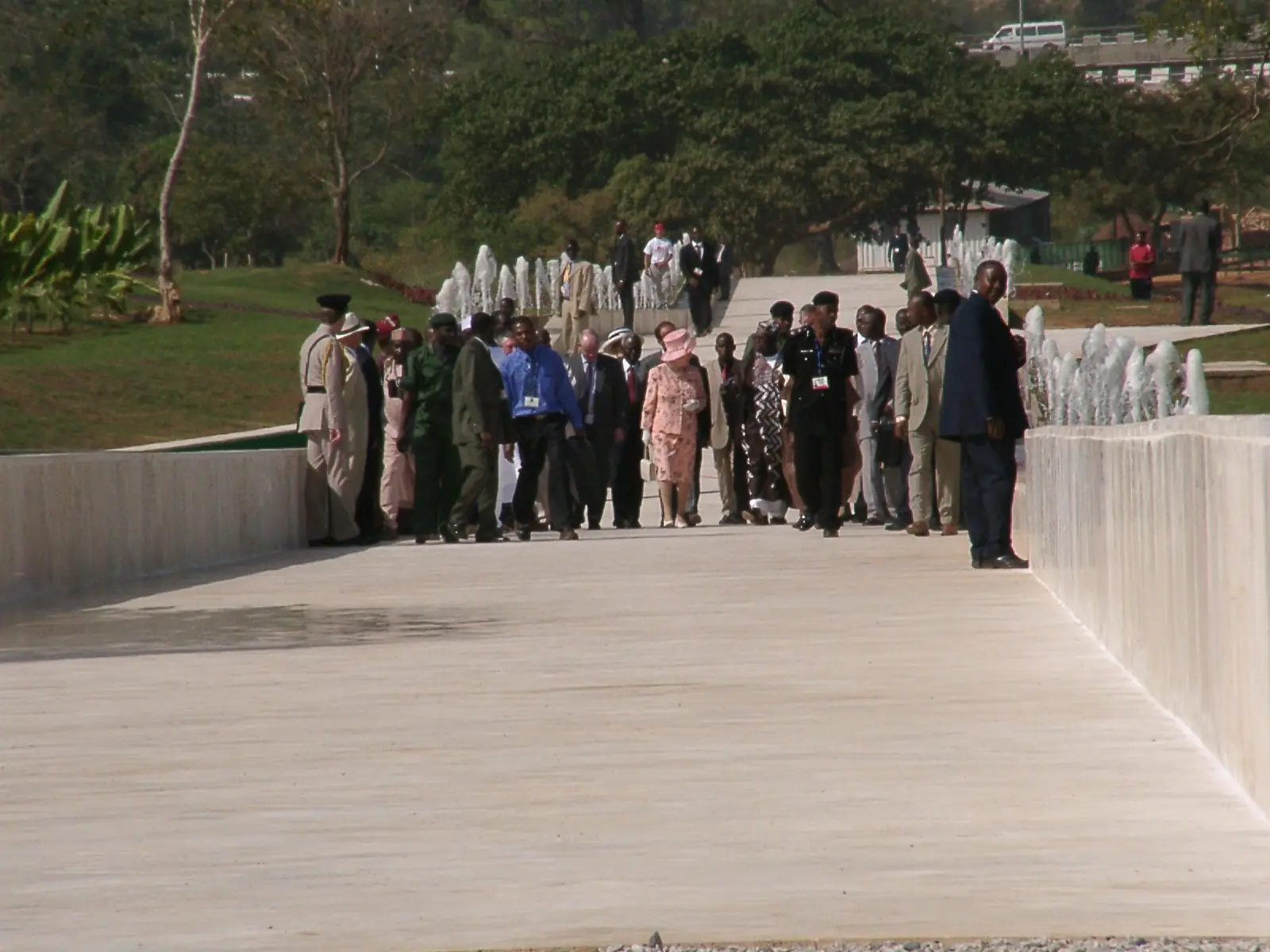
Photo: Elenagiussani at English WikipediaPublic domain
This land was mined. Gypsum came out from under it and gravel came out of it, and by the end of the twentieth century the southwest edge of Grand Rapids was a patchwork of abandoned pits, spoil and flooded workings. Planning started in 1998 out of the county parks department, the pieces were assembled with millennium funding, and the park opened in July 2004. It now runs to about 1,500 acres across the boundaries of Grand Rapids, Wyoming, Grandville and Walker, with roughly six miles of Grand River frontage. Complete, it will be about twice the area of Central Park.
That origin explains the landscape. The lakes here are flooded gravel pits with clean, steep-sided water; the rolling ground is spoil that has been shaped and planted; the flat runs are old haul roads. Twenty-five years of growth have softened it convincingly, and a first-time visitor will mostly notice woods, water and meadow rather than industry.
The centrepiece is a six-acre sand beach with a large splash pad beside it. This is an inland swimming beach on a former quarry lake, not the Lake Michigan shore, and the distinction matters: the water is calmer, warmer earlier in the season and entirely without surf. There is a daily admission charge for the beach and splash pad area and season passes are sold. Everything else in the park — the eighteen or so miles of trail, the playground, the picnic shelters, the fishing dock, the boardwalk — is free.
Boat rentals operate from the boating centre through the summer, mostly paddle craft on the quarry lakes rather than anything with a motor.
It is a locals' park more than a visitors' one, which is exactly why it is worth an afternoon if you have a car and a family.
The park sits on the southwest side of the metropolitan area, spanning ground in Grand Rapids, Wyoming, Grandville and Walker. It is roughly fifteen minutes from downtown by car and there is no practical transit option.
There are several entrances, and this is the detail that catches people out: the beach and splash pad entrance is not the same as the trail and boating entrances, and they are a drive apart across 1,500 acres. Decide what you are doing before you set a destination.
From I-196 or US-131, head southwest and follow the county park signs. Parking is free at the trail entrances; the beach area carries its own admission charge which covers the parking beside it. On a hot July Saturday the beach lot fills by early afternoon.
Six acres of sand on a former quarry lake, with a large splash pad next to it and a lifeguarded swimming area in season.
This is not Lake Michigan. That distinction saves visitors a lot of confusion. The big lake beaches at Grand Haven, Holland and Saugatuck are thirty to forty-five minutes west and offer surf, dunes, sunsets over open water and cold water into July. Millennium Park's lake is small, sheltered, warms up weeks earlier, has no waves at all, and has a splash pad and a car park two hundred yards away.
For a family with small children, the second option is often better. Nobody gets knocked over. The water is clear because it is a flooded gravel pit rather than a river, and it shelves gently from the sand.
There is a daily admission charge for the beach and splash pad area, with season passes available. The rest of the park costs nothing. Hours for the beach are seasonal and run roughly from late spring to early autumn, with lifeguard cover only within posted hours.
On a hot Saturday in July the beach lot fills and the queue is real. Weekday mornings are calm.
Gypsum has been mined around Grand Rapids since the 1840s, and the deposits on this side of the city ran under the ground the park now sits on. Gravel operations worked the surface. By the 1990s the result was a substantial area of degraded, fenced-off industrial land inside a growing metropolitan area, including the former Domtar mine.
The park began in 1998 as an idea in the county parks department: rather than let the pieces be sold off individually, assemble them. The Secchia Millennium Commission took the proposal, the county board approved it, and the first phase opened in July 2004.
It is one of the larger post-industrial reclamations in the American Midwest and it is unusually invisible as one. There is no interpretive trail making a point of it, and most visitors on a summer Saturday have no idea they are swimming in a gravel pit.
That is arguably a missed opportunity. It is also a fairly good measure of how well the reclamation worked: twenty-odd years in, the landscape reads as landscape.
Straight-line distances, so allow more on the road — the island is long and has one main parkway.
Wildlife
A zoo built into a hillside, where a funicular carries you to the top so the rest of the day is downhill.
2.5–4 hoursAround $22–27 per adult in season; lower for seniors and children, under-threes free2.8 mi away
Nature preserve
Two hundred and sixty-four acres of woodland inside the city limits, with a sugarhouse that boils sap from late February.
1.5–3 hoursAround $5 per person; members and the youngest children free3.5 mi away
Trail
A downtown loop on both banks of a river that is currently being torn up so it can have its rapids back.
1–1.5 hoursFree. Parking is the only cost and that is a downtown ramp3.9 mi away
Beach
Forty minutes west of the city: two red lights on a pier, a boardwalk along the channel and a fountain that plays to music after dark.
4–10 hoursThe town, boardwalk, pier and fountain are free. The state park charges vehicle entry.26 mi away
Where this place fits into a day, and the pages that plan one.
Guide hub
Furniture paid for this city, and then it paid for everything worth coming to see in it. That is the single idea a visitor needs. Grand Rapids made…
Who it suits
Grand Rapids is better with children than its reputation suggests, and the reason is the same reason it is better with adults: a century of local…
Budget
The free list in Grand Rapids is not the list you fall back on when the museum tickets are too expensive. In this particular city it contains three…
Things to do
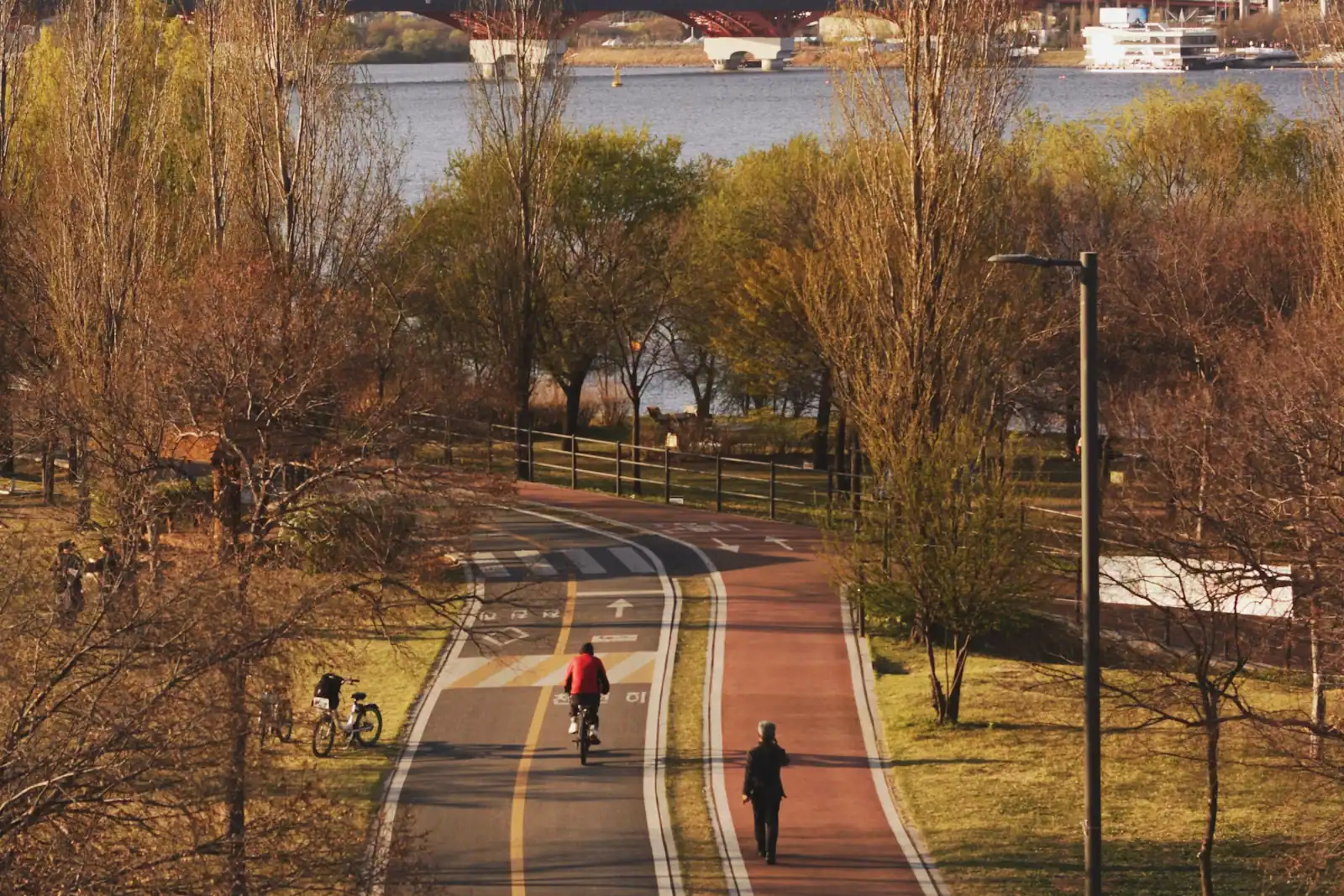
Almost nothing green in Grand Rapids is original. The largest park in the city is fifteen hundred acres of former gypsum workings and gravel pits…
Things to do
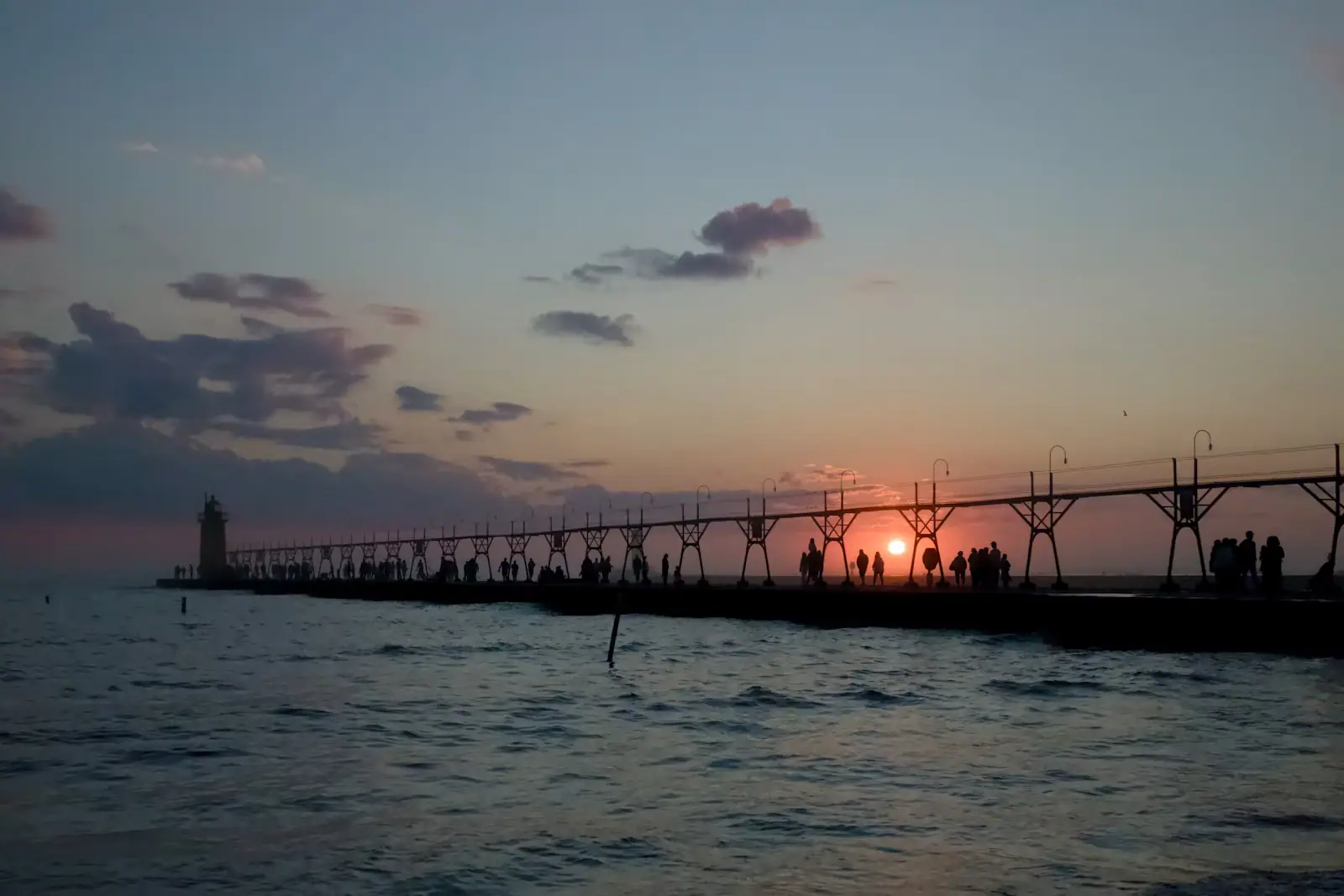
You are staying in a city thirty miles from the third largest lake in North America, and that is a very different proposition from staying on it…
Guide
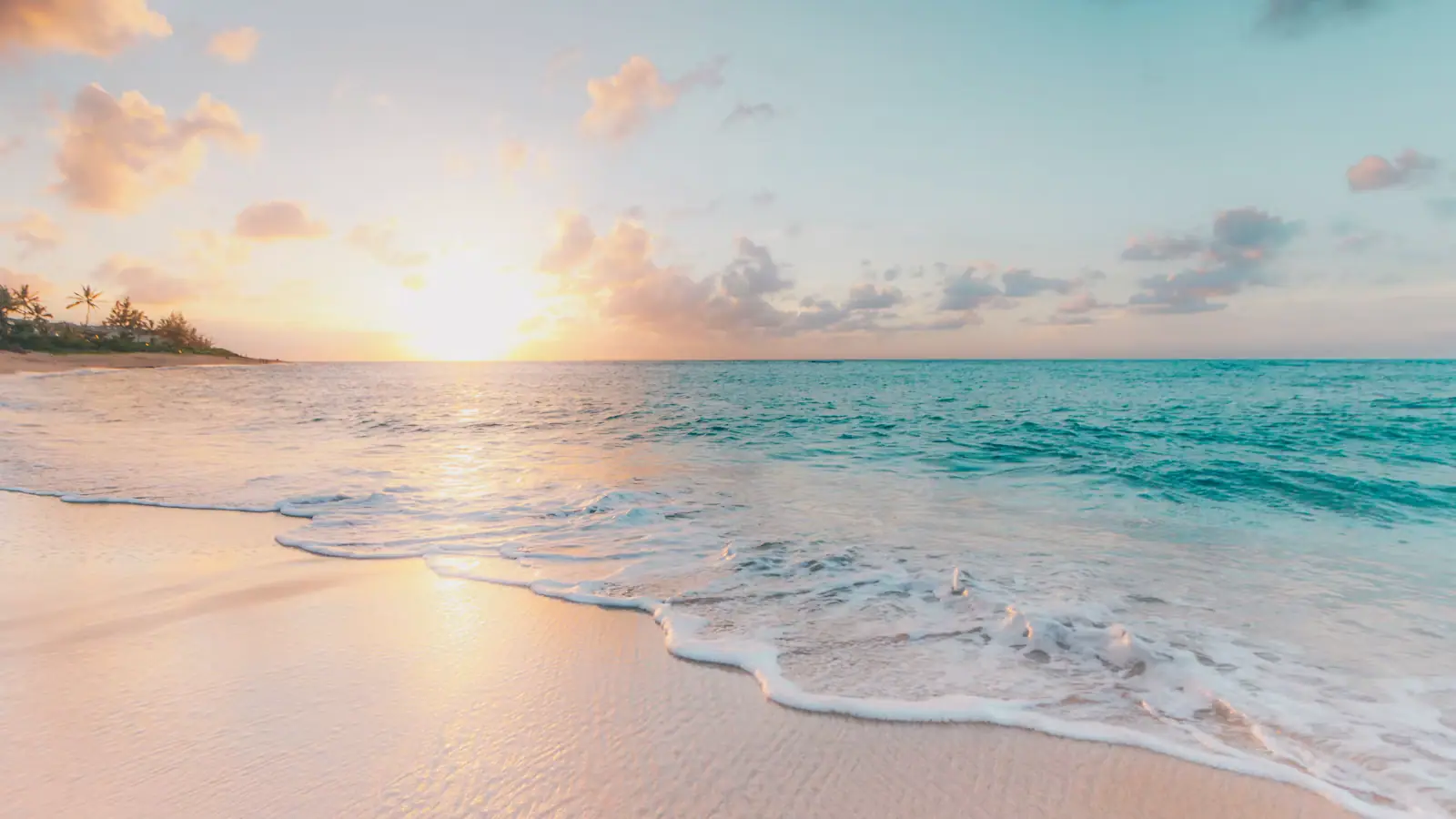
Four very different towns sit within forty-five minutes of downtown. Picking the wrong one for what you want is the most common way a Michigan beach day goes flat.
5 min readTheo Brandsma

Guide
A restored Frank Lloyd Wright house, an art museum one day a week, the first artwork the NEA ever helped pay for, and a Maya Lin park you can skate on. None of it costs anything.
5 min readIlse Hoekstra

Guide
The zoo shuts for the winter, the carousel does not, and the best hour of a family day here costs three dollars and runs on a platform out over the river.
5 min readMarguerite Vanderhoff
Yes, a six-acre sand beach with a large splash pad beside it, on a former quarry lake rather than on Lake Michigan. The water is sheltered, warms up weeks earlier than the big lake and has no surf, which makes it easier with small children. There is a daily admission charge for the beach and splash pad area, with season passes available, while the rest of the park is free.
Mostly. The eighteen miles of trail, the playground, the picnic shelters, the boardwalk and the fishing dock all cost nothing, and parking at the trail entrances is free. The beach and splash pad area carries a daily charge, and boat rentals from the boating centre are priced separately. Verify current rates with Kent County Parks before you go, since the beach fee has changed over the years.
About 1,500 acres, spread across ground in Grand Rapids, Wyoming, Grandville and Walker, with roughly six miles of Grand River frontage. It is the largest urban park in West Michigan and, when complete, will be around twice the size of New York's Central Park. The scale means the beach entrance and the trail entrances are a drive apart, so pick your destination before setting a satnav.
Gypsum mines and gravel pits. Gypsum has been worked around Grand Rapids since the 1840s and the deposits ran under this ground, including the former Domtar mine, with gravel operations on the surface. Planning to assemble the abandoned pieces into one park began in 1998 and the first phase opened in July 2004. The lakes people swim in are flooded quarry workings, which is why the water is clear and steep-sided.