Dining district
Free
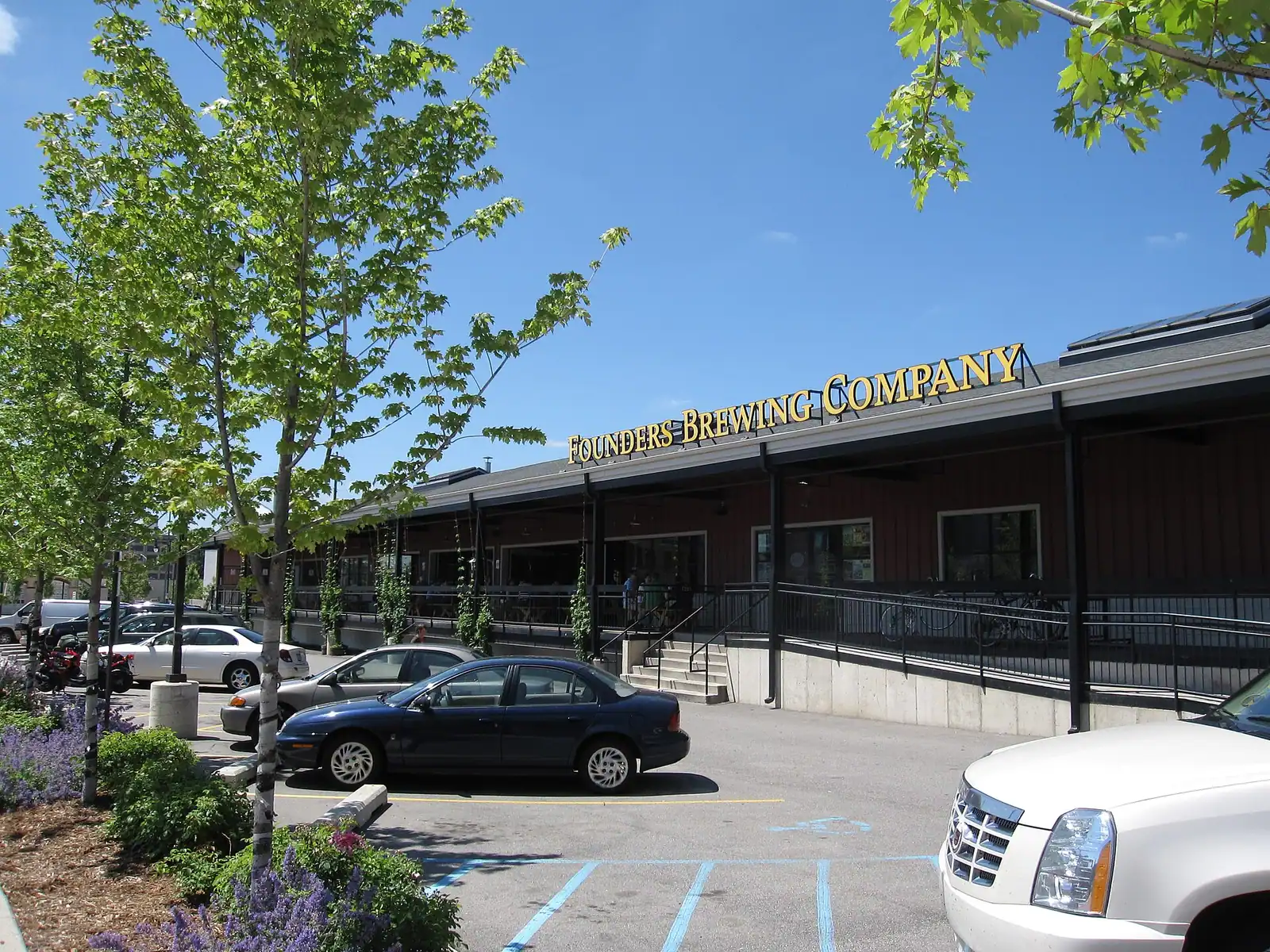
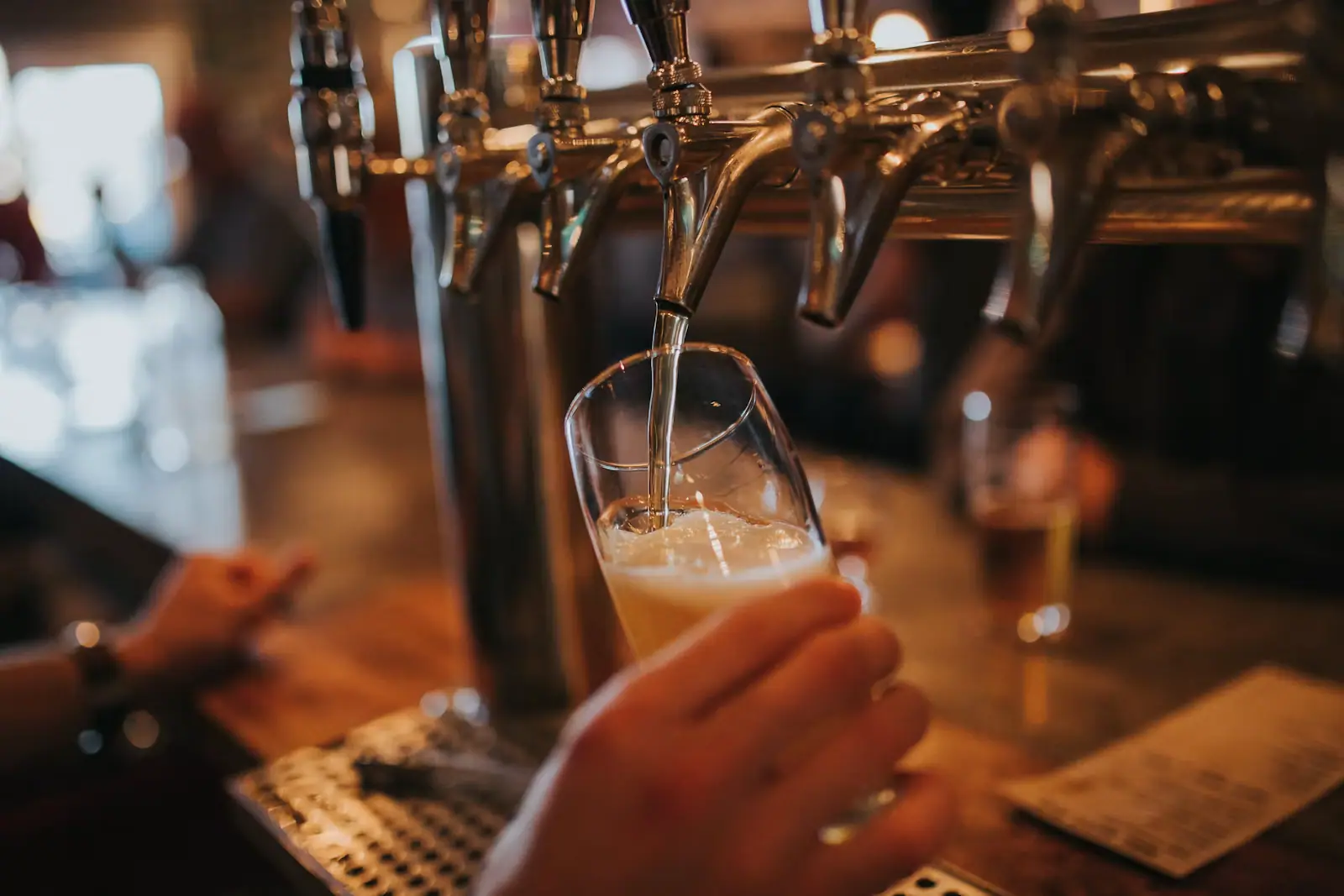
Founders Brewing Co. Taproom
A converted trucking depot laid out like a German beer hall, and the address that turned Grand Rapids into Beer City.
1–2.5 hoursFree to enter; you pay for what you drink
Things to Do
Where to eat in Grand Rapids by neighbourhood: the Division Avenue taquerias, Bridge Street, Uptown, the Downtown Market, and the wet burrito argument.
 Unsplash
The honest framing first. Grand Rapids is not a city you fly to for dinner, and a guide that pretends it competes with Chicago three hours west is wasting your evening. What it is instead is a city where eating well is unusually easy and unusually cheap, because forty breweries spent fifteen years competing on food as much as on beer, and because the kitchens that had to survive that competition ended up better than a market this size would normally support.
The second thing to understand is that the good eating is not downtown. Downtown Grand Rapids is offices, an arena, a convention centre and a medical campus, and it empties at six. The restaurants that people here actually argue about sit in four places: the Uptown districts on the hill east of the river, the Bridge Street strip on the West Side, the Division Avenue corridor running south, and the market hall on Ionia. Pick your neighbourhood before you pick your restaurant and the whole city becomes easier.
Third, and this is the part almost no visitor guide covers: the best value food in Grand Rapids is Mexican, and it is on South Division Avenue through Burton Heights. This is a working corridor of taquerias serving a large and long-established Mexican and Central American community, and it is roughly four miles from the hotels, which is exactly far enough that most visitors never learn it exists. Go. A plate there costs less than a downtown appetiser.
Fourth, the city has one real claim on the American menu. The wet burrito, the smothered, sauce-and-cheese-covered thing you find on menus across the Midwest, is widely credited to the Beltline Bar here in 1966. The claim is disputed, southern California has a competing story, and the Beltline says it has served something like six million of them since. Whatever the truth of the origin, this is where the dish is a local institution rather than a curiosity, and ordering one is a legitimate reason to drive out to 28th Street.
Fifth, a warning about timing that catches visitors out every week. Grand Rapids eats early. Kitchens fill at six, thin out by half past eight, and a surprising number of good rooms close entirely on Sunday and Monday. In summer the light misleads you, because this city sits at the western edge of the Eastern time zone and the sun is still up past nine, so it never feels as late as the kitchen thinks it is.
A wet burrito is a flour-tortilla burrito that arrives on a plate under a ladle of red sauce and a blanket of melted cheese, eaten with a knife and fork because it cannot be picked up. Across Michigan and much of the Midwest it is simply a menu category. Outside that radius, people who order one are often surprised by what turns up.
The Beltline Bar out on 28th Street claims to have introduced it in 1966 and says it has served something close to six million since. The origin stories the restaurant and the city tell vary in detail. One version has a delivery of oversized tortillas that had to be used up. Another has a cook responding to truckers complaining that regular burritos were too dry. Food historians who have looked at it properly point out that southern California had smothered burritos in the same era, and that a dish this obvious probably occurred to several kitchens at once.
The claim is therefore contested and this page is not going to settle it. What is not contested is that Grand Rapids adopted the thing completely. It is on menus across the metro area, generations of people here grew up eating it, and the Beltline is a genuine institution rather than a tourist stop, which you can tell from the age range of the room.
If you eat one thing in this city that you could not have eaten at home, make it this. Then, because the version on South Division is a different and arguably better proposition, eat there too and form your own view.
 Unsplash
Roosevelt Park and Burton Heights, running south from downtown along Division Avenue, hold the densest and cheapest good eating in Grand Rapids. This is not a restaurant district assembled for visitors. It serves a Mexican and Central American population that has been here for decades, and the quality follows from that rather than from any marketing.
Taqueria San Jose at 1338 Division Avenue S works out of a very small building under a green awning and is the name locals reach for first. Tacos El Cunado has a site on Burton Street SW and several others, and is the reliable all-rounder. Taquero Mucho, further south at 3536 Division Avenue S, and El Burrito Gigante round out the corridor with birria, gorditas and tortas.
Three practical notes. Counter service is the norm, so do not wait to be seated. Cash is worth carrying even where cards are taken. And the aguas frescas are not an afterthought here, so order one rather than a soda.
What makes this worth the four-mile drive is not novelty. It is that a full plate with a drink costs about what a single downtown starter does, and the cooking is better. If you are in Grand Rapids for three days and eat only in the districts the hotels recommend, this corridor is the thing you will have missed.
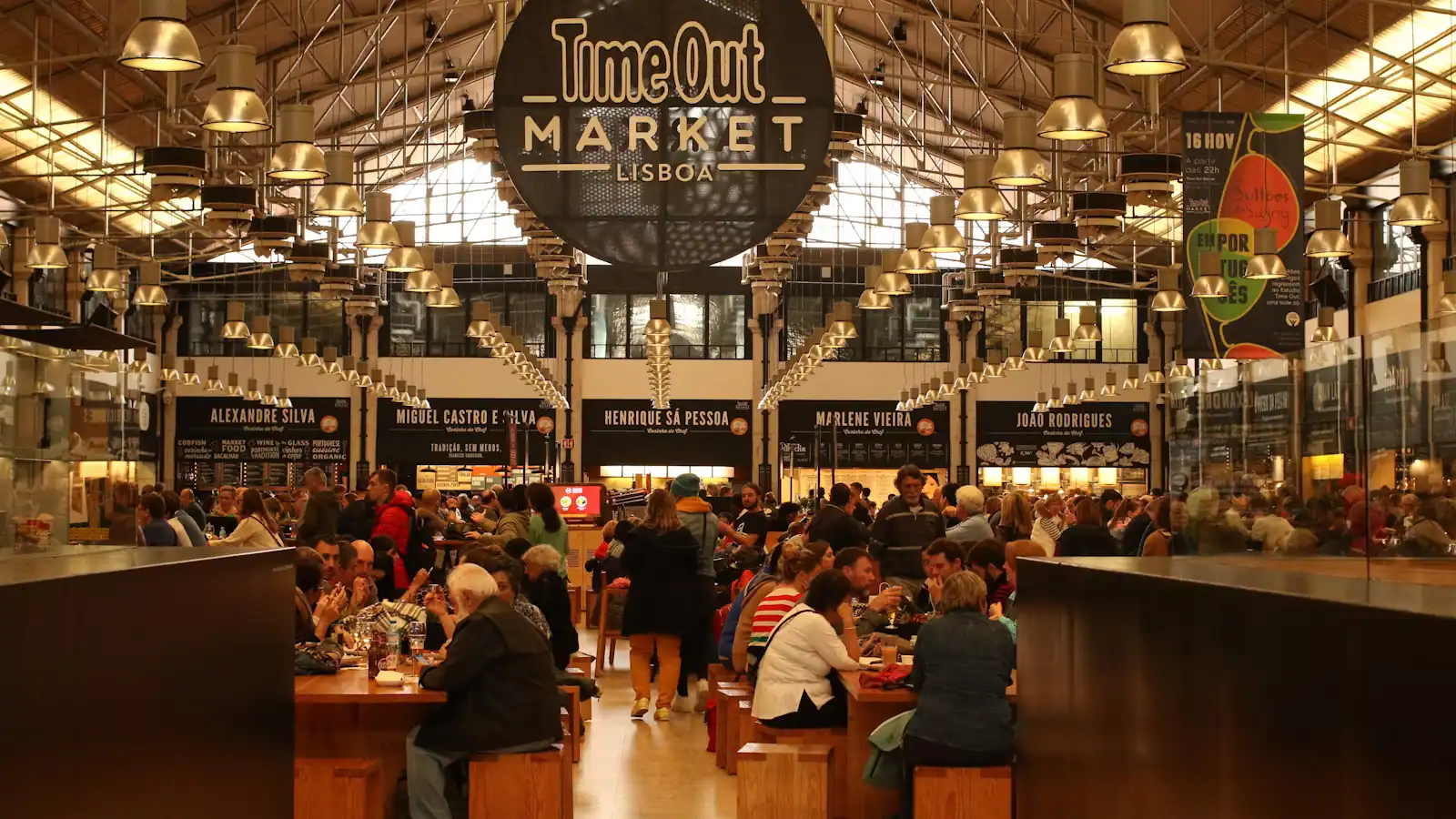
The market hall at 435 Ionia Avenue SW holds somewhere north of twenty food merchants under one roof, with greenhouses on the top floor and a teaching kitchen used to incubate new food businesses. It opened in the 2010s as a deliberate piece of city-building on a corner of Heartside that had nothing else going on, and it worked.
The reason to use it is that it solves specific problems better than any restaurant can. A group that cannot agree eats five different things at one table. A family with a child who will only eat one thing is fine. A grey afternoon with an hour to fill has somewhere indoors to go that is not a museum. And if you are self-catering, the butcher, fishmonger and produce stalls are the best single stop in the city centre.
Understand what it is not. This is a lunch building. Several stalls wind down in the late afternoon and the energy is thinner in the evening than the architecture suggests. Do not plan a Saturday dinner around it.
The exception is December. The Christkindl Markt takes over the outdoor space from mid-November through Christmas Eve, with wooden vendor huts and a German-style drinks hall, and it is one of the better things happening downtown in a month when the city badly needs them. That is the one time of year the market is an evening destination.
Cross the Grand River going west and the street grid changes character. This was the immigrant side of the city, Polish and Lithuanian for most of the twentieth century, with the churches and the social clubs to prove it, and it kept a separate identity long after the furniture money on the east bank had built its museums.
Bridge Street NW is now the strip that West Side identity turned into. Butcher's Union at 438 Bridge Street NW does meat and a long whiskey list in a dark room with leather booths, and is the closest thing the city has to a reliable special-occasion dinner that is not downtown. Küsterer Brauhaus, which opened in 2022, is a Bavarian beer hall with a deli counter, named for the German brewer who built the city's first brewery in the late 1840s. Rapid River Stillhouse puts a distillery, a Southern kitchen and a rooftop deck on Stocking Avenue a block off the main run.
The walk from downtown is about a mile across a lit bridge and takes fifteen minutes, which makes this the one district you can genuinely reach on foot from a downtown hotel.
Two cautions. Bridge Street is loud by nine on a weekend, and it fills before and after anything at Van Andel Arena, which is ten minutes away on the other bank. If you have a show, eat here first and early, or eat here afterwards and expect a wait.
Local tips
The interesting recent movement here is chefs coming home rather than chefs arriving. The Pines opened in summer 2025, run by Kyle Lussier and Amanda Lussier, who moved back to his home town to do it, and Kyle was named a James Beard Emerging Chef semifinalist in January 2026. That is the first serious national attention a Grand Rapids kitchen has had in some time, and the pattern behind it, of people trained elsewhere choosing to open here because the rent works, is the thing to watch.
The counterweight is that the same economics that killed several breweries in 2025 apply to restaurants. Kitchens here close without much notice, and a name that appeared in a magazine two years ago may be gone. Nothing on this page should be treated as a guarantee that a door will be open, and that applies most to the newest and the smallest.
A last word about the shape of the city's food. Grand Rapids has a large Dutch Reformed heritage, a long-established Mexican community, a substantial Vietnamese population and more recent Ethiopian, Congolese and Bosnian arrivals, and all of that shows up on Division Avenue and along 28th Street rather than in the districts with the best signage. The furniture money built the museums. The food is somewhere else, and finding it is mostly a matter of being willing to drive fifteen minutes.
 Unsplash
How they compare
Choose the district first. The difference between them is bigger than the difference between any two restaurants inside one of them.
| District | What it is | Go for | Watch out for |
|---|---|---|---|
| Uptown: Wealthy St, East Hills, Eastown, East Fulton | Four small business districts strung along the hill east of downtown | Neighbourhood kitchens, brewery food, coffee, the late hot dog counter | Parking is street-side and tight on a Friday |
| Bridge Street and the West Side | The old Polish and Lithuanian side of the river, now the densest eating strip in the city | Whiskey and meat, a Bavarian beer hall, taprooms with real kitchens | It is loud, and it books up around arena events |
| South Division and Burton Heights | A working Mexican and Central American corridor running south from downtown | Tacos al pastor, birria, tortas, aguas frescas, for very little money | Counter service, limited English in places, cash is useful |
| Downtown Market, 435 Ionia Ave SW | A covered market hall with twenty-odd merchants under one roof | Lunch, mixed groups who cannot agree, a rainy afternoon | It is a lunch building; evenings are quieter |
| Downtown proper | Hotels, the arena, the convention centre | Pre-show dinner, expense accounts, a preserved 1914 hotel lobby at Mertens Prime | Empties early outside event nights |
The geography is simple once you see it. Uptown and Bridge Street sit roughly a mile either side of downtown, on opposite banks. Division runs south. Nothing on this list is more than about fifteen minutes' drive from anything else on it.
On the ground
Every place below has its own page — hours, parking, what it costs and what to expect when you get there.
Dining district
A converted trucking depot laid out like a German beer hall, and the address that turned Grand Rapids into Beer City.
1–2.5 hoursFree to enter; you pay for what you drink
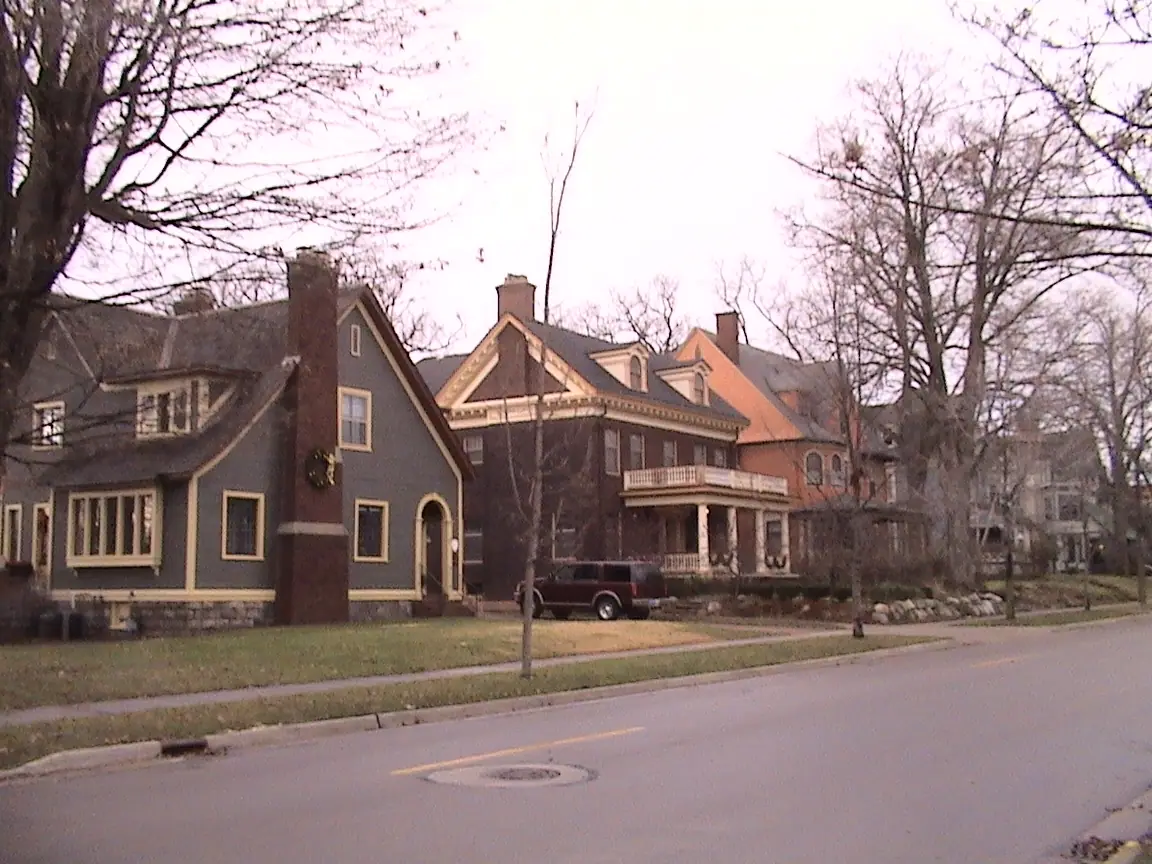
Neighbourhood
Thirteen hundred buildings on a hill above downtown, saved in 1968 by 125 neighbours who refused to let the bulldozers in.
0.5–1.5 hoursFree to walk; the annual Tour of Homes in May is ticketed
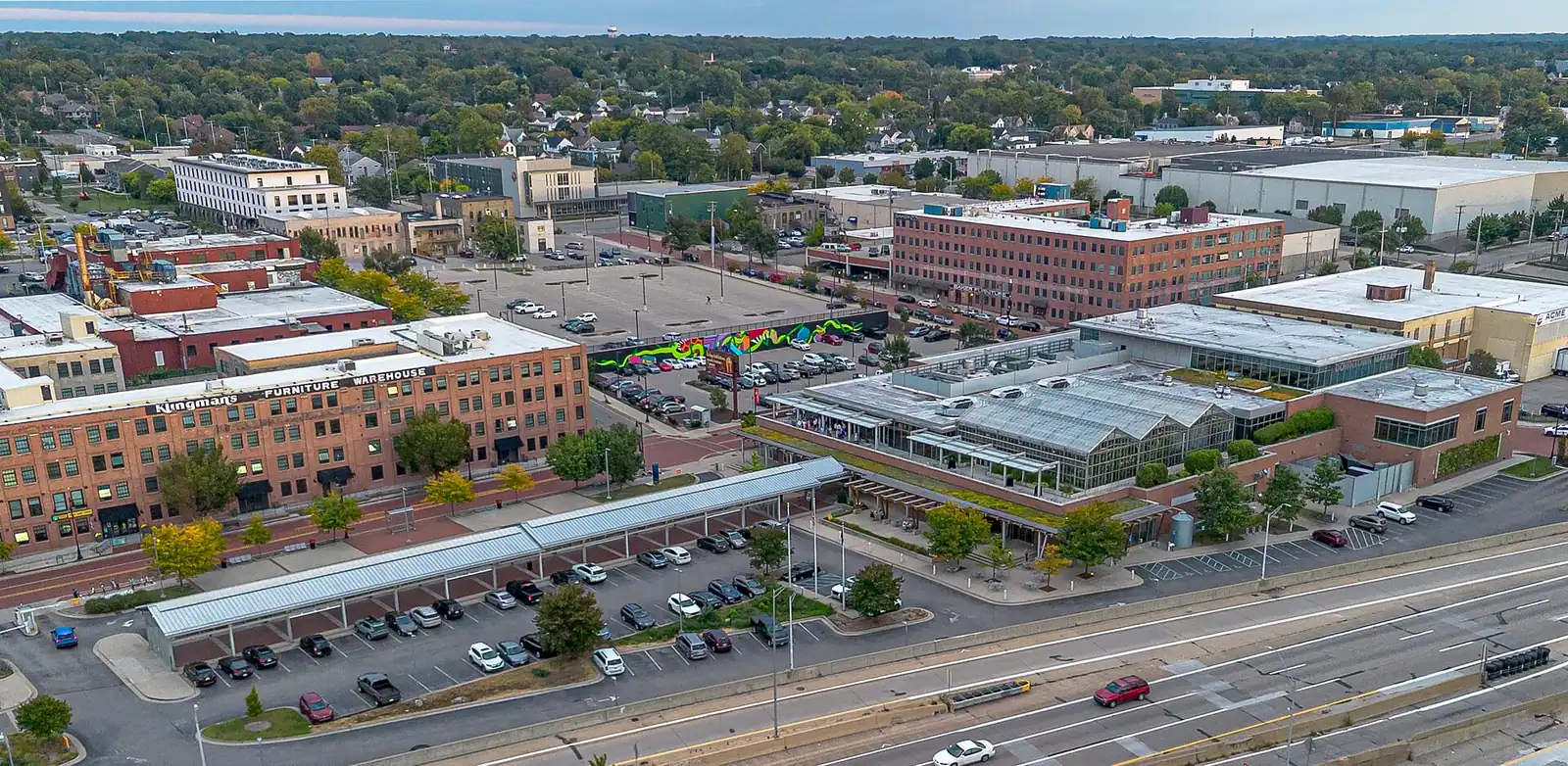
Shopping
Twenty-odd food merchants under one roof, a 52-stall farmers shed outside, and a greenhouse growing on the second floor.
1–2 hoursFree to enter; you pay the individual merchants
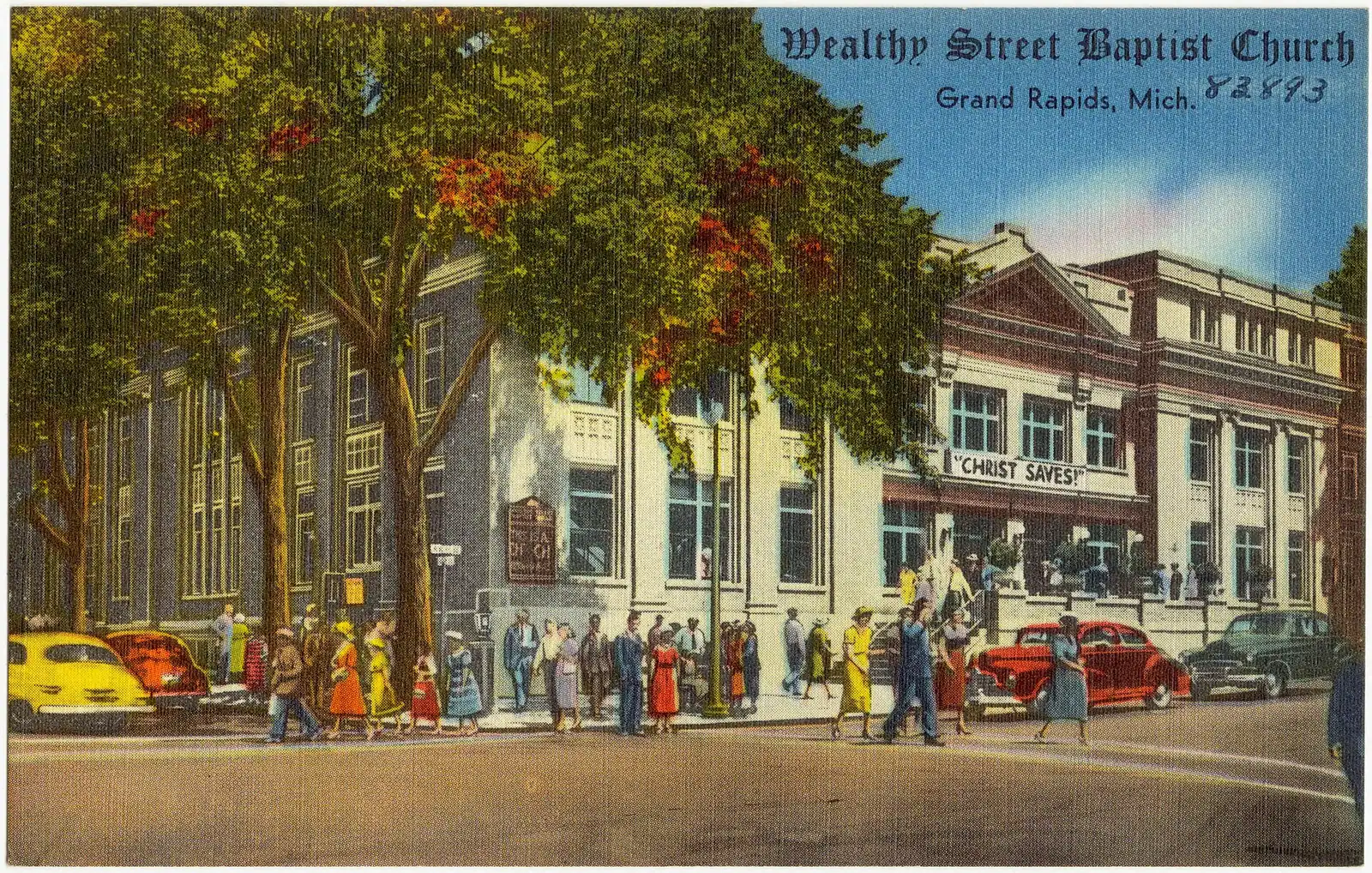
Neighbourhood
A mile of restored storefronts in East Hills, restarted by a 1911 theatre that spent twenty-five years boarded up.
1–3 hoursFree to walk. Everything on it costs whatever it costs.

Neighbourhood
Two blocks around a five-way junction, a hot dog counter that turned fifty, and the street fair that shuts the road every September.
1–3 hoursFree to walk around, and the September Streetfair is free to enter.
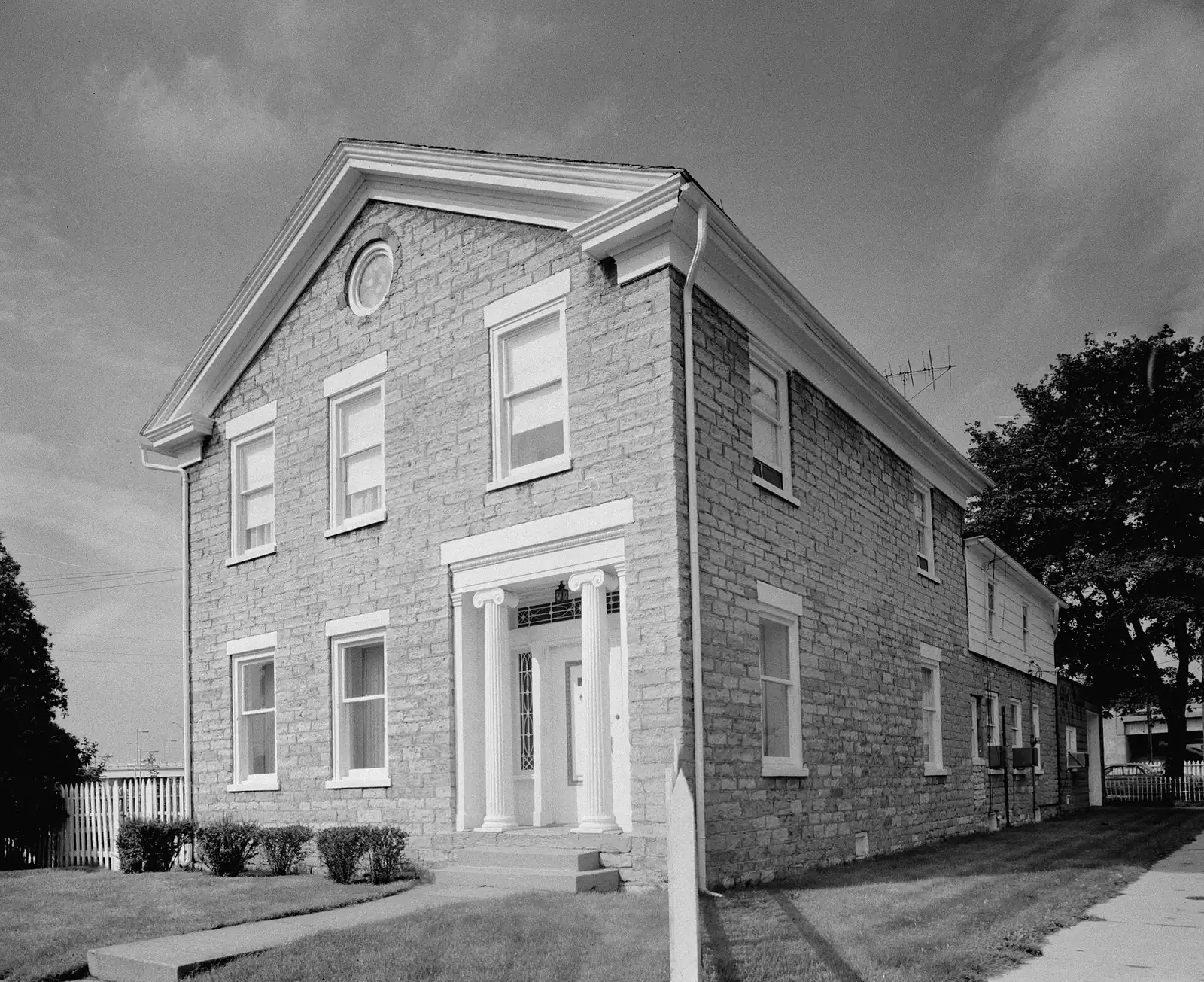
Dining district
The furniture district that built the city, now lofts, offices and the brewery that moved back in a decade after Founders moved out.
1–3 hoursFree to walk. You pay for what you drink and eat.
Straight answers
The wet burrito, above everything else. It is a flour burrito served flat on a plate under red sauce and melted cheese and eaten with cutlery, and the Beltline Bar on 28th Street claims to have introduced it in 1966. The claim is disputed, with a rival southern California story, but Grand Rapids is unquestionably where the dish became an institution. Beyond that, the city is known for brewery kitchens rather than any single dish.
Choose a district first. Uptown, meaning Wealthy Street, East Hills, Eastown and East Fulton, has the neighbourhood kitchens. Bridge Street on the West Side is the densest strip and the only one you can walk to from downtown. South Division through Burton Heights has the best value in the city, in taquerias. The Downtown Market at 435 Ionia Avenue SW solves lunch for groups. Downtown proper is for pre-event dinners.
It is a good eating city rather than a destination dining city, and the difference matters. You will not fly here for a restaurant. You will eat better than you expect for less than you expect, because forty breweries competing on food raised the standard of ordinary kitchens. National recognition is starting: The Pines, which opened in summer 2025, produced a James Beard Emerging Chef semifinalist in January 2026.
South Division Avenue, through the Roosevelt Park and Burton Heights neighbourhoods, roughly four miles south of downtown. Taqueria San Jose at 1338 Division Avenue S is the name people here reach for first. Tacos El Cunado and Taquero Mucho are the other regulars. Expect counter service rather than table service, carry some cash, and order an agua fresca instead of a soda.
Eat, mostly. The hall at 435 Ionia Avenue SW holds more than twenty food merchants, plus a butcher, fishmonger and produce stalls that make it the best grocery stop in the city centre. There are rooftop greenhouses and a teaching kitchen used to start new food businesses. It works best at lunch. In December the outdoor Christkindl Markt runs from mid-November to Christmas Eve and it becomes an evening destination.
Earlier than most visitors expect. Kitchens fill around six and thin out by half past eight, and last orders are commonly around ten midweek. A significant number of independent kitchens also close on Sundays and Mondays. Summer makes this worse rather than better, because the city sits at the western edge of the Eastern time zone and the sun is still up after nine, so it never feels as late as it is.
A cash-only hot dog counter on Wealthy Street in Eastown, open since July 1976 and the closest thing Grand Rapids has to a sacred site. It has won Grand Rapids Magazine's best hot dog every year since 1991, it marked its fiftieth anniversary in 2026, and it is widely reported to be the model for the restaurant the characters hang out in in "American Pie". Counter service, no table service, bring cash.
On a Friday or Saturday, yes. Midweek you can walk into almost anything. The two situations that break this rule are event nights at Van Andel Arena, which fill Bridge Street and downtown in both directions, and the ArtPrize fortnight in late September, when downtown restaurants are busy every night of the run. Outside those, the city is comfortably walk-in.
Keep exploring
Guide hub
Furniture paid for this city, and then it paid for everything worth coming to see in it. That is the single idea a visitor needs. Grand Rapids made…
Things to do
Grand Rapids gets called Beer City so routinely that the phrase has stopped carrying information, so here is what sits underneath it. The title…

Things to do
Count the rooms before you judge the city. Grand Rapids has an arena that seats twelve thousand, a riverfront amphitheatre that seats another twelve…
Who it suits
Grand Rapids is better with children than its reputation suggests, and the reason is the same reason it is better with adults: a century of local…
Who it suits
A weekend for two in Grand Rapids works, but not for the reasons a travel brochure would give. There is no old quarter. There is no waterfront…
Who it suits
Assume you will need this page. Grand Rapids takes something like thirty-eight inches of rain a year on top of around seventy-six inches of snow…
Read next
Guide
Two nights, one car, and one hard constraint that decides the whole schedule: the free Frank Lloyd Wright house only opens to the public on Sunday afternoon.
5 min readMarguerite Vanderhoff
Guide
Michigan's second city is a furniture town that spent its furniture money on art. Here is how the address grid works, what is walkable, and what needs a car.
6 min readMarguerite Vanderhoff
Guide
Eight breweries inside one downtown walk, a district of converted warehouses north of Michigan Street, and a list of closures that most beer articles have not caught up with.
7 min readTheo Brandsma

Guide
The zoo shuts for the winter, the carousel does not, and the best hour of a family day here costs three dollars and runs on a platform out over the river.
5 min readMarguerite Vanderhoff