Dining district
Free
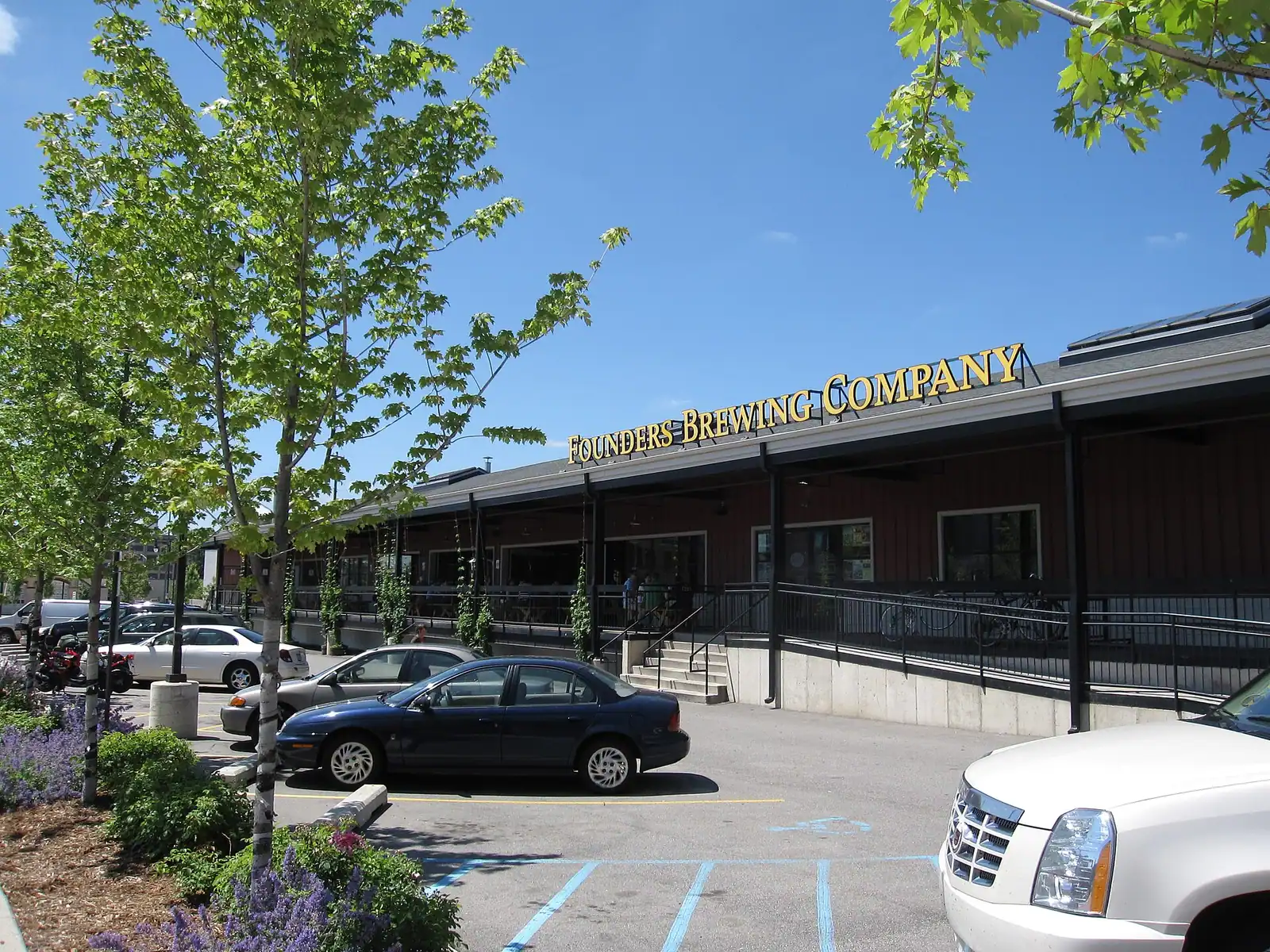
Founders Brewing Co. Taproom
A converted trucking depot laid out like a German beer hall, and the address that turned Grand Rapids into Beer City.
1–2.5 hoursFree to enter; you pay for what you drink
Things to Do
Live music in Grand Rapids: the new riverfront amphitheatre, the Intersection's four stages, Van Andel Arena, and honest advice on where the night goes after.
 Unsplash
Count the rooms before you judge the city. Grand Rapids has an arena that seats twelve thousand, a riverfront amphitheatre that seats another twelve thousand and opened in May 2026, a 2,543-seat performance hall, a mid-size music venue holding 2,600, a rock club with four separate stages under one roof, a 1,900-seat amphitheatre in a sculpture garden and a 630-seat recital hall that books international jazz. The city has roughly two hundred thousand people in it.
That imbalance has two causes and both are worth knowing. The first is position. Grand Rapids sits on the drive between Chicago and Detroit, which means a touring bus can play here on a Tuesday without losing a day, and mid-week routing dates are how a market this size gets shows it has no demographic right to. The second is old money. The furniture fortunes and the retail fortunes that built this city put their names on concert halls rather than on stadiums, which is why the seated rooms here are unusually good and unusually well maintained.
2026 changed the top of that list. The Acrisure Amphitheater opened on the Grand River at 201 Market Avenue SW on 15 May, a twelve-thousand-capacity open-air venue with about sixty thousand square feet of steel canopy over three-quarters of the seats, which in a lake-effect climate is not decoration. Lionel Richie headlined the opening. The first artist on the stage, though, was Brian Vander Ark of The Verve Pipe, who is from here, which tells you how the city wanted the night framed.
Now the honest part, because a page that only lists capacities is selling you something. Downtown Grand Rapids empties outside event nights. There is no dense strip of clubs, the nightlife is early by the standards of a city this size, and Michigan closes the bars at two. What there is instead is a small number of genuinely good rooms, a brewery scene that doubles as the evening's second act, and four neighbourhood districts where the drinking is better than downtown.
So plan a night here backwards. Find the show first, because the show is the reason. Then pick the district you will end up in, because that decision is the difference between a memorable evening and standing outside a closed convention centre at half past ten.
For thirty years the ceiling on a Grand Rapids concert was Van Andel Arena, indoors and roofed, which meant every big summer show in West Michigan was an indoor show. The Acrisure Amphitheater removed that constraint on 15 May 2026.
The site matters as much as the capacity. It sits on the west bank of the Grand at 201 Market Avenue SW, on ground that was industrial for a century, as part of a wider push to turn the riverfront into something people use. The canopy covers around three-quarters of the seating, which in a climate that produces both August thunderstorms and cold May evenings is the difference between a venue that works and one that does not.
Two practical things follow from the location. The first is that you can walk to it from downtown hotels, which is unusual for an amphitheatre of this size and means the post-show problem is a fifteen-minute walk rather than a car park queue. The second is that the riverfront immediately around it is an active construction zone: the long-running project to rebuild the rapids in the Grand broke ground on its lower reach in June 2026, between Fulton Street and Bridge Street, and is expected to run about two years. Expect fencing, expect detours on the river path, and do not plan on a pre-show stroll along the water.
The opening night is worth knowing as context for how the city sees itself. Lionel Richie headlined. The Grand Rapids band The Verve Pipe put Brian Vander Ark on the stage first, before the national act. This is a town that likes its own name on things.
The Intersection has been booking bands in this city since 1972, which makes it older than most of the venues it competes with and a good deal older than the craft-beer economy around it. What makes it genuinely unusual is the architecture: four separate rooms inside one building, each with its own stage, its own bar and its own capacity.
The main showroom takes about 1,600. Elevation takes around 800. The Stache, a smaller room decorated to look considerably older than it is, takes about 400. The Mint takes roughly 200. On a busy Friday all four can be running at once, which means the building holds four completely different audiences who never see each other.
For a visitor this solves a specific problem. You do not need to know the Grand Rapids scene to find something on. Look at what the building has on that night and pick the room that matches the number of people you want to be standing near. A 200-capacity room on a Tuesday and a 1,600-capacity room on a Saturday are different cities.
The Pyramid Scheme, a few minutes away downtown, is the other half of this equation: 420 capacity, general admission, a genuine arcade along one wall, and the room where touring indie bands play when they are a year away from being able to fill Elevation. Between those two buildings you have most of what a visitor needs from the small end of this city's music.
 Unsplash
When to go
The strangest good ticket in this city is a concert at Frederik Meijer Gardens, where the Fifth Third Bank Summer Concerts run in a 1,900-seat amphitheatre inside a sculpture park on the East Beltline. The 2026 series opened on 27 May and closed on 16 September across 34 shows.
Several things make it worth planning around. The capacity is small enough that acts who play arenas elsewhere play this in a garden. The grounds open before the show, so your ticket includes the sculpture collection and the conservatory in the early evening. It runs rain or shine, on tiered lawn seating, which means a poncho rather than a refund.
The catch is the same thing that makes it good. These shows sell out fast, some of them within minutes of going on sale, and a visitor deciding in the week of travel will generally find nothing available. If a summer trip here is even a possibility, look at the lineup the moment it is announced, usually in the spring.
One geographic note. Meijer Gardens is out on the East Beltline rather than downtown, roughly fifteen to twenty minutes by car, and there is no practical walk. Traffic on the Beltline before a sold-out show is the one reliable jam in Grand Rapids, so leave earlier than the distance suggests.
This is where most visitors get Grand Rapids wrong, because they assume a downtown with an arena in it has a downtown with bars in it, and it half does.
Downtown works if your show was downtown and you want one more drink near where you are standing. The B.O.B. at 20 Monroe Avenue NW puts four restaurants, a brewery, a music room, a nightclub and Dr. Grins comedy club in one building, which makes it the single most efficient place to end an evening without a plan. The hotel bars are better than hotel bars usually are, the Lumber Baron in the Amway Grand Plaza among them, named for exactly the sort of fortune that built this city.
Bridge Street on the West Side is the answer if you want density. A mile from downtown over a lit bridge, and the strip runs taprooms and kitchens side by side until late. This is the only part of Grand Rapids where you can move between four places on foot without thinking about it.
Uptown is the answer if you want a neighbourhood rather than a strip. Wealthy Street and Eastown have small bars with regulars in them, live blues and jazz on some nights, and none of the arena crowd.
Two honest warnings. The city has very little in the way of late nightclubs, and Michigan's last call is two in the morning, so the window is shorter than in a bigger market. And on a night with nothing on at the arena, the downtown blocks can be genuinely quiet by ten.
From November to March this city moves its entire evening life indoors, and the programming answers that rather than shrinking to meet it.
The Grand Rapids Griffins play American Hockey League hockey at Van Andel Arena through the winter as the Detroit Red Wings' affiliate, which gives downtown twenty-odd guaranteed busy nights between October and April. A Griffins ticket is cheap, the arena is good, and it is the most reliable way to find a downtown with people in it on a January Friday.
DeVos Performance Hall carries the Broadway season, the symphony and the ballet across the same months. St Cecilia Music Center books jazz and folk into a 630-seat room where you can hear a double bass properly. Wealthy Theatre, a restored neighbourhood cinema in Uptown with about 400 seats, programmes film and music through the cold.
The one genuinely unusual winter booking is at the Grand Rapids Public Museum, where the Roger B. Chaffee Planetarium runs concerts under its fifty-foot dome from January into March, with live music played against projected visuals. It seats very few people, it sells out, and it is the sort of thing a city invents when it knows February is long.
If you are choosing when to come for music rather than for weather, the indoor season is the stronger half of the year.
Local tips
 Unsplash
How they compare
Capacity tells you more about what a night will feel like than any genre label does.
| Venue | Capacity | What plays there |
|---|---|---|
| Van Andel Arena | 12,000+ | Arena tours, and Griffins hockey through the winter |
| Acrisure Amphitheater | 12,000 | Open-air summer touring, on the river, canopied |
| GLC Live at 20 Monroe | up to 2,600 | Mid-size touring across every genre, standing floor with a seated mezzanine |
| DeVos Performance Hall | 2,543 seats | Broadway runs, the symphony, ballet, opera |
| Meijer Gardens amphitheatre | 1,900 | The summer concert series, tiered lawn, rain or shine |
| The Intersection, main showroom | 1,600 | Rock and hip-hop, the city's core club room since 1972 |
| Fountain Street Church | 1,500 | Occasional concerts in a room with unusual acoustics |
| The BIG Room at Silva | up to 1,500 | Opened May 2025 in a former furniture factory |
| St Cecilia Music Center | 630 seats | Jazz, folk and chamber series in a recital hall |
| The Pyramid Scheme | 420 | Touring indie and local bills, with an arcade attached |
| Wealthy Theatre | 400 seats | A restored neighbourhood cinema, now film and music |
| Tip Top Deluxe | 140 | The small room, near the Grand Valley downtown campus |
The two extremes are the interesting ones. Twelve thousand and a hundred and forty exist in the same square mile, and on a good week both are full.
On the ground
Every place below has its own page — hours, parking, what it costs and what to expect when you get there.
Dining district
A converted trucking depot laid out like a German beer hall, and the address that turned Grand Rapids into Beer City.
1–2.5 hoursFree to enter; you pay for what you drink
Landmark
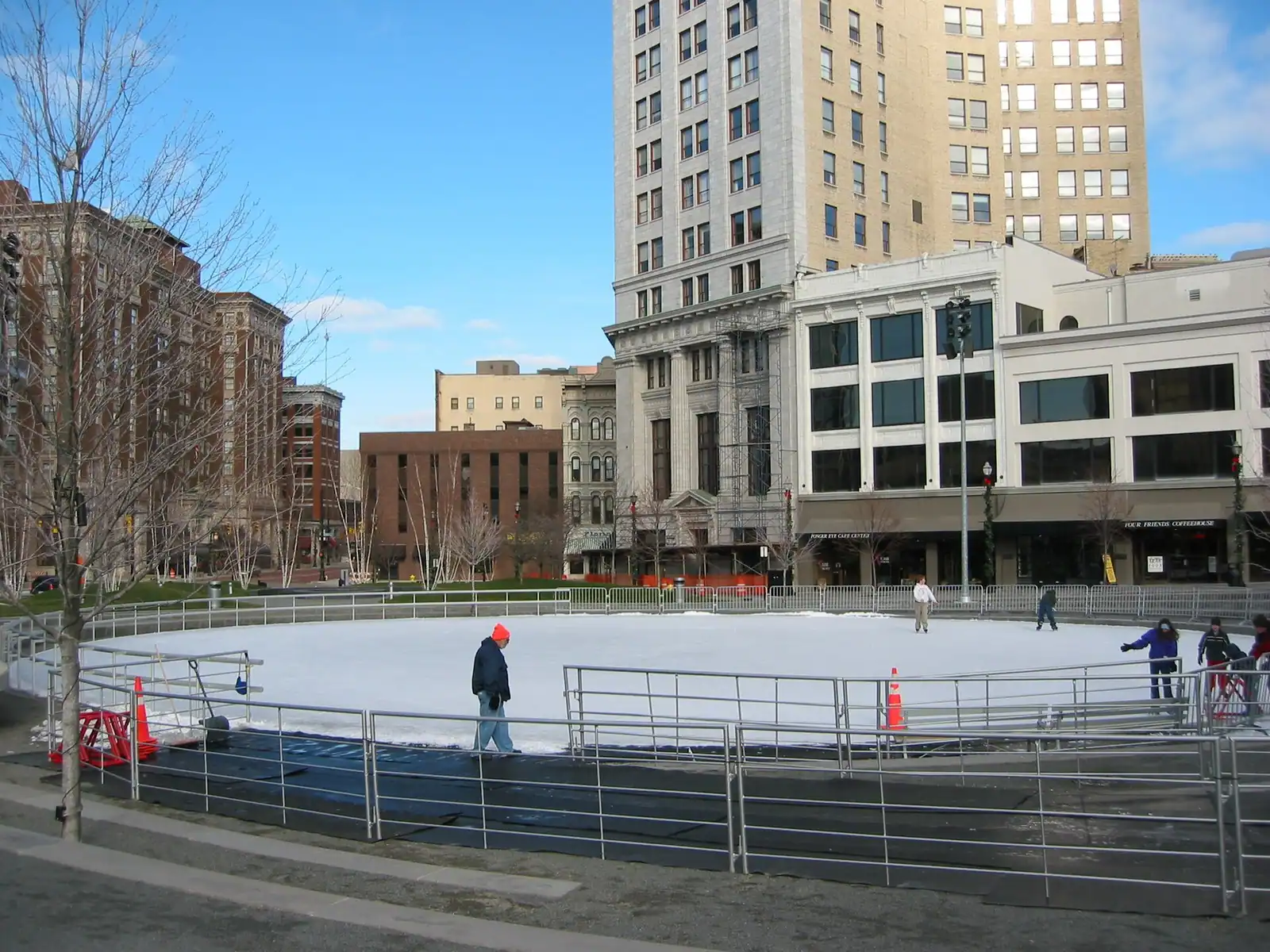
A Maya Lin artwork you are allowed to walk on, and from December a public ice rink with the night sky under the ice.
0.5–2 hoursThe plaza is free at all times. Winter skating sessions carry a small charge.
Neighbourhood
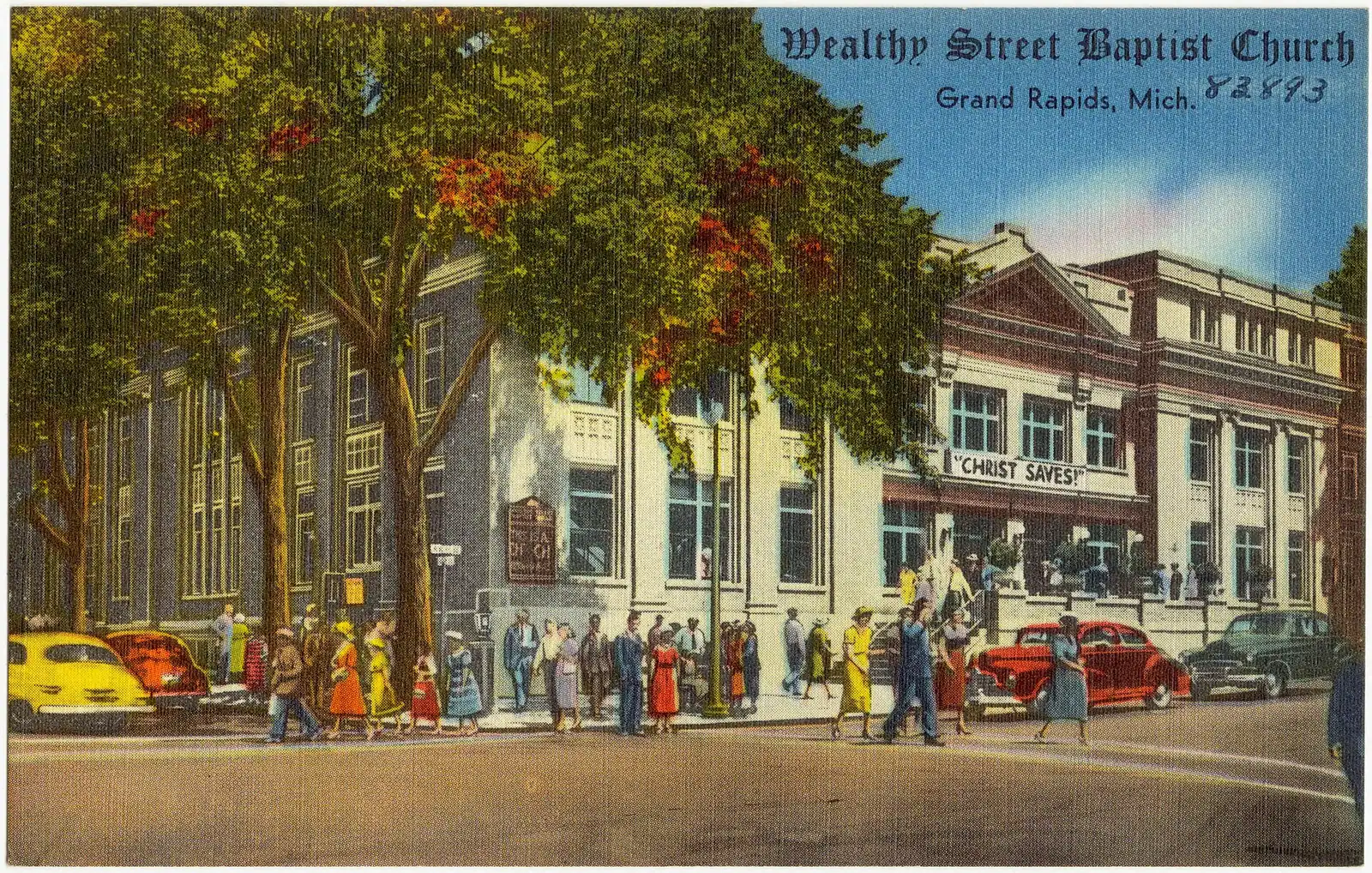
A mile of restored storefronts in East Hills, restarted by a 1911 theatre that spent twenty-five years boarded up.
1–3 hoursFree to walk. Everything on it costs whatever it costs.
Entertainment
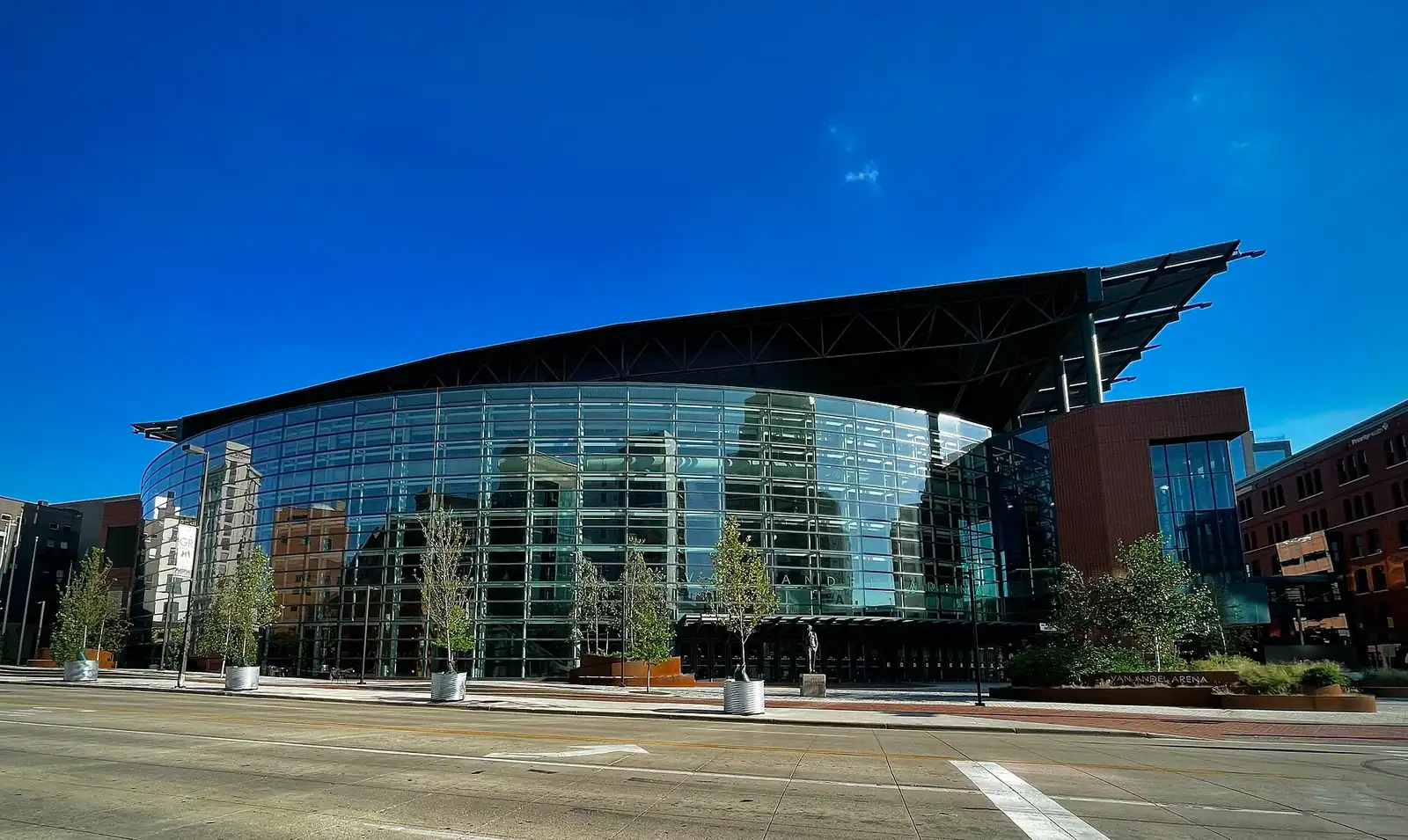
The 1996 arena that pulled downtown Grand Rapids back to life, and still empties four thousand people onto Fulton Street at once.
2.5–4 hoursTicketed by event; Griffins hockey is the cheapest way in
Neighbourhood
Two blocks around a five-way junction, a hot dog counter that turned fifty, and the street fair that shuts the road every September.
1–3 hoursFree to walk around, and the September Streetfair is free to enter.
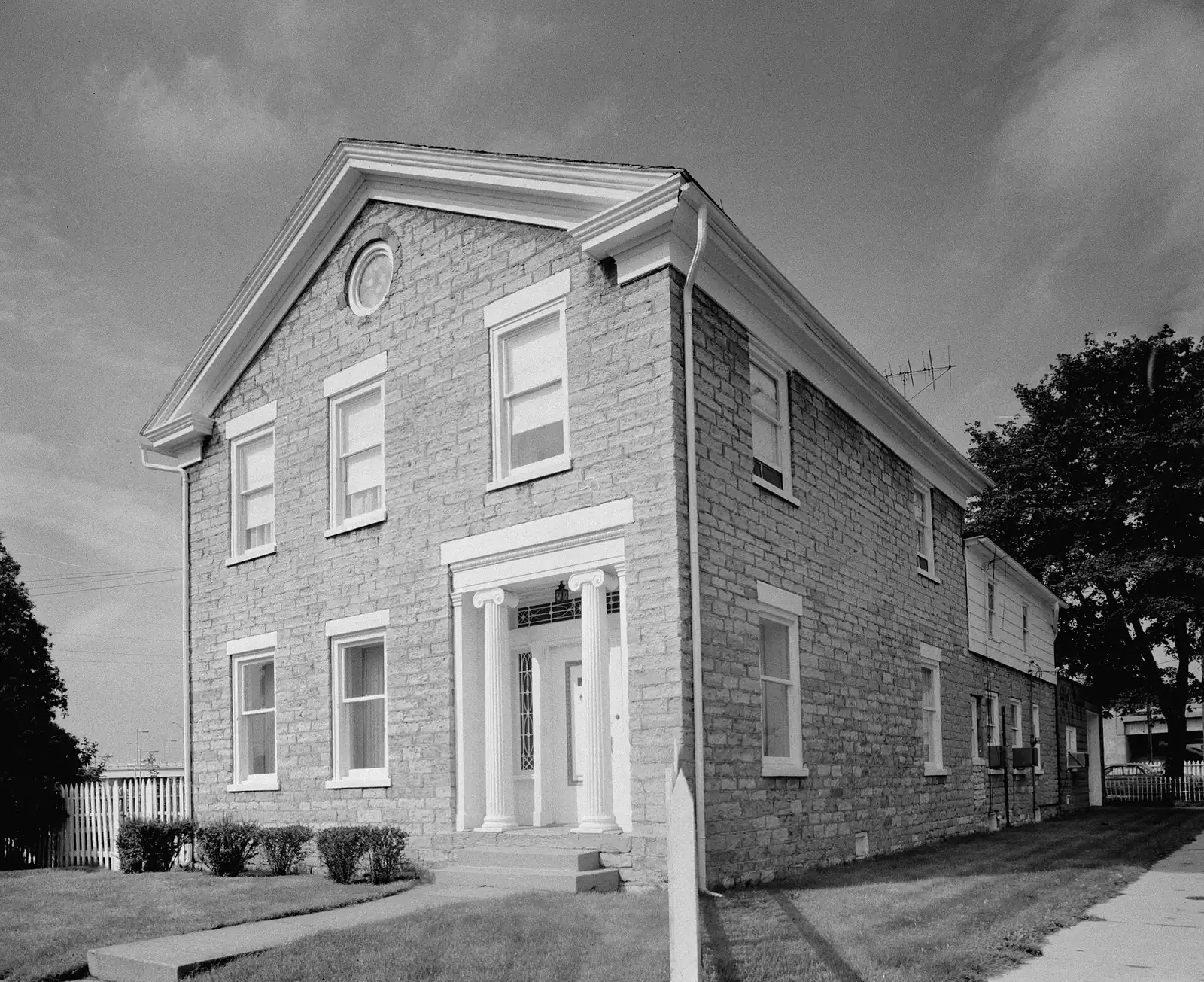
Dining district
The furniture district that built the city, now lofts, offices and the brewery that moved back in a decade after Founders moved out.
1–3 hoursFree to walk. You pay for what you drink and eat.
Straight answers
Yes, and the reason is routing rather than size. The city sits on the drive between Chicago and Detroit, so touring buses can take a midweek date here without losing a day. That gives a city of about two hundred thousand an arena, a new twelve-thousand-capacity amphitheatre, a 2,600-capacity mid-size room, a four-stage rock club and a 1,900-seat garden amphitheatre. On a good week all of them have something on.
A twelve-thousand-capacity open-air venue at 201 Market Avenue SW on the west bank of the Grand River, which opened on 15 May 2026 with Lionel Richie. About sixty thousand square feet of steel canopy covers roughly three-quarters of the seating, which matters in a climate with both thunderstorms and cold evenings. It is walkable from downtown hotels in about fifteen minutes.
Four, inside one building, and each has its own stage and bar. The main showroom holds about 1,600, Elevation about 800, The Stache about 400 and The Mint about 200. The venue has been booking bands in Grand Rapids since 1972. Check which room your ticket names before you go, because on a busy night all four are running and they have separate doors.
Buy them the day the lineup is announced, usually in spring. The amphitheatre at Frederik Meijer Gardens holds 1,900, which is small enough that acts who play arenas elsewhere sell this out in minutes. The 2026 series ran from 27 May to 16 September across 34 shows. Your ticket includes the gardens before the show. Shows go ahead rain or shine on tiered lawn seating.
Two in the morning, which is Michigan's statewide last call, though a lot of Grand Rapids bars stop serving before that on quieter nights. The practical effect is that the evening here runs earlier than in a larger city: kitchens fill at six, music rooms start early, and the window between the encore and last orders is shorter than visitors expect. Start the night rather than easing into it.
Bridge Street on the West Side, about a mile from downtown across a lit bridge, is the densest strip and the only place you can move between four bars without thinking about it. Uptown, meaning Wealthy Street and Eastown, is the neighbourhood option with regulars and small live rooms. Downtown works on event nights and is genuinely quiet on nights when nothing is on at the arena.
More than in summer, in some ways, because the programming is built around a long cold season. The Griffins play American Hockey League hockey at Van Andel Arena from October to April. DeVos Performance Hall carries Broadway, the symphony and the ballet. St Cecilia books jazz into a 630-seat room. And the Public Museum runs concerts under its planetarium dome from January into March.
Dr. Grins at The B.O.B., 20 Monroe Avenue NW, has been running touring stand-up since 1997 and is the city's dedicated club. The same building holds restaurants, a brewery, a music room and a nightclub, which makes it the most efficient single destination for an unplanned evening downtown. Several bars and theatres also run occasional comedy bills, particularly Wealthy Theatre in Uptown.
Keep exploring
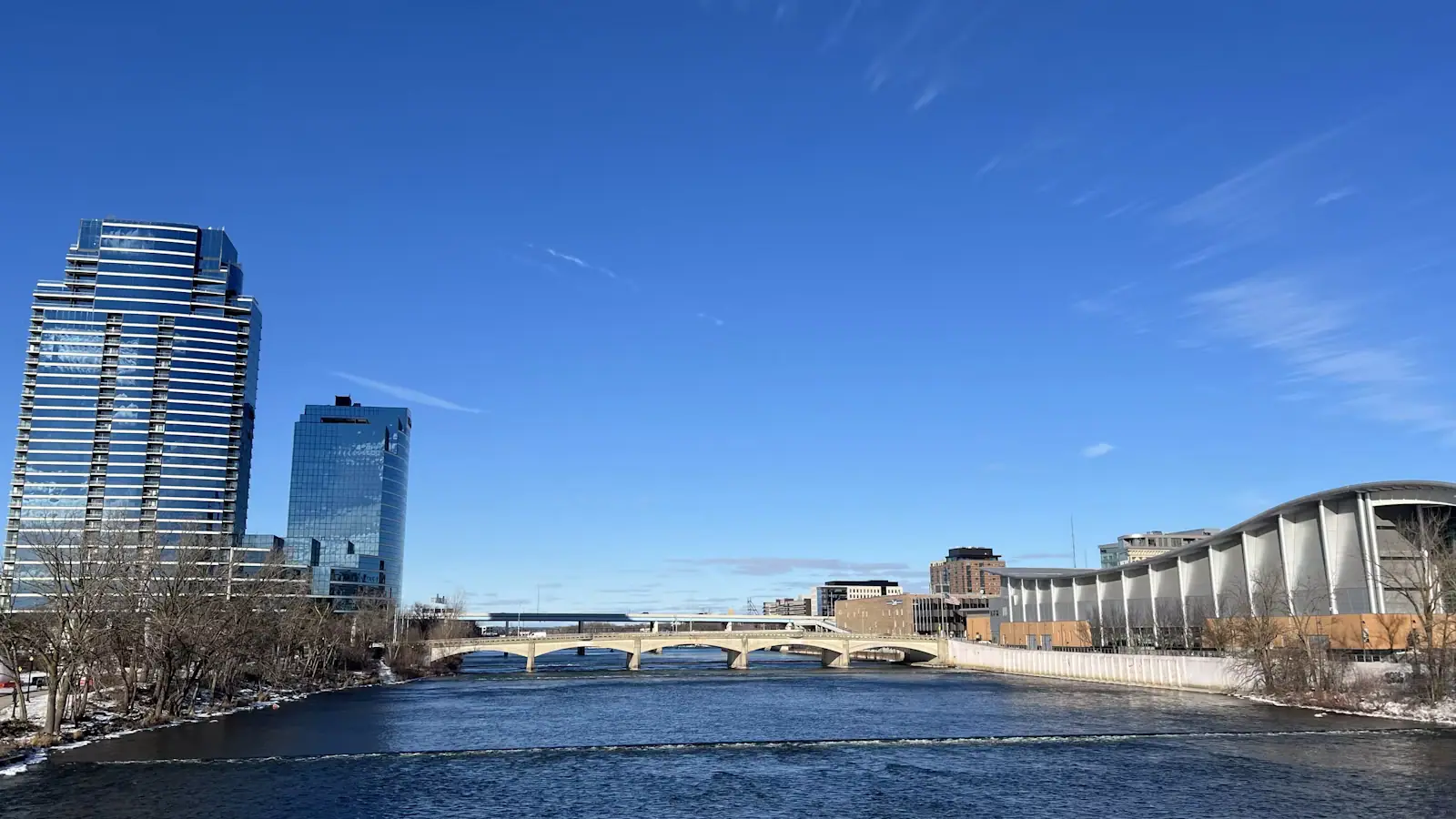
Guide hub
Furniture paid for this city, and then it paid for everything worth coming to see in it. That is the single idea a visitor needs. Grand Rapids made…
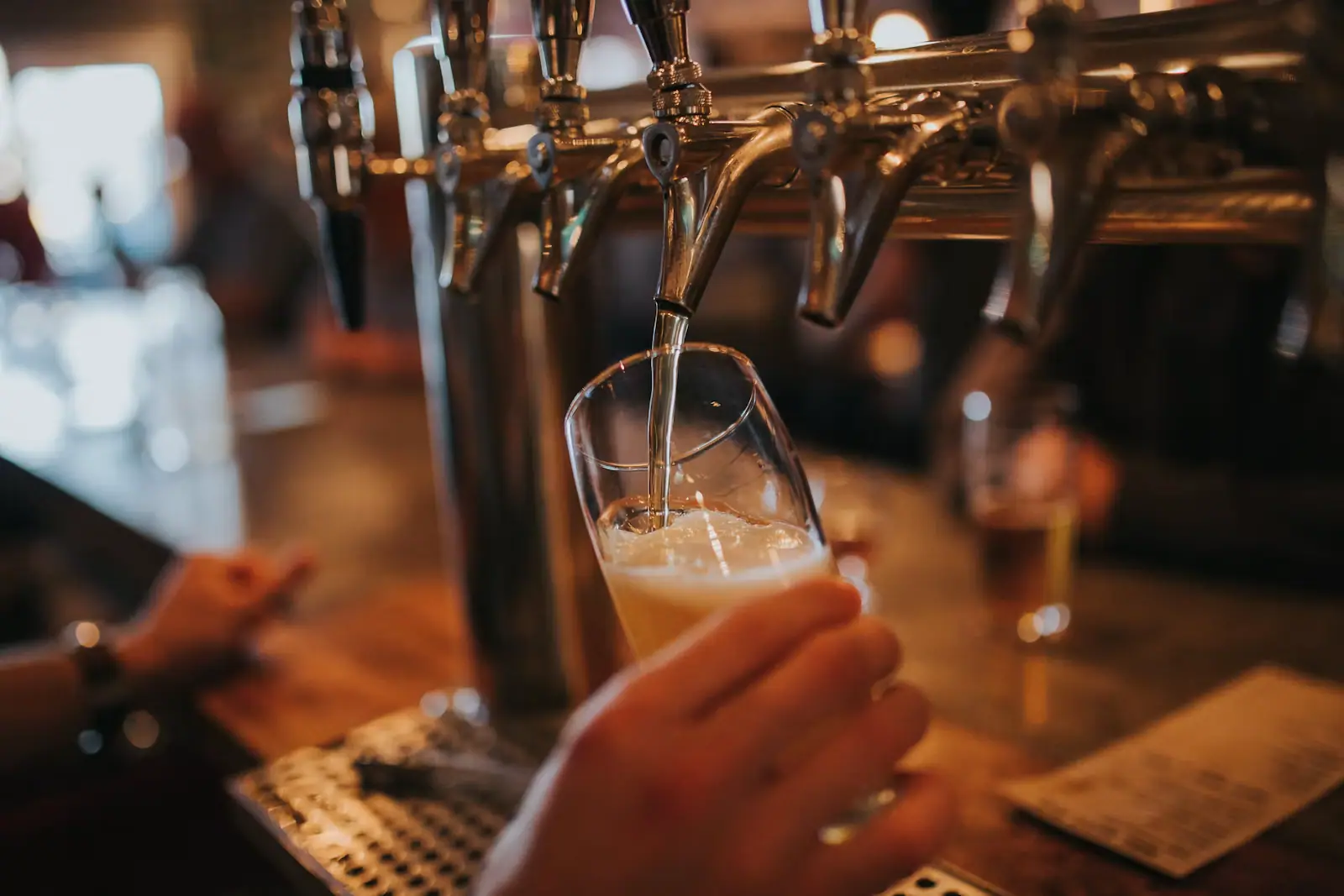
Things to do
Grand Rapids gets called Beer City so routinely that the phrase has stopped carrying information, so here is what sits underneath it. The title…
Things to do
The honest framing first. Grand Rapids is not a city you fly to for dinner, and a guide that pretends it competes with Chicago three hours west is…
Who it suits
A lot of the adults who come to Grand Rapids did not choose it. They are here for a conference, a client, a hospital appointment on Michigan Street…
By season
Start with the numbers, because everything else on this page depends on them. Grand Rapids collects somewhere around seventy to seventy-eight inches…
By season
For a little over two weeks each autumn, roughly a thousand works of art appear across downtown Grand Rapids and the city stops behaving normally…
Read next
Guide
Two nights, one car, and one hard constraint that decides the whole schedule: the free Frank Lloyd Wright house only opens to the public on Sunday afternoon.
5 min readMarguerite Vanderhoff
Guide
Michigan's second city is a furniture town that spent its furniture money on art. Here is how the address grid works, what is walkable, and what needs a car.
6 min readMarguerite Vanderhoff

Guide
Seventy-odd inches of snow, the cloudiest January of any month, and a city that responds by putting a hundred art installations outdoors and flooding a Maya Lin park into an ice rink.
6 min readMarguerite Vanderhoff
Guide
Eight breweries inside one downtown walk, a district of converted warehouses north of Michigan Street, and a list of closures that most beer articles have not caught up with.
7 min readTheo Brandsma