Dining district
Free
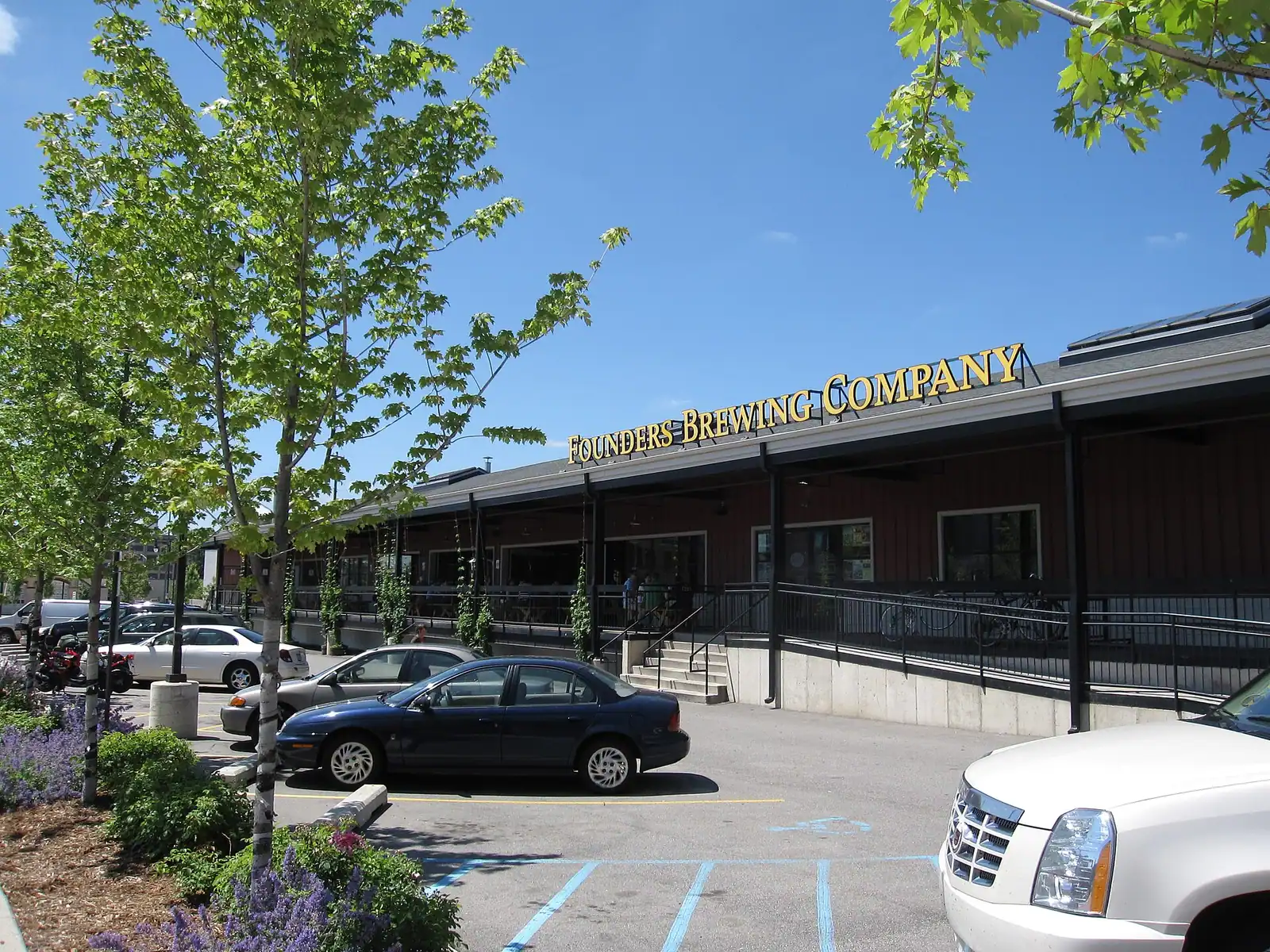
Founders Brewing Co. Taproom
A converted trucking depot laid out like a German beer hall, and the address that turned Grand Rapids into Beer City.
1–2.5 hoursFree to enter; you pay for what you drink0.3 mi away
Entertainment
Last updated
The 1996 arena that pulled downtown Grand Rapids back to life, and still empties four thousand people onto Fulton Street at once.
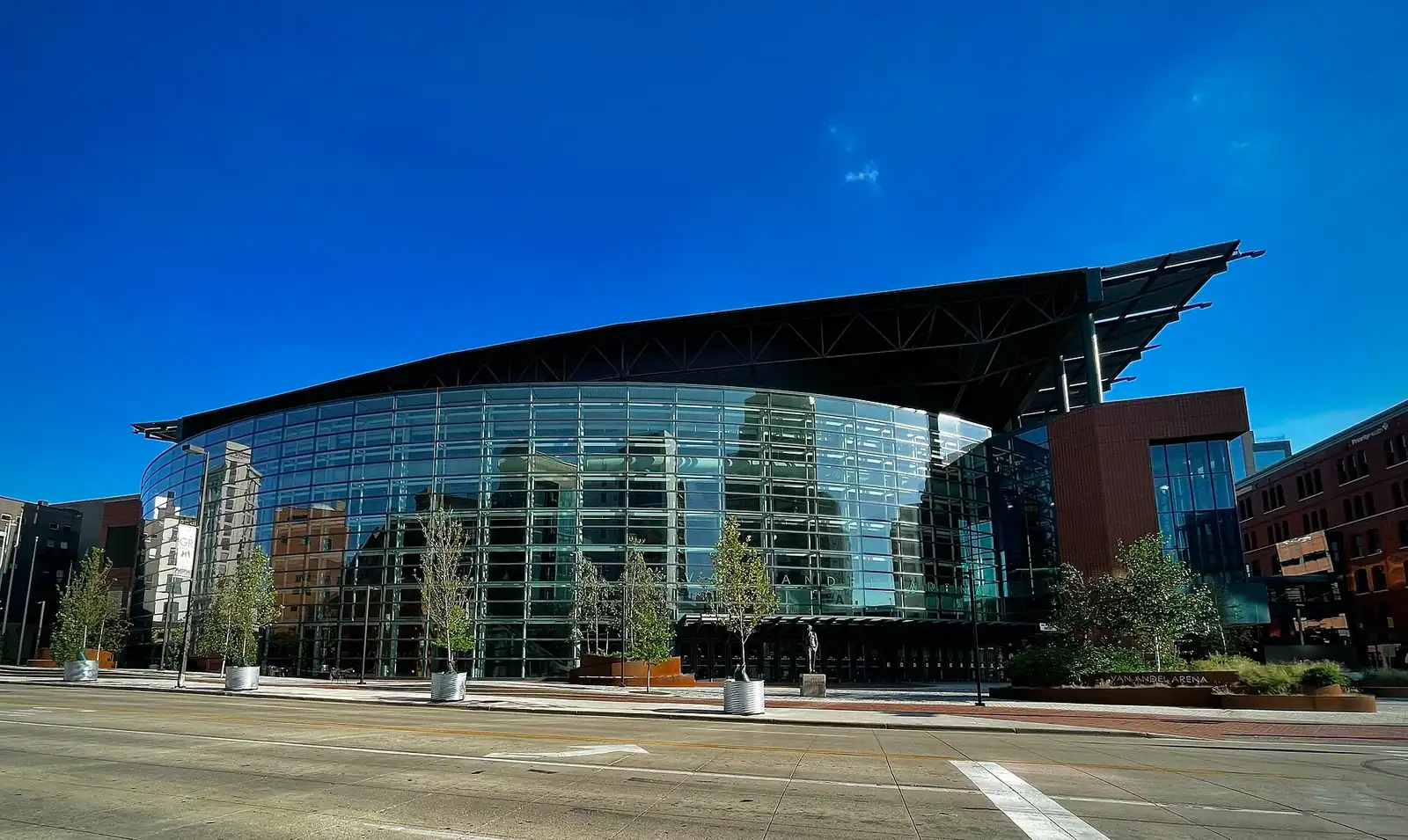
Downtown Grand Rapids in the early 1990s was not a place people went at night. The arena changed that, and locals will tell you so without prompting. It opened on 8 October 1996 after a build costing a little under $80 million, took the name of Jay and Betty Van Andel, the Amway co-founder and his wife who were its largest benefactors, and drew more than five million people through the doors in its first five years. Restaurants followed, then bars, then the Monroe North brewery blocks. The causal chain is unusually clean.
The building itself is a conventional late-1990s arena and none the worse for it: 10,834 for hockey, about 11,500 for basketball, up to 13,184 for a centre-stage concert, with 1,800 club seats, 44 suites and a ring of retractable seating. It is the fourth-largest arena in Michigan and the sightlines are good in a way that larger buildings often are not. You are close to the ice.
The Grand Rapids Griffins have played here since the arena opened and are the American Hockey League affiliate of the Detroit Red Wings, which means the roster is full of players on their way up or on their way back. They have won the Calder Cup, and a Friday night Griffins game is the single best-value evening in the city: real hockey, family prices, and a crowd that knows what it is watching. The Grand Rapids Gold of the NBA G League and the Grand Rapids Rise of Major League Volleyball also play here.
Touring concerts fill the rest of the calendar. The arena sits on Fulton Street in the Heartside district, which means everything you need before and after a show is within three blocks on foot.
Check what is on before you build an evening around it; the calendar has quiet weeks.
The arena is on Fulton Street at the west end of downtown, three blocks south of Monroe Center and within a ten-minute walk of most downtown hotels.
There is no arena car park. Use the public ramps on Ionia, Weston or Ottawa, or the free peripheral lots served by the DASH shuttle. Event-night rates rise and the ramps empty slowly after a sell-out, so the walk-and-wait strategy beats sitting in a queue.
Driving in, US-131 runs immediately west of the building with exits at Pearl and Wealthy. The Rapid's Silver Line and Division Avenue routes stop within two blocks, and Grand Rapids' Amtrak and intercity bus station is a short walk southeast.
The Griffins are the Detroit Red Wings' American Hockey League affiliate and have played in this building since it opened in 1996. That relationship is the whole appeal: the roster is prospects working toward the NHL and veterans working back to it, so the hockey is fast and the personnel change through the season.
Tickets are a fraction of an NHL price and the building is small enough that a cheap seat is still a good seat. The season runs from October into April, with playoffs beyond that in a good year, and the club has won the Calder Cup. Friday and Saturday home games are the busy ones; a Wednesday in January is quiet, cheap and perfectly good.
The crowd skews local and family-heavy, and there is a promotional bit most nights. It is not a pilgrimage for a neutral, but for a visitor with a free evening in Grand Rapids between October and April it is a better use of three hours than almost anything else downtown.
Check the schedule before assuming there is a game: the AHL plays a lot of road trips and the arena also has to fit concerts, basketball and volleyball into the same winter.
The arena takes touring shows across the size range, with capacity up to about 13,184 for a centre-stage configuration and nearer 11,000 to 12,000 for an end-stage one.
Practical notes for a show night. The upper bowl is steep and the sound at the back of it is honest rather than flattering; if you have the choice, the lower bowl corners are the value seats. The concourse is a single loop and it is narrow at the west end, so intermission queues build. Bag policy at arenas changes frequently, and this one has run a clear-bag rule at points, so check before you leave the hotel with a rucksack.
Doors typically open an hour before the advertised time. Parking ramps around Fulton and Ionia empty slowly after a sold-out show, and the streets funnel awkwardly toward US-131; if you are not in a hurry, walk somewhere for twenty minutes and let it clear.
There is no dedicated arena car park. Everything is a public ramp, a surface lot or the street, and rates rise on event nights.
It is rare to be able to point at one building and say a city centre turned on it, but Grand Rapids can.
Ground was broken in February 1995 and the arena opened twenty months later, in a downtown that had been hollowing out for decades. More than five million people came through in the first five years. Restaurants opened to feed them, then bars to keep them, then the residential conversions that followed the bars. The Monroe North brewery district, the Downtown Market, the Monroe Center rebuild and the riverfront work all came afterwards, and all of them were arguing from a premise the arena had established: that people would come downtown at night.
Jay Van Andel co-founded Amway in nearby Ada, and the Van Andel and DeVos names sit on a large share of the city's public buildings, which is its own kind of civic story and one that Grand Rapids residents have complicated feelings about.
For a visitor, none of that needs explaining at the door. But if you are wondering why a mid-sized Midwestern city has this density of restaurants, breweries and museums within a twelve-block square, the answer starts here in 1996.
Straight-line distances, so allow more on the road — the island is long and has one main parkway.
Dining district
A converted trucking depot laid out like a German beer hall, and the address that turned Grand Rapids into Beer City.
1–2.5 hoursFree to enter; you pay for what you drink0.3 mi away
Shopping
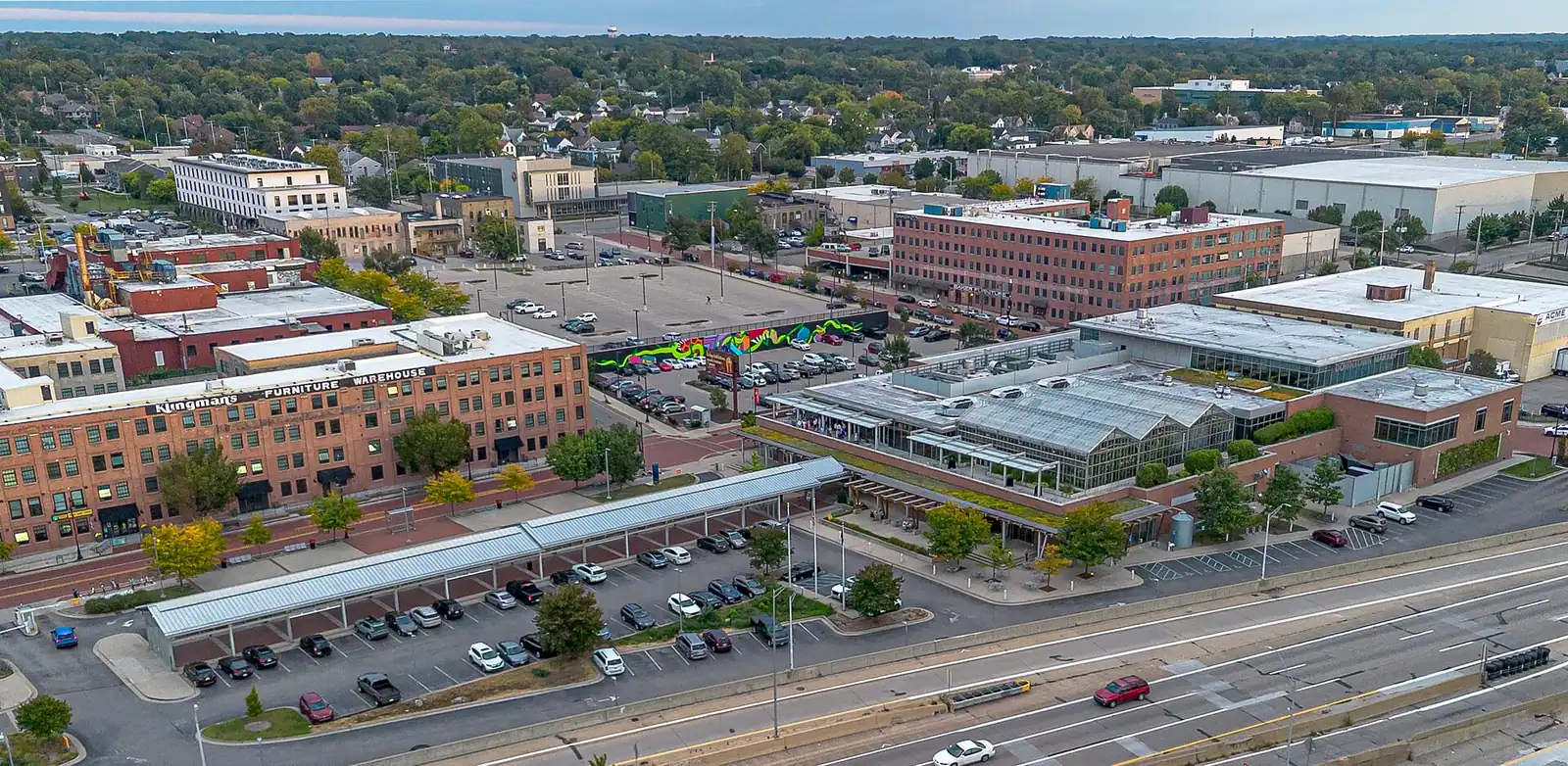
Twenty-odd food merchants under one roof, a 52-stall farmers shed outside, and a greenhouse growing on the second floor.
1–2 hoursFree to enter; you pay the individual merchants0.5 mi away
Museum
The first LEED Gold certified art museum anywhere, built by a city whose fortune came from making furniture well.
1.5–2.5 hoursRoughly $10–15 per adult; general admission free on Thursday evenings0.2 mi away
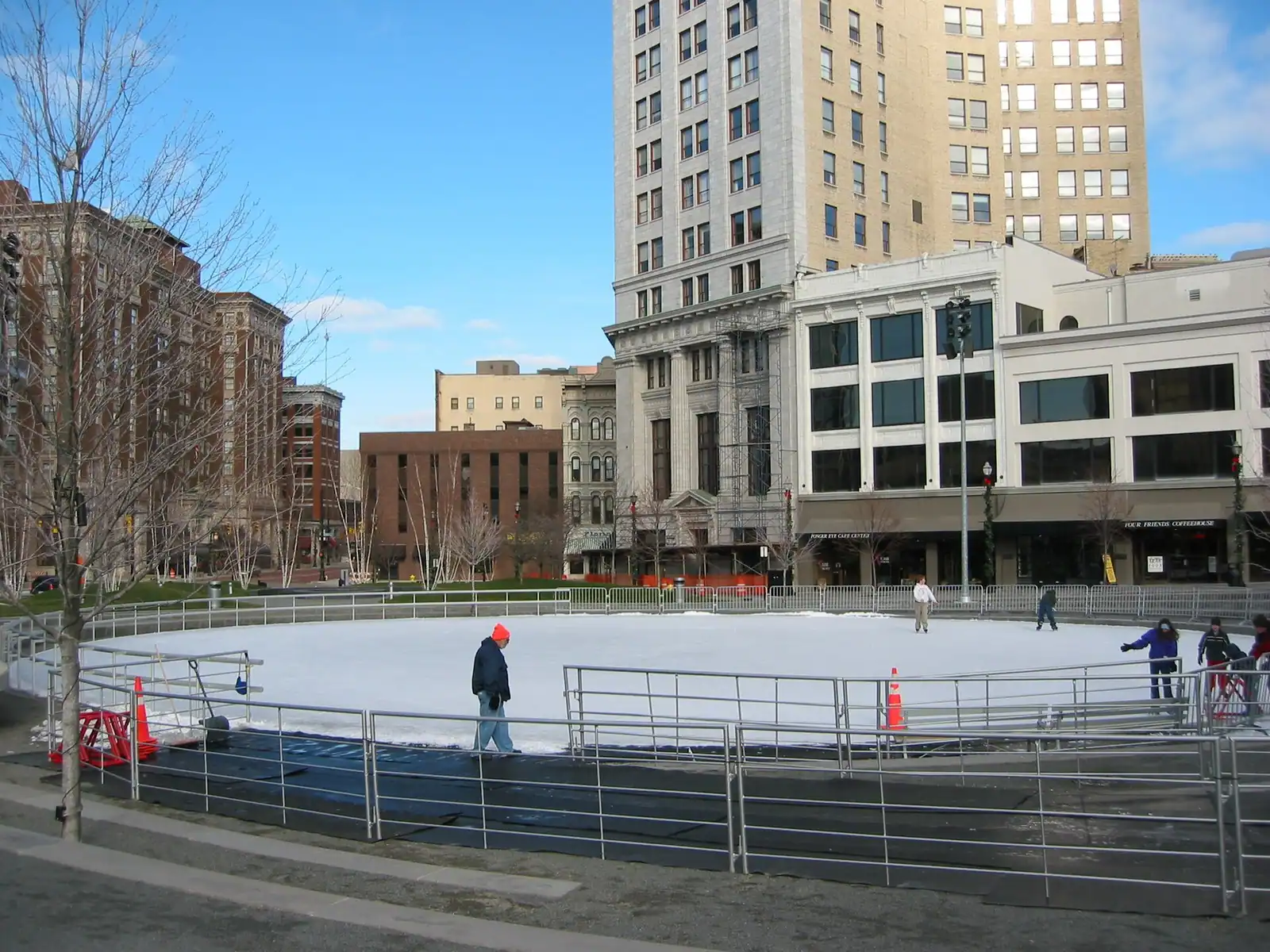
Landmark
A Maya Lin artwork you are allowed to walk on, and from December a public ice rink with the night sky under the ice.
0.5–2 hoursThe plaza is free at all times. Winter skating sessions carry a small charge.0.2 mi away
Where this place fits into a day, and the pages that plan one.
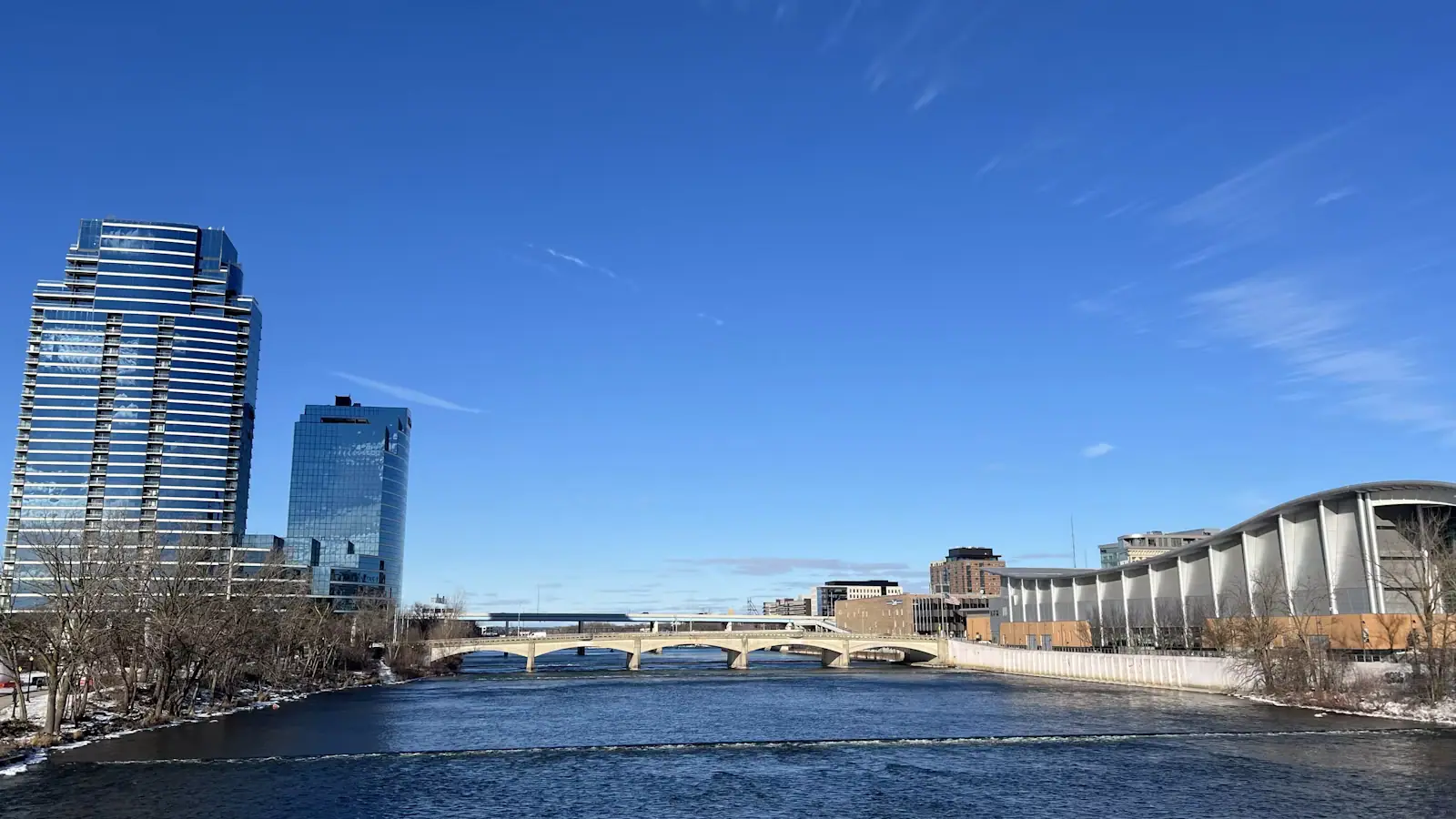
Guide hub
Furniture paid for this city, and then it paid for everything worth coming to see in it. That is the single idea a visitor needs. Grand Rapids made…
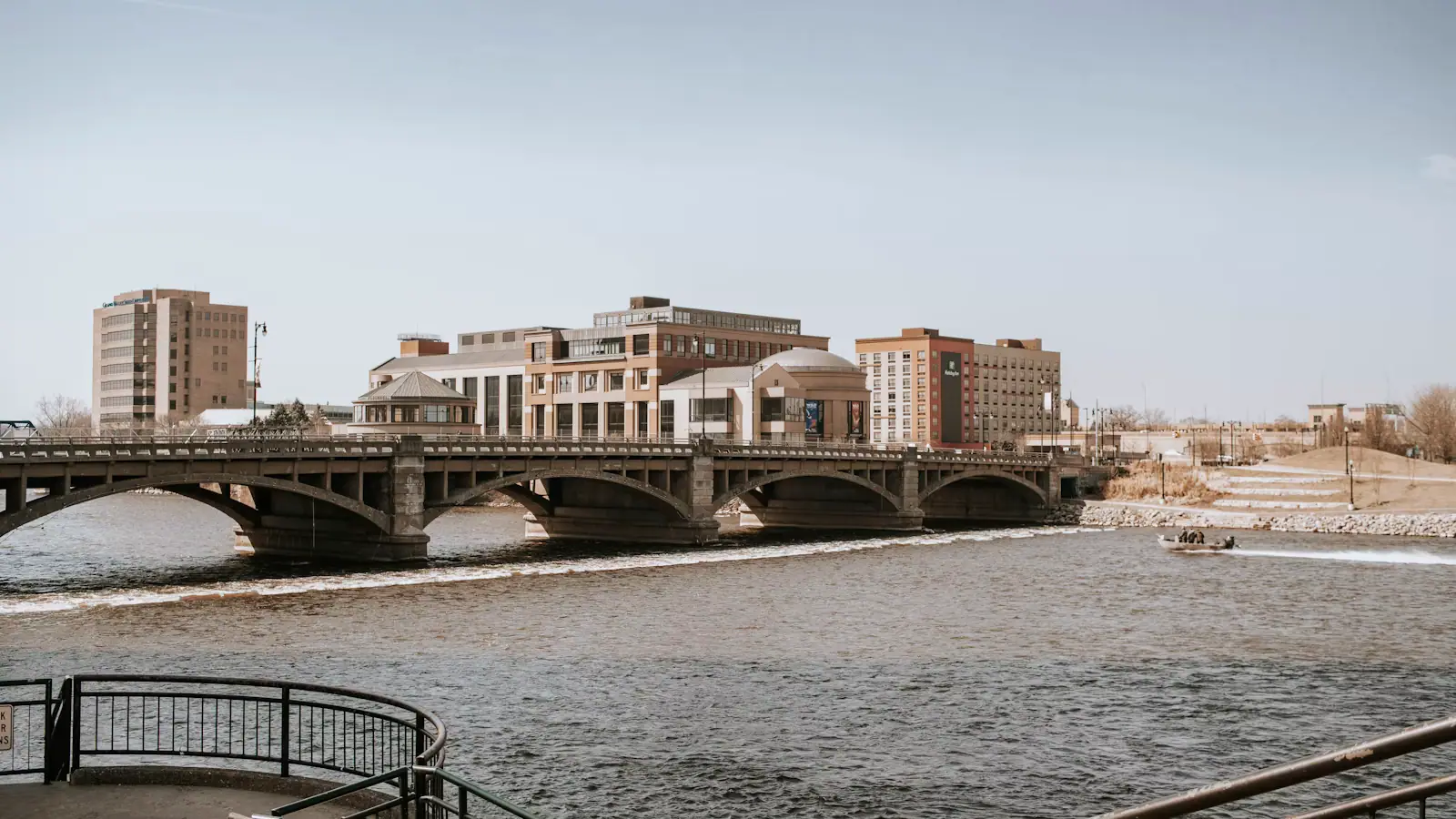
Guide hub
A city of two hundred thousand people should not have this list. Grand Rapids does, and the reason is a hundred and fifty years of manufacturing…
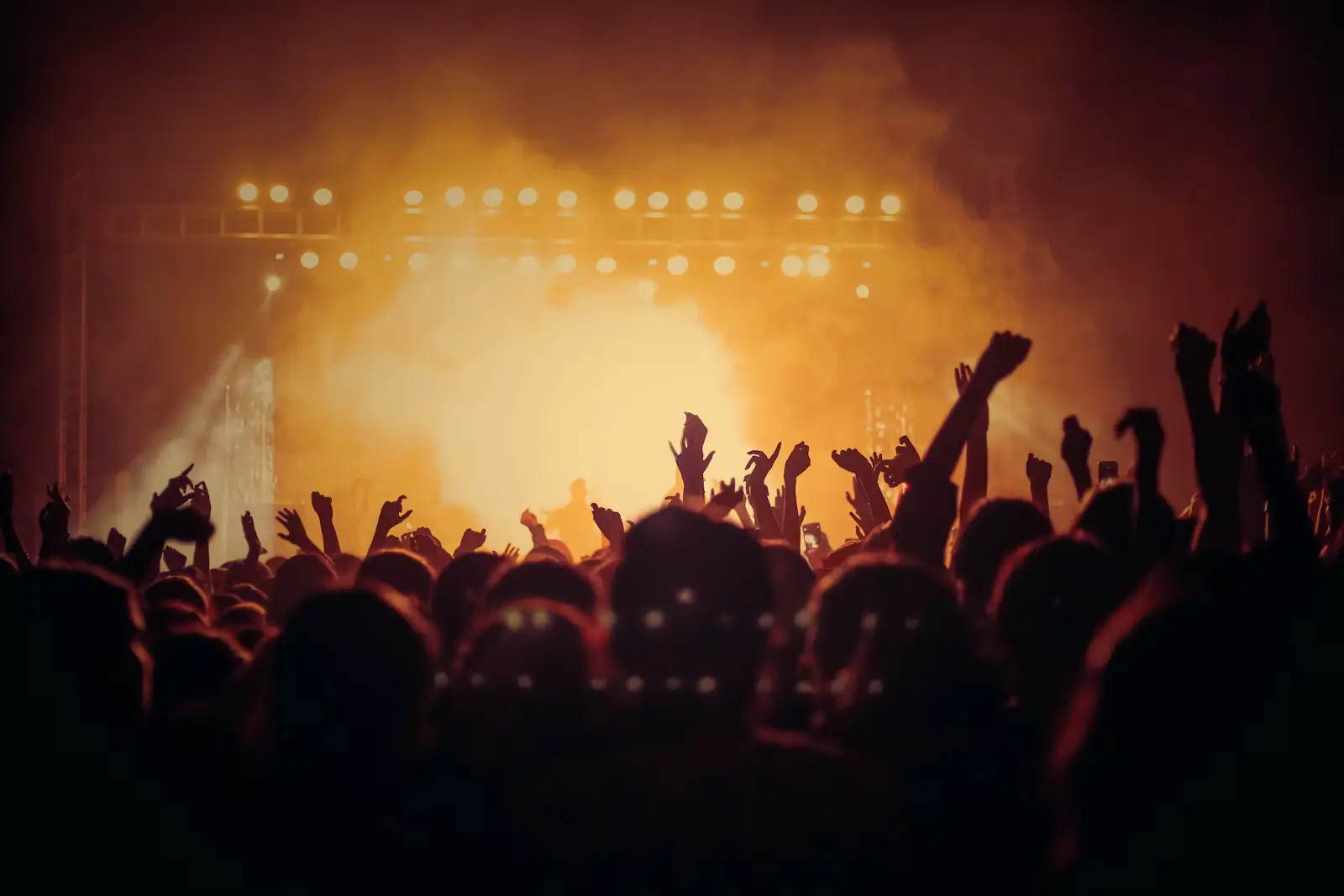
Things to do
Count the rooms before you judge the city. Grand Rapids has an arena that seats twelve thousand, a riverfront amphitheatre that seats another twelve…
Who it suits
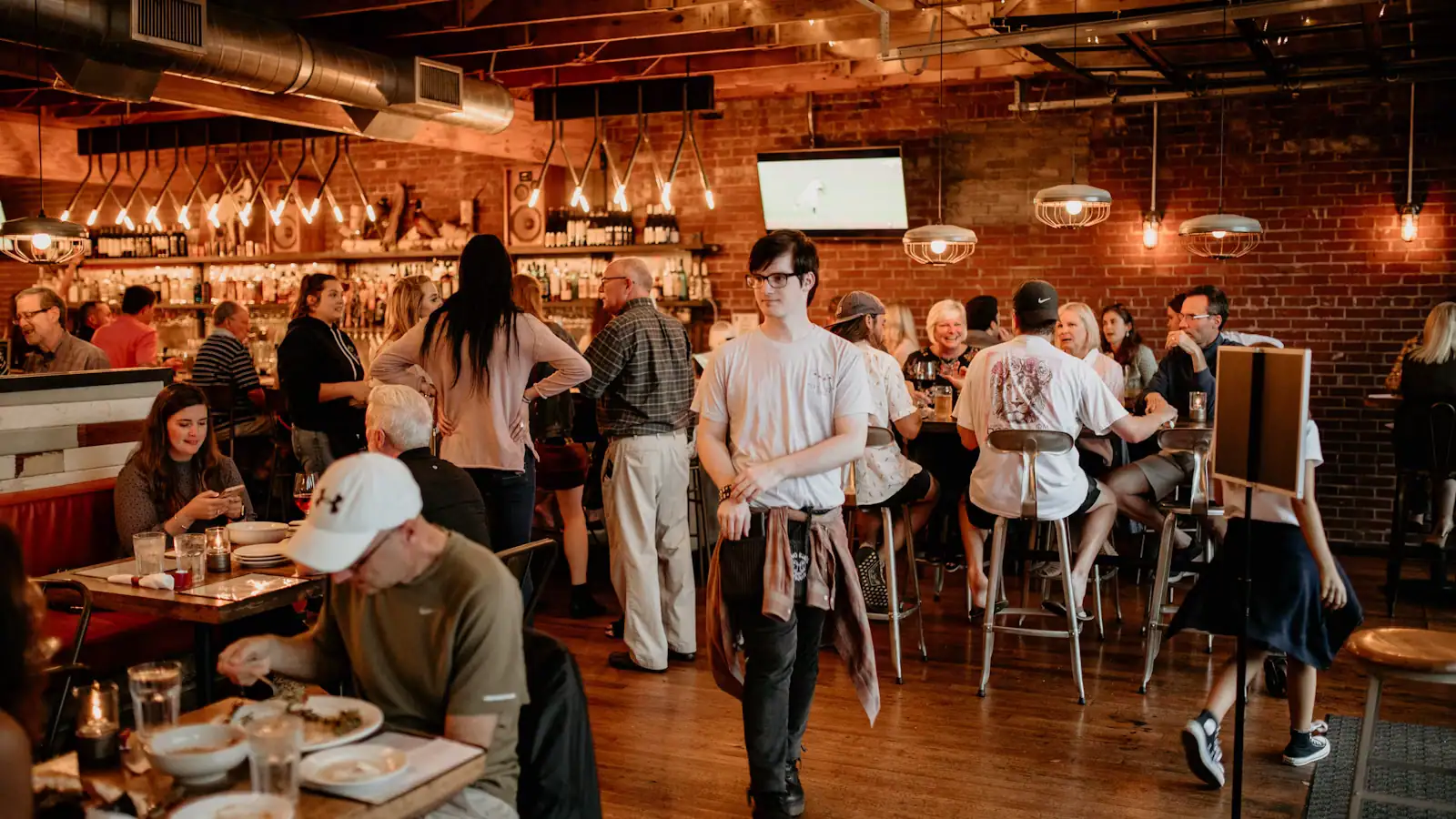
A lot of the adults who come to Grand Rapids did not choose it. They are here for a conference, a client, a hospital appointment on Michigan Street…
By season
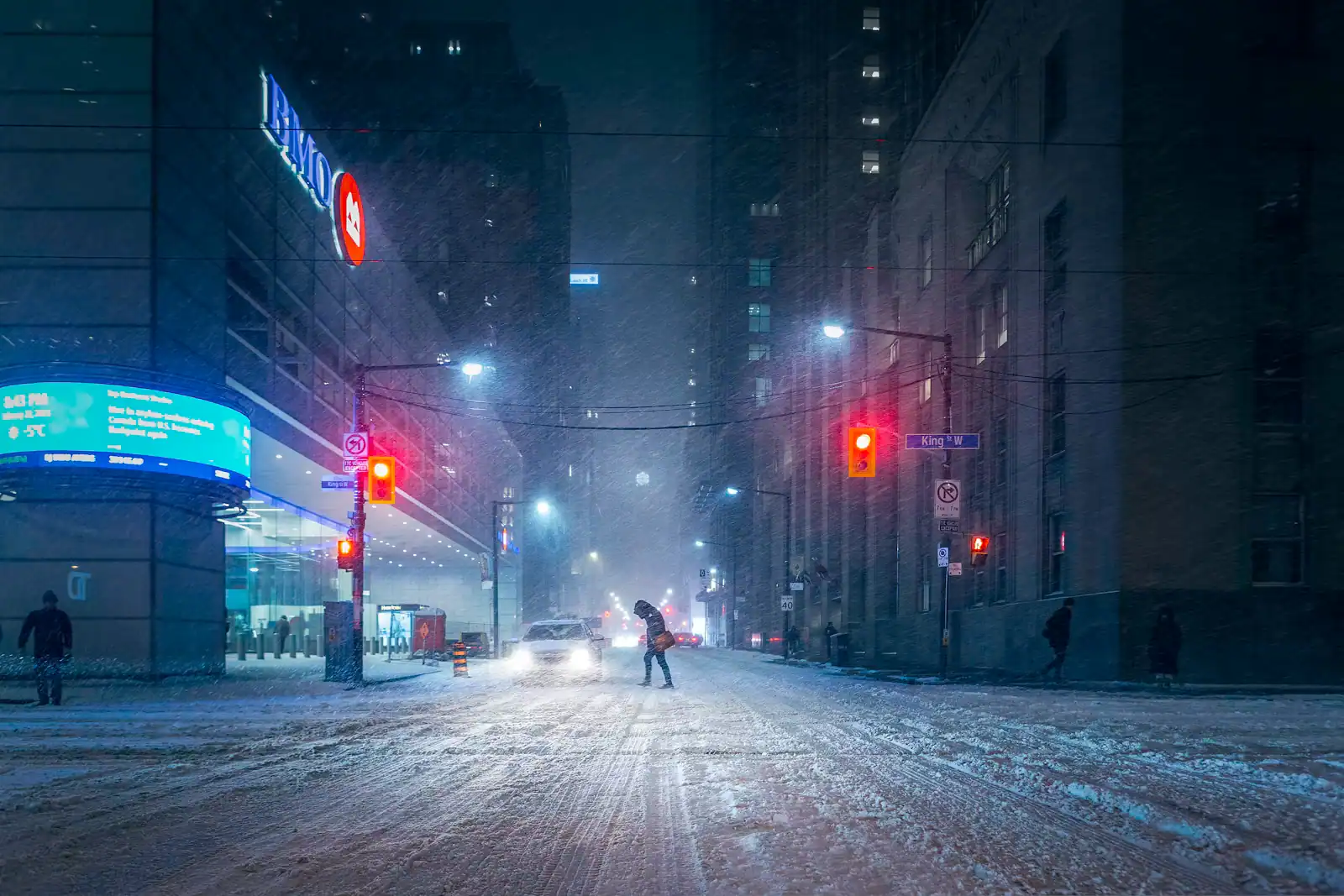
Start with the numbers, because everything else on this page depends on them. Grand Rapids collects somewhere around seventy to seventy-eight inches…
Guide
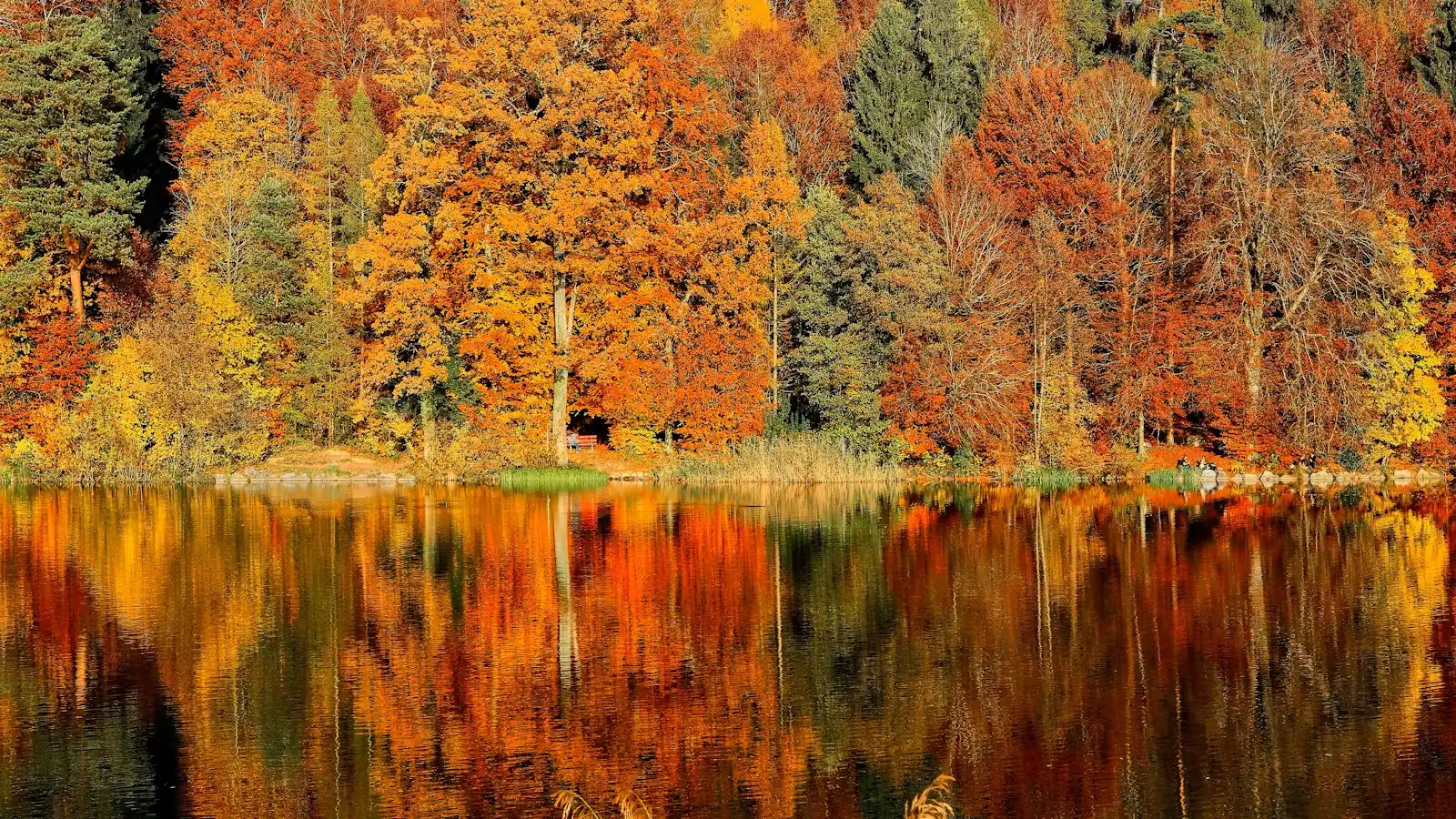
Late September is the best fortnight and the most expensive one. March is the worst month and nobody says so. Here is the year, month by month, without the tourism-board gloss.
5 min readMarguerite Vanderhoff

Guide
Seventy-odd inches of snow, the cloudiest January of any month, and a city that responds by putting a hundred art installations outdoors and flooding a Maya Lin park into an ice rink.
6 min readMarguerite Vanderhoff
It holds 10,834 for hockey, around 11,500 for basketball and up to 13,184 for a centre-stage concert, including 1,800 club seats, 44 suites and a ring of retractable seating. That makes it the fourth-largest arena in Michigan. The practical consequence is good sightlines: a cheap seat in the upper bowl is genuinely close to the ice by the standards of a modern NHL building.
The Grand Rapids Griffins, the Detroit Red Wings' American Hockey League affiliate, have played here since the arena opened in 1996 and are the main winter tenant from October into April. The Grand Rapids Gold of the NBA G League and the Grand Rapids Rise of Major League Volleyball also use the building, and touring concerts fill much of the rest of the calendar.
There is no arena car park. Use the public ramps on Ionia, Weston or Ottawa Avenue, or leave the car in one of the free peripheral lots and take the DASH shuttle into downtown. Event-night rates in the ramps rise and they empty slowly after a sell-out. If you are staying downtown, walking is faster than driving four blocks and queueing to exit a structure.
It opened in October 1996 in a downtown that had been emptying for decades, and drew more than five million people in its first five years. The restaurants, bars, breweries and residential conversions that now fill the centre of the city largely followed it. Residents will tell you the arena restarted downtown, and the sequence of what got built afterwards supports the claim fairly plainly.