
Wildlife
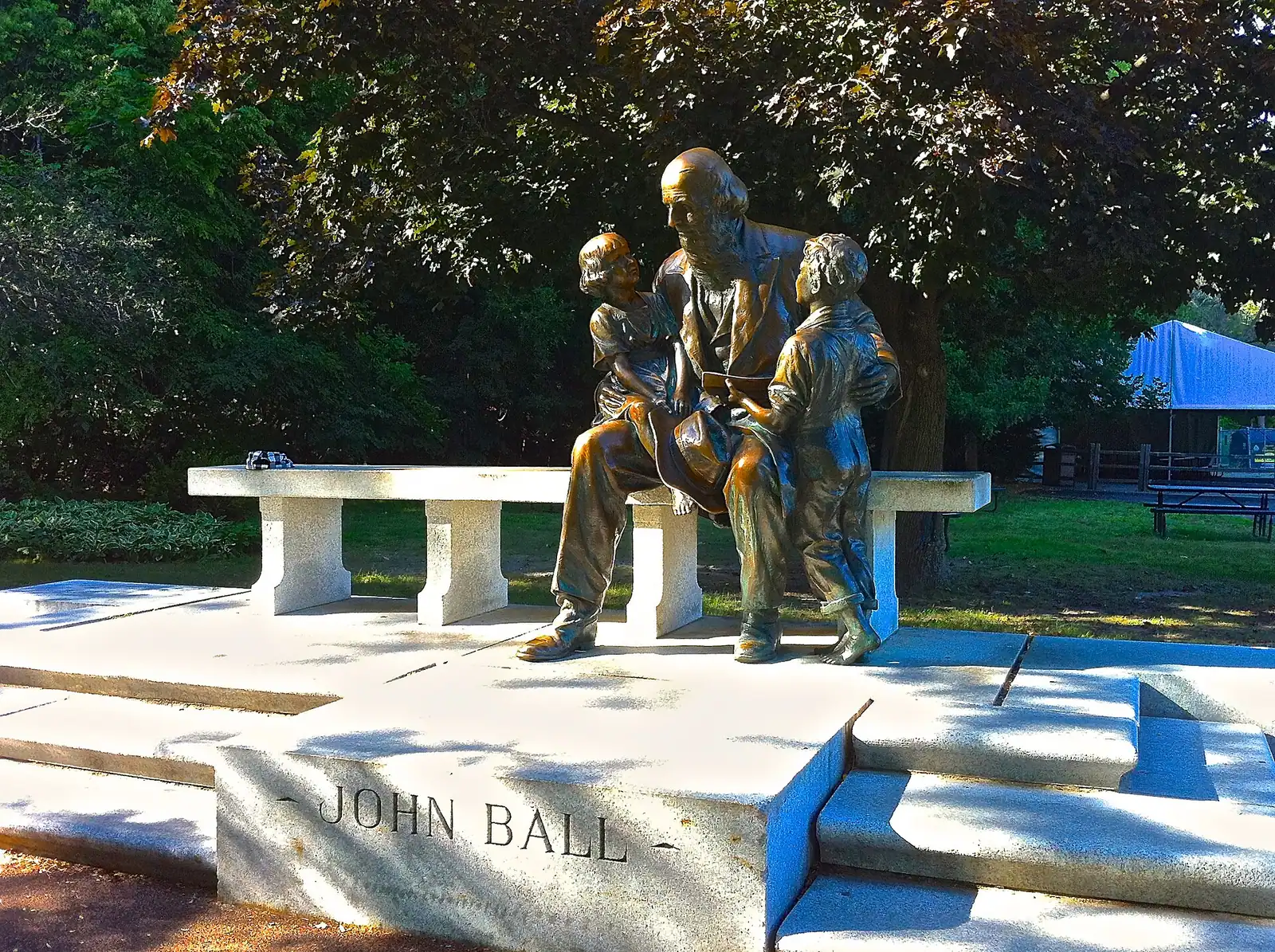
John Ball Zoo
A zoo built into a hillside, where a funicular carries you to the top so the rest of the day is downhill.
2.5–4 hoursAround $22–27 per adult in season; lower for seniors and children, under-threes free1.9 mi away
Nature preserve
Last updated
Two hundred and sixty-four acres of woodland inside the city limits, with a sugarhouse that boils sap from late February.
Mary Jane Dockeray persuaded the Blandford family to give their land to the city, and in 1968 the visitor centre opened with the Grand Rapids Public Museum association behind it. She stayed on as curator. Blandford remained an arm of the museum until 2003, when it became independent, and it has spent the years since expanding rather than settling: the property now runs to 264 acres on the northwest edge of the city, including the former Highlands golf course, 121 acres of fairway being deliberately turned back into meadow and young woodland.
What that gives a visitor is roughly eight miles of trail within the city limits, through beech-maple forest, wetland, restored prairie and the slow-motion rewilding of the Highlands. Ponds, a stream, boardwalk sections. It is not wilderness and does not pretend to be, but it is genuinely quiet on a weekday morning and the birding is better than the acreage suggests.
The buildings matter more here than at most nature centres. A historic general store has been converted into the Learning Lab. Heritage Village keeps a cluster of relocated nineteenth-century structures that open with interpreters during the big festivals. There is a working farm of a couple of acres, and a set of ambassador animals — raptors, owls, reptiles, farm animals — that are permanent residents rather than a petting zoo.
The late-winter draw is the sugarbush. The sugarhouse boils from late February into late March, and the Sugarbush Festival is the one weekend of the year when the whole property is busy. Maple in West Michigan needs freezing nights and thawing days, which is exactly what March here delivers.
Trails are open dawn to dusk every day. The visitor centre keeps shorter hours and closes on Sundays.
Blandford is on Hillburn Avenue on the northwest edge of the city, about fifteen minutes from downtown and ten from John Ball Zoo. It is a car trip; transit does not serve it usefully.
There are two car parks. The visitor centre lot on Hillburn is the obvious one and has the accessible spaces. The Highlands lot on the other side of the property is the better starting point if you want the restored meadows first, and the paved mile connects the two.
Coming from the north on US-131 or the east on I-96, allow twenty minutes and expect the last few streets to be residential. Signs are modest; the turning is easy to miss on a first visit.
Around eight miles of path across 264 acres, most of it soft-surfaced woodland trail with boardwalk over the wet sections.
The older half is beech-maple forest with a stream through it, the kind of second-growth Michigan woodland that looks unremarkable in July and extraordinary for about ten days in mid-October. Ponds hold frogs loud enough to hear from the car park in May.
The newer half is the interesting one. The Highlands was a golf course until Blandford acquired it, and 121 acres of mown fairway are being converted back to meadow, prairie and young woodland. You can read the transformation as you walk: the shape of the holes is still legible under the grasses, tees and greens visible as flat platforms where the seed mix has not fully taken. It is an unusually clear demonstration of what restoration actually looks like in year ten rather than year fifty, and it is worth walking for that alone.
Snowshoeing and cross-country skiing happen here through the winter, when the trail network stays open and the crowds do not exist. Bring traction: the woodland paths ice up under the leaf litter.
Dogs are restricted on much of the property to protect the wildlife programmes, so check the current rules rather than assuming.
Maple sap runs when nights drop below freezing and days climb above it, which is the defining rhythm of a West Michigan March. Blandford taps its sugar maples and boils in an on-site sugarhouse from around late February to late March.
The Sugarbush Festival is the busiest day of Blandford's year. Interpreters open the Heritage Village buildings, the evaporator runs, and there is usually pancake-and-syrup business attached. It is the best introduction to the season the city has, and it is unambiguously a family event rather than a quiet one.
If you want the sugarbush without the crowd, come on an ordinary weekday in the first half of March. The sugarhouse is often working, the woods smell of woodsmoke and steam, and you can stand and watch without queueing.
Exact festival dates move with the weather and are announced each year, usually a few weeks out. A warm February can shorten the whole season, and a cold snap can push it into April. Check before you drive out.
Blandford has done more on physical access than almost any outdoor site in West Michigan, and it is not well enough known.
The soft woodland trails away from the paved path are uneven, rooty and in places steep. Honest about that: not every mile here is open to every visitor, but more of it is than you would expect.
Straight-line distances, so allow more on the road — the island is long and has one main parkway.
Wildlife
A zoo built into a hillside, where a funicular carries you to the top so the rest of the day is downhill.
2.5–4 hoursAround $22–27 per adult in season; lower for seniors and children, under-threes free1.9 mi away
Park
Fifteen hundred acres of former gypsum mine and gravel pit, now West Michigan's largest urban park, with a swimming beach in the middle.
1.5–5 hoursPark free; the beach and splash pad area carries a daily charge3.5 mi away
Trail
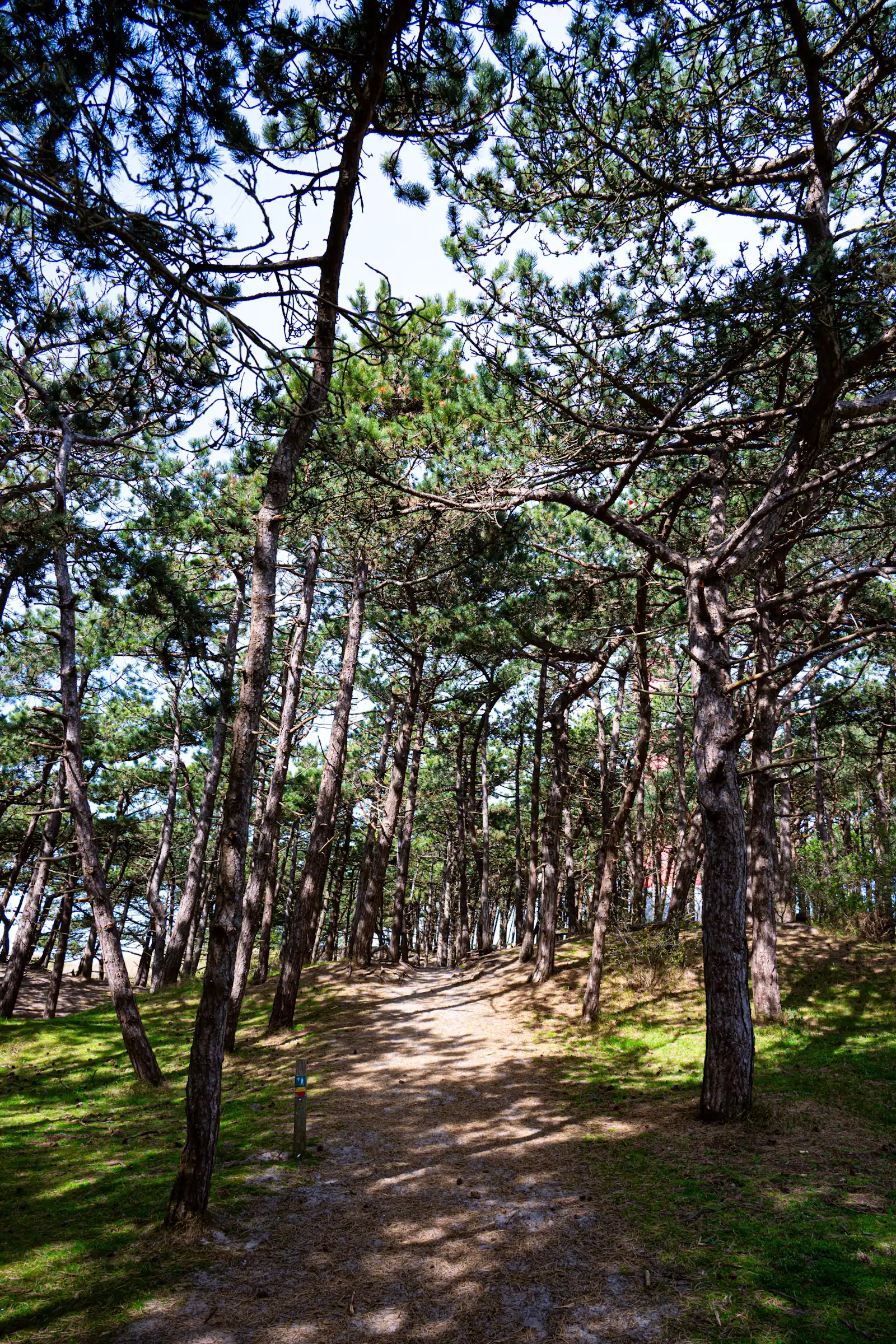
Forty-six acres of pine and glacial sand where the city goes to ski when the lake-effect snow arrives, ten minutes from the East Beltline.
1–2 hoursNo admission charge for the park or the trails.6.6 mi away
Park
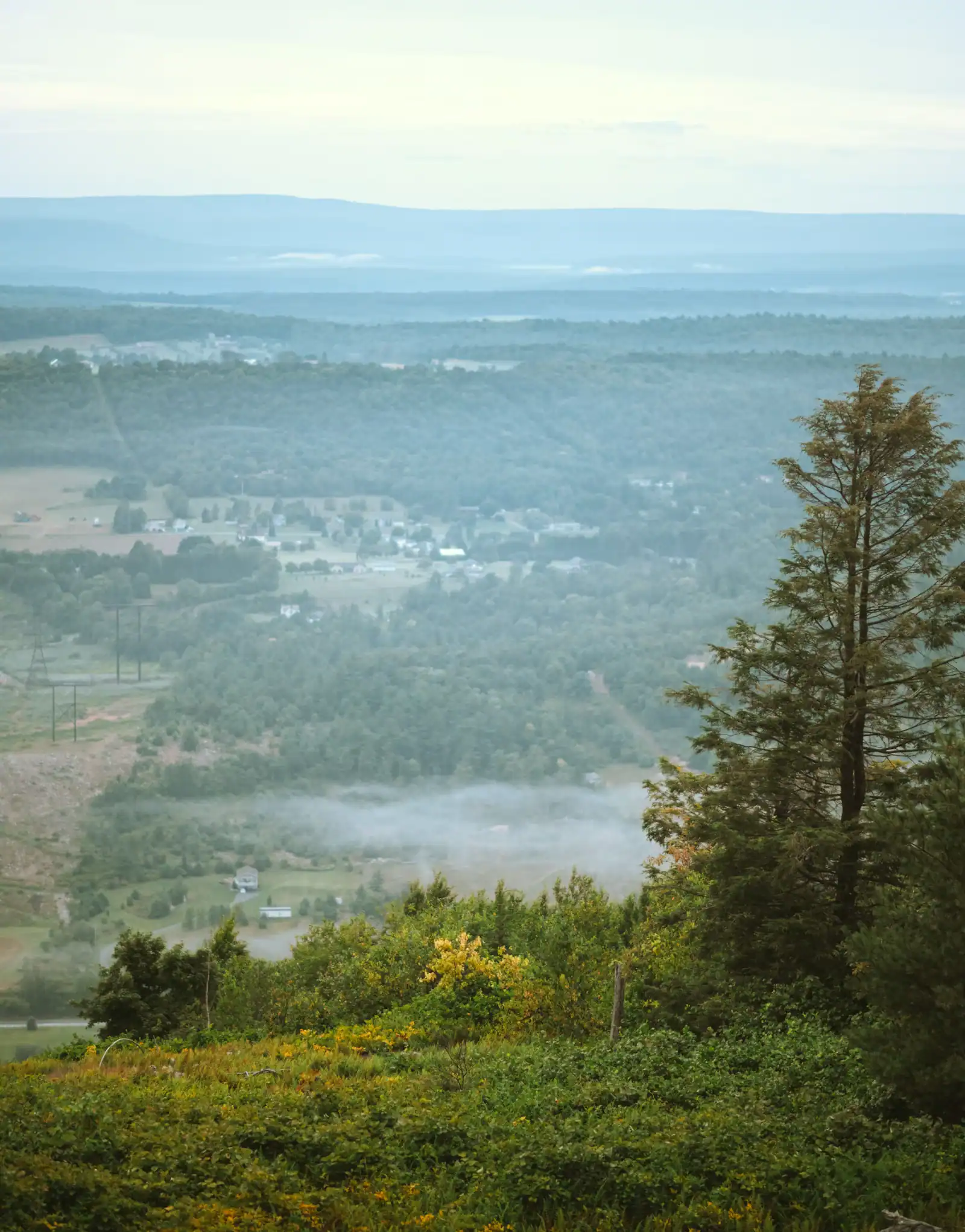
A hundred acres of riverbank ten minutes north of downtown: free disc golf, a kayak launch and a paved route to the White Pine Trail.
1–3 hoursFree, including the eighteen-hole disc golf course and the boat launch.2.8 mi away
Where this place fits into a day, and the pages that plan one.
Guide hub
Furniture paid for this city, and then it paid for everything worth coming to see in it. That is the single idea a visitor needs. Grand Rapids made…
Who it suits
Grand Rapids is better with children than its reputation suggests, and the reason is the same reason it is better with adults: a century of local…

Budget
The free list in Grand Rapids is not the list you fall back on when the museum tickets are too expensive. In this particular city it contains three…
Things to do
Almost nothing green in Grand Rapids is original. The largest park in the city is fifteen hundred acres of former gypsum workings and gravel pits…

By season
Start with the numbers, because everything else on this page depends on them. Grand Rapids collects somewhere around seventy to seventy-eight inches…

Guide
The zoo shuts for the winter, the carousel does not, and the best hour of a family day here costs three dollars and runs on a platform out over the river.
5 min readMarguerite Vanderhoff

Guide
A grocery fortune bought 158 acres, a five-storey glasshouse and a 24-foot bronze horse built from Leonardo's unfinished commission. The calendar decides whether you enjoy it.
5 min readIlse Hoekstra
Admission is small, in the region of $5 per person, with members and the youngest children entering free. The organisation also runs free-admission promotions in some months. Festival days such as the Sugarbush Festival may be ticketed separately. The trails themselves are open dawn to dusk every day. Verify current pricing before you visit, since the rate has moved in recent years.
The sugarhouse typically boils from late February into late March, when West Michigan nights freeze and days thaw, which is what makes the sap run. The Sugarbush Festival falls inside that window and is the busiest day of Blandford's year, with the Heritage Village buildings opened by interpreters. A warm February can shorten the season and a cold spring can extend it, so check the current dates.
Yes. A paved asphalt path about a mile long and ten feet wide links the Highlands car park to the visitor centre, and it works for wheelchairs, walkers and strollers. Blandford also lends equipment free on a first-come basis, including an adult wheelchair, an electric scooter, walkers and an all-terrain children's wheelchair that can handle the soft woodland trails. The unpaved trails themselves are rooty and uneven.
A former golf course of about 121 acres that Blandford acquired and is converting back to meadow, prairie and young woodland. It brought the property to 264 acres total. You can still read the old fairways in the shape of the land as you walk, which makes it an unusually legible example of ecological restoration in progress rather than a finished landscape. It has its own car park and trail access.