For roughly two and a half weeks each autumn, Grand Rapids hands its downtown over to an art competition that anybody can enter. Not a biennale with a curator and a shortlist. An open call: an artist registers, a venue agrees to host them, and the work goes up in a museum, a hotel lobby, a church nave, a bar, a bank atrium or the middle of a pavement. Then the public votes.
In 2026 it runs from 18 September to 3 October, with a preview week from the 12th when a large share of the entries are already installed and the crowds are not. The dates move each year and the format has changed more than once — the event ran from 2009, was replaced by a different programme in 2019, paused, and came back in 2022 under a new organisation — so check the current year's dates and structure rather than assuming last year's still apply.
What makes it different from a normal art festival
Three things, and they all follow from the open entry.
There is no gatekeeper at the door. A first-year student and a mid-career sculptor with international representation are in the same competition, sometimes in the same room. The standard is therefore wildly uneven by design, and anybody who tells you otherwise is selling something. Half the pleasure is the swing between the two.
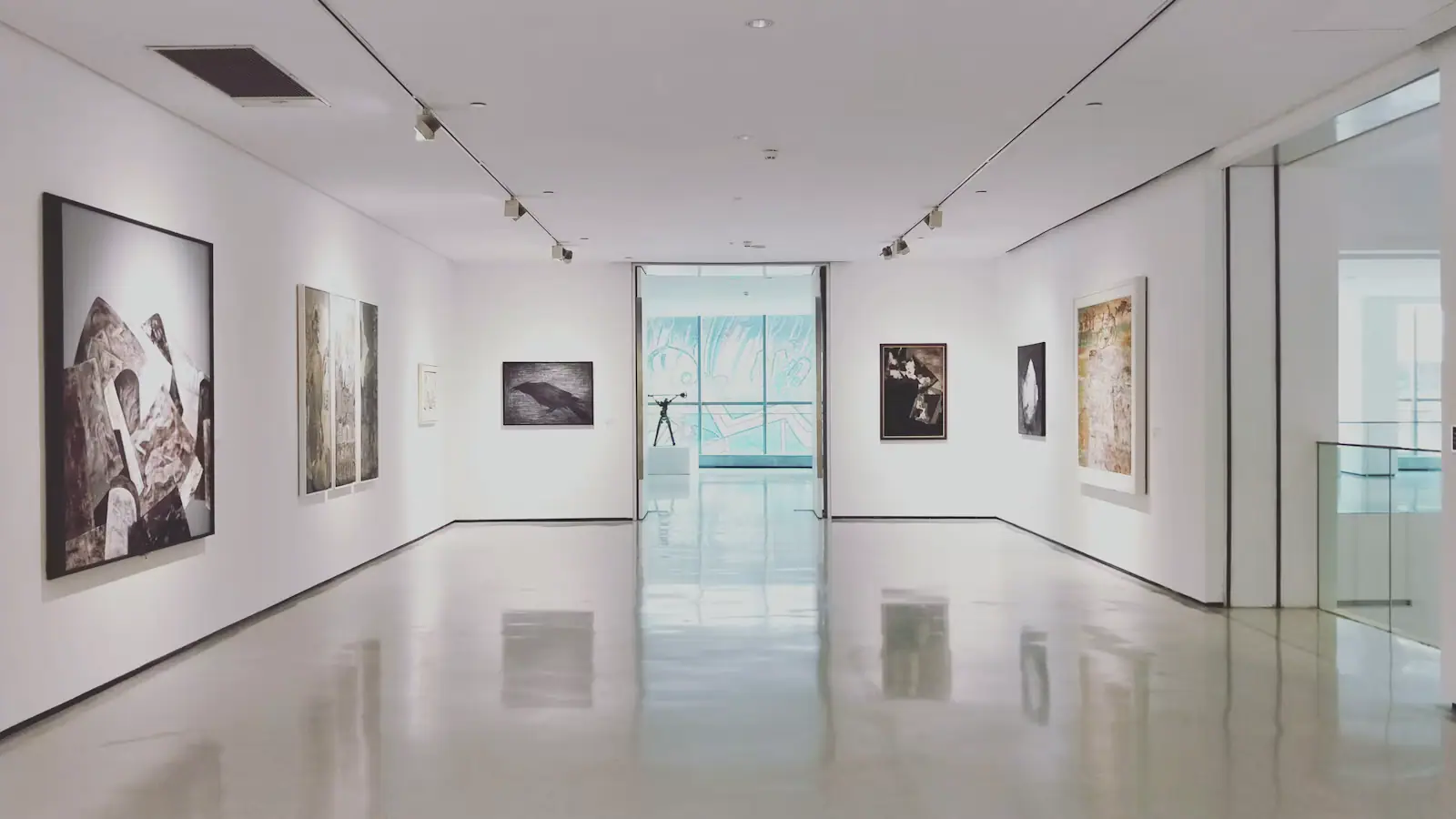
The venues are not galleries. The work is placed in the buildings people already use. You will find a monumental piece in a hotel lobby, three paintings in a coffee shop, and an installation in a church. This is what makes the city feel transformed for the run rather than merely hosting something.
The public votes, and the money is real. The organisers put the pool at over half a million dollars in grants and awards, with a hundred thousand dollars attached to the public vote grand prize and ten thousand to each of six category winners, alongside a juried structure that frequently disagrees with the crowd. That disagreement is the oldest argument in Grand Rapids and locals will happily have it with you.
How voting works
You need to be thirteen or over. Every entry has a five-digit code and a QR code beside it; scan or type it to vote. The catch is geographic: your first vote has to be cast inside the ArtPrize boundary downtown. After that you can vote from anywhere, including from your hotel room that evening once you have thought about it.
Practical advice: do not vote as you walk. Note the codes of the four or five pieces that stayed with you and vote at the end of the day. The work that impresses at nine in the morning rarely survives comparison with what you see at three.
A realistic plan
| If you have | Do this | Skip |
|---|---|---|
| Two hours | One district on foot, ideally the museum blocks | Trying to cross the river |
| Half a day | Two adjacent districts, lunch in between | Anything requiring a car |
| A full day | Three districts, a break at midday, vote in the evening | The urge to see everything |
| The whole run | A weekday morning, then a second visit late in the run | Saturday afternoon, always |
The single most useful decision is to stop trying to see all of it. There are hundreds of entries across a large downtown footprint. Nobody sees them all, including the people who live here and go every day after work.
Which districts, and why
The museum blocks around the art museum and Rosa Parks Circle carry the heaviest concentration of large-scale and well-installed work, and they are where the crowds are thickest. Start there early or finish there late, not in the middle of a Saturday.
The Monroe North warehouse district, north along Monroe Avenue, is where the interesting risks tend to be — bigger rooms, rougher buildings, more installation work. It is also where you will find somewhere to sit down.
The Heartside blocks south of Fulton Street mix small venues with street-level work and are the most walkable for a short visit, because the venues sit close together on the same few streets.
And the riverfront ties them together, with the caveat below.
Three things that catch visitors out
Venue hours are not festival hours. A bar venue is not open at ten in the morning. A church venue may be open only at particular times. The official map lists hours per venue and it is worth ten minutes before you set off.
The riverfront is under construction. The long-delayed restoration of the rapids broke ground in June 2026 on the stretch between Fulton Street and Bridge Street, and is expected to take about two years. Sections of riverwalk close and reopen. Some of the usual outdoor sightlines are not available, and the pedestrian routing across the river changes.
Hotels sell out. Downtown rooms go early and rates rise for the run. If you are coming specifically for ArtPrize, book months ahead, and if you are coming to Grand Rapids for something else entirely, check whether your dates collide before you are surprised at the rate.
Where to go when you have had enough art
The Downtown Market at the south end of Heartside is the easiest reset — indoor, seated, twenty-odd food vendors under one roof. The brewery district in Monroe North is full during the run, pleasantly so, and the taprooms along it are the natural end to a walking day.
If you want something quieter, Heritage Hill is fifteen minutes uphill from the museum blocks and is entirely unaffected by the festival. Around 1,300 historic houses, no crowds, no voting codes.
Is it worth planning a trip around?
If you like contemporary art with the edges left on, yes. If you want a curated, consistent, museum-standard experience, the city's permanent institutions will serve you better on a quieter weekend, and the art museum alone justifies a visit in February. ArtPrize is a civic event first and an art exhibition second. That is its strength and its limitation in the same sentence.
Last updated
Opening hours, ordinances and prices move with the season. We re-check this guide rather than rewrite it, and the date above is the last time someone did. How we research and correct.